No products in the cart.
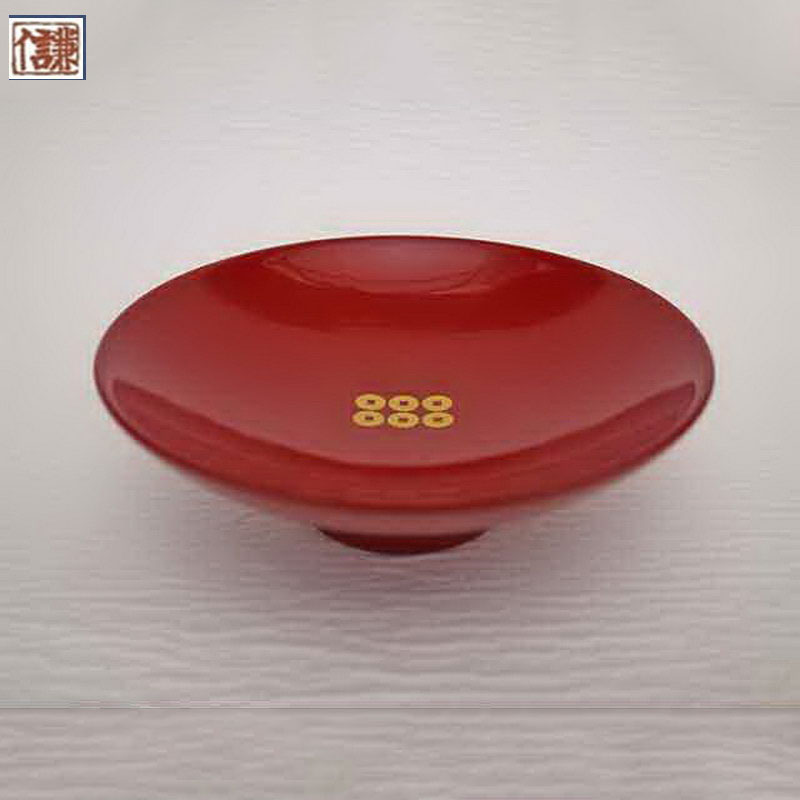
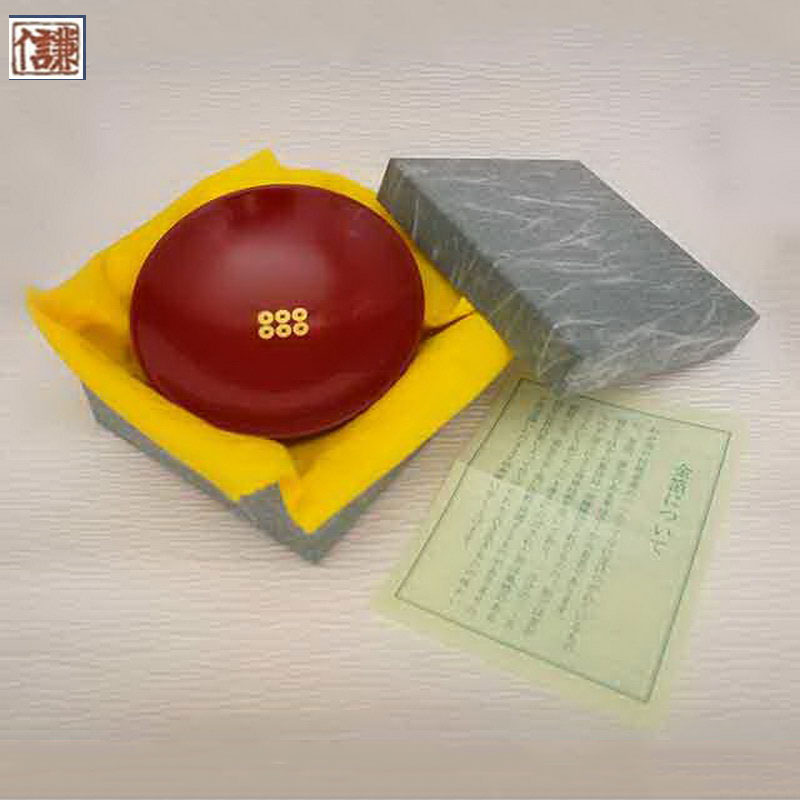
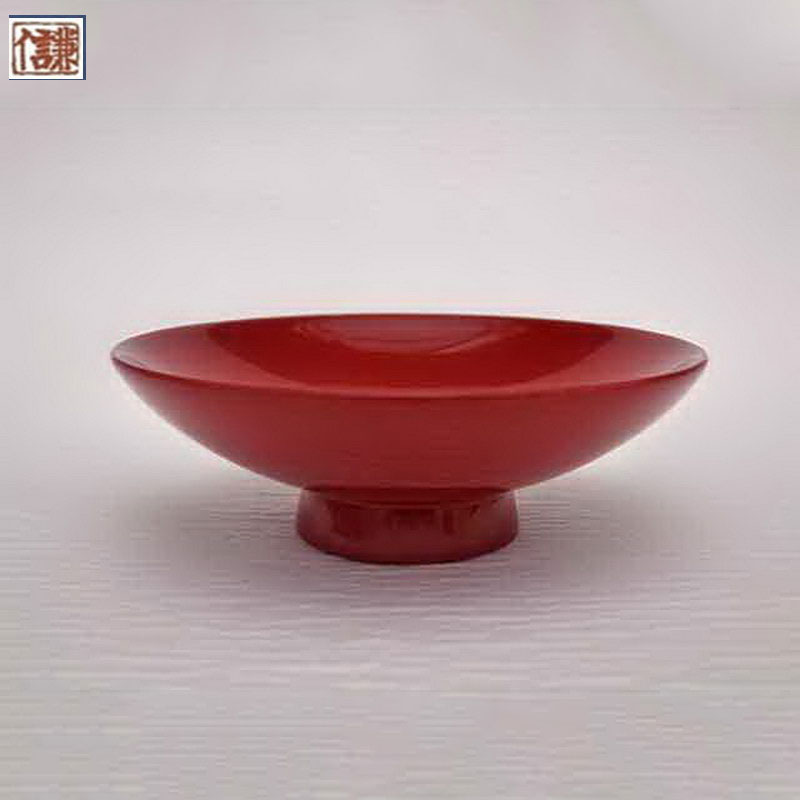
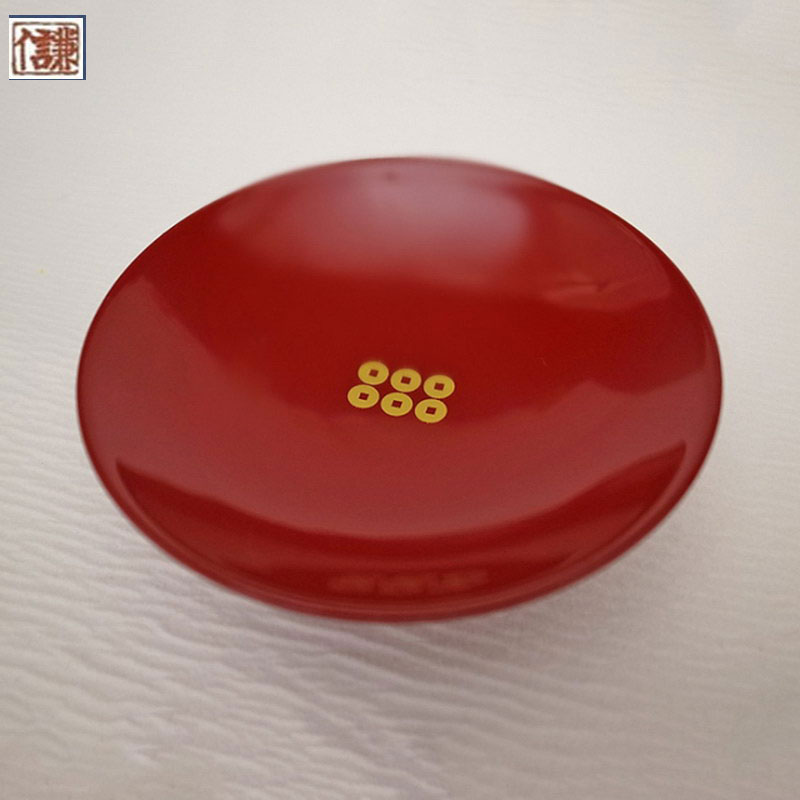
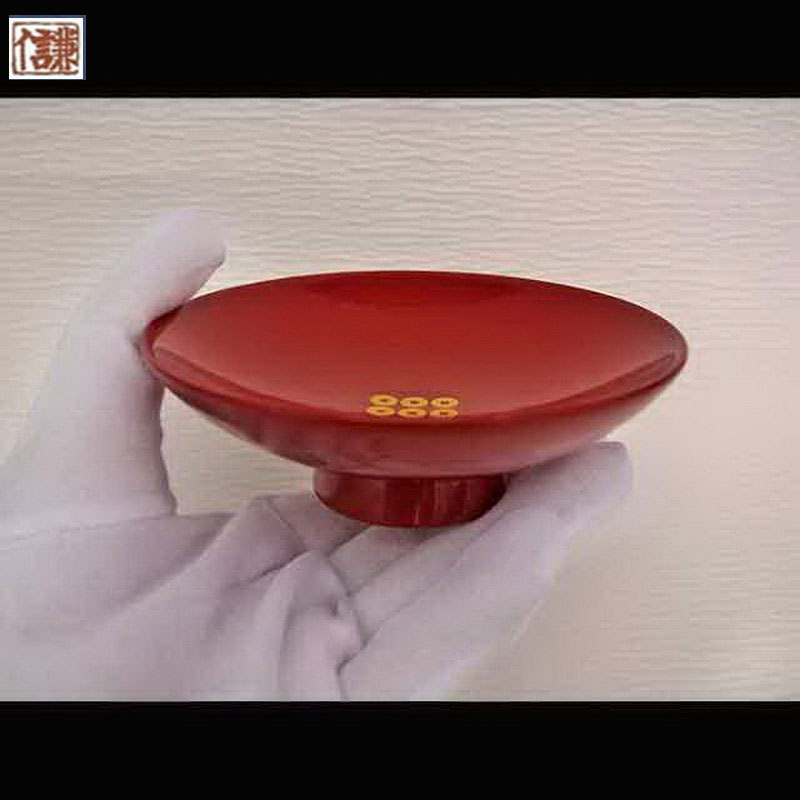
Japanese Handmade Sake Cup with Sanada Roku Mon Sen & Gold Leaf
$150
This lacquer ware from Kensin is a popular handmade item for sake-drinking enjoyment. It is not only a Japanese hand-crafted sake cup, but it also features the Roku Mon Sen of Sanada Yukimura.
What adds to its beauty is the use of gold leaf which adds to the aesthetics of the product. With its shape and excellent production, drinking sake will be truly enjoyable. And the inclusion of gold plated parts will prevent it from fading, allowing it to last for years.

Japanese Handmade Lacquer Ware Sake Cup (Insertion of Sanada Rokumonsen- with gold leaf)
Size: 110 mm in diameter, about 38mm in height
Net Weight: about 45 gms
Materials: Base : Natural Wood + Attached box with yellowish cloth
Copyright credit ©Kensin
Wajima Lacquerware
Wajima lacquer ware are products characterized by the distinct manufacturing processes used. This is most specific to the undercoat glaze. Other great techniques are those that use Zinoko – the Nuno Kise and the Chienbiki.
The Nuno Kise is a cloth sticking method where applied linen is used on the outer part of the wooden base. It can also be of use on other vulnerable portions.
Another method is the Chienbiki base protection. Here, a cypress bark spatula is necessary for glazing lacquer. This is set on the upper edges exposed to chipping. With the materials and delicate methods, these items are very much durable.
All the products created are generally top-notch lacquerware. For the wooden base material, every Wajima lacquerware makes use of cypress. Aside from this, there is also zelkova, and magnolia as well.
Their products are all designed nicely, where embedded gold sheets are set on them. After, these are painted with lacquer. Materials like silver & gold metal power are also used. Then, they will be lacquer-painted after.
The Wajima products display different layers of high-quality lacquer. These are painted on natural wood, providing the right hue and texture to the lacquerware.
Product Information
The surface has a lacquer paint coating while the inner part of the Roku Mon Sen has golden decors in gold leaf. Its base is made from natural wood and comes with a box and yellowish cloth. It measures 110 x 38 millimeters (D x H), and weighs a total of 45 grams.
Rokumonsen: The Kamon of the Sanada Clan
Kamon means crest which is something used in Japan to determine the origin of a person. It concerns his family lineage, ancestry, bloodline, and status from the ancient times. Kamon is also sometimes called Mondokoro or Mon.
It’s said that there are over 20,000 Kamon found in Japan. These are family crests that also functions like the European heraldic family crests. Though similar, these still have differences in many ways.
The Kamon is unique in culture and tradition which is something you can only find in the country.
For the Sanada family’s crest, it has a design called the Roku Mon Sen or 6 coins. It’s a name derived from the teachings of Buddhism which is Rikudo. This means 6 underworlds where people have to go after their deaths.
When someone dies, the bereaved should place a Roku Mon Sen in the casket. It’s said that these are necessary to cross Death’s river. The Sanada clan took this concept and used this for their Kamon. It also reflected as a message that they did not fear death, and were ready to die in battle.
The crest and banner with Roku Mon Sen, combined with the signature color of the Sanada – blazing scarlet – terrified a lot of enemies on the battlefield.
Related products
Accessories
$33
Accessories
$33
Accessories
$33
Accessories
$33
Accessories
$33
Accessories
$33
$33
Accessories
$33