No products in the cart.

Japan History, Japanese Weapons
The Deadliest Samurai Battles in Japan
13
Jan
Jan
Deadliest Samurai Battles
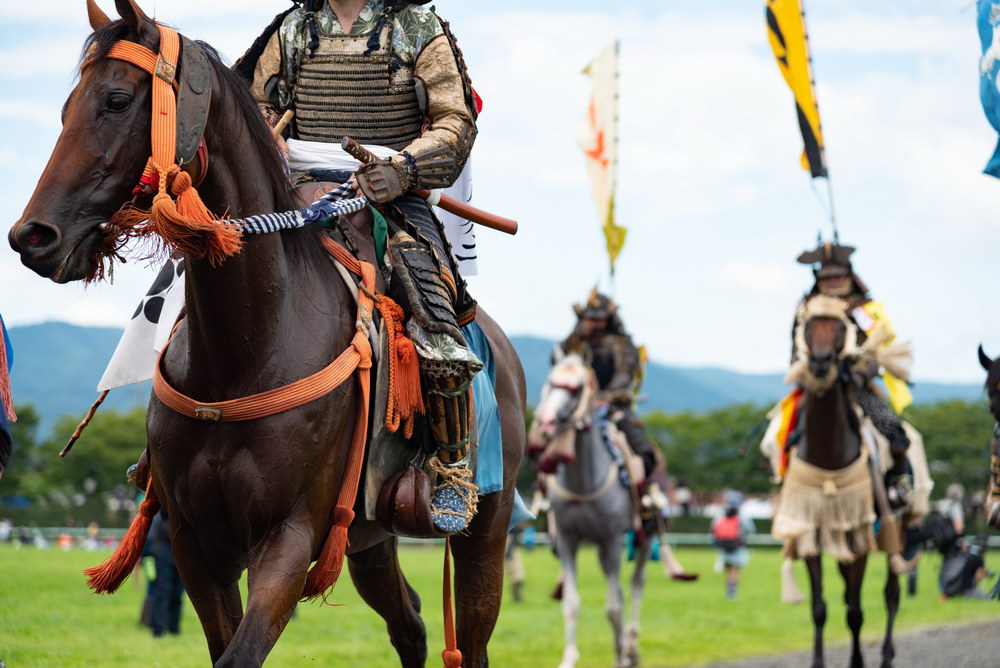
In history, the Samurai engaged in many deadly Samurai battles that shaped the country. This led them to become the most prominent figures of the time. It’s clear that the honor, service, and duty of a Samurai is still part of Japanese society. They were people who helped lay the foundation of the country’s rich culture.
The Samurai were members of Feudal Japan’s powerful military caste. They began as provincial warriors then rose to power around the 12th century. It was also the time when the country’s first military dictatorship began. It was then called the Shogunate.
A ruling elite, the war was the Samurai warrior’s primary business which molded them into a social class. Their strategies and customs altered the ages, yet their willingness to serve remained. If to serve meant death, it would be a glorious death to them if it were in the heat of a battle.
The Siege of Chihaya
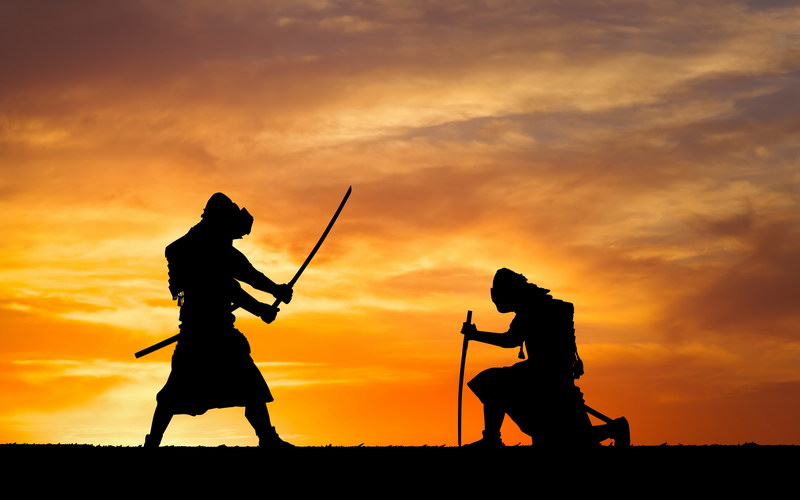
Even after centuries, Samurai battles still commenced. Not only that, but another revolution tried restoring imperial authority in the country. The attempt almost faltered due to a few early defeats. Yet Kusunoki Masashige was able to maintain the revolution.
Kusunoki was a good sample of a Samurai with intense loyalty and skill. In the Siege of Chihaya, rebels surrounded the castle on Mount Kongo. Here, Kusunoki utilized the terrain and expertise in innovation to his advantage. Because of his strategies, he was successful in luring the enemy into night attacks.
The attacks occurred in narrow passes where enemies had boulders dropped on them. There were deadly pit traps ready while felled trees blocked their paths.
Kusunoki thought of many ways to prevent Chihaya from getting captured. Gruesome attacks and dangerous traps were frequent in his strategies. Due to these, Chihaya was never captured. Instead, it annihilated large forces that tried to take it.
The incident became an inspiration for all rebels who fought for the emperor.
Battle of Okehazama – The Most Critical Among Samurai Battles
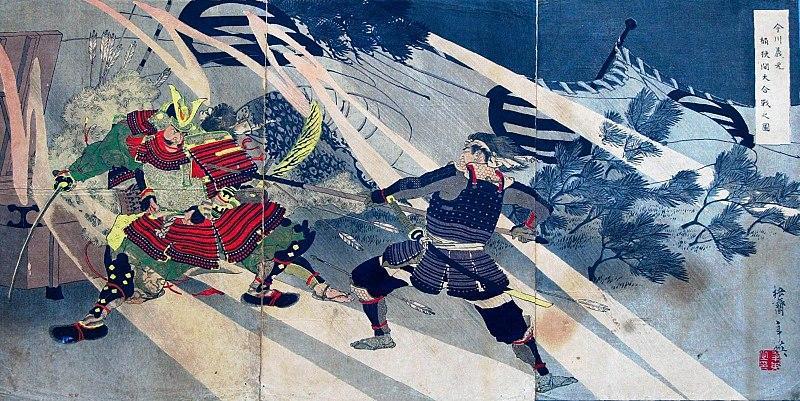
The Battle of Okehazama was one of the deadly yet critical Samurai battles in history. It established Oda Nobunaga as the primary warlord of the Sengoku period.
In the year 1560, Imagawa Yoshimoto led a vast army of 25,000 men to attack Kyoto. When Nobunaga heard of this, he took his own troops and led them to the Zensho-Ji temple. He was greatly outnumbered with only 2,000 to 3,000 troops, and there was no way he could hold out at the temple.
So to get the upper hand, Oda created a faux army with a large number of banners. This led Imagawa to think that Oda had a vast army stationed in that location. There, Oda led his main forces towards the forests to appear at the rear of the Imagawa troops from the North.
The Style and Customs of the Samurai
10 of the Best Samurai Games
The Shichifukujin: The Seven Fortune Gods
A huge thunderstorm soon concealed this move of Oda, and Imagawa’s troops did not expect any attack. So when Oda emerged from the woods, the larger army went in a state of confusion due to the surprise attack. Because of this distraction, Imagawa’s tent was free and vulnerable to attacks. He emerged from the tent to command his men to get back to their posts but found the battle raging before him.
With that, he was immediately killed together with the other two leading officers of the army. And due to no primary leader, the rest of the Imagawa troops chose to join Oda Nobunaga.
The Battle of Anegawa
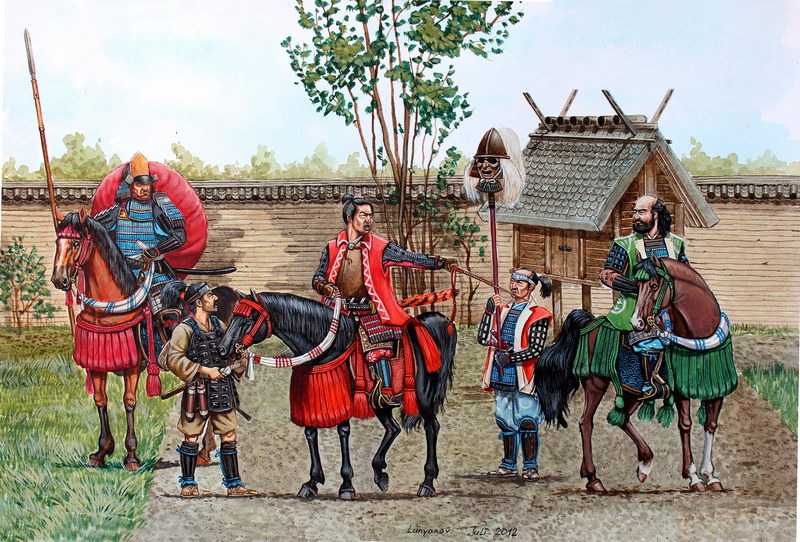
The Battle of Anegawa began on the 9th of August in 1570. It was one of the Japanese wars where Oda Nobunaga and Tokugawa Ieyasu’s army fought together. They battled against the army of Asakura Yoshikage and Azai Nagamasa.
That time, Nagamasa allied with both Oda and Asakura but chose to aid the other group to attack Oda from the rear. The Daimyo was able to retreat then prepared to assault Azai for his betrayal.
So in 1570, Oda and Tokugawa joined forces and put together 28,000 men. It was a group split into two to attack Azai’s Odani castle and the Yokoyama castle of Asakura. Here, Azai and Asakura had their own 18,000 men who met Oda’s forces as they were leaving the castles.
The two armies pushed towards the shallow Ane River, meeting then battling in the waters. Nobunaga’s men attacked Azai upstream, while Tokugawa focused on the Asakura, downstream. When Tokugawa’s second division attacked the left flank, the Asakura knew their loss. This led them to retreat, allowing Tokugawa to attack Azai’s right flank.
The aftermath of this bloody battle had the Asakura and Azai forces defeated.
The Assault in Nagashino
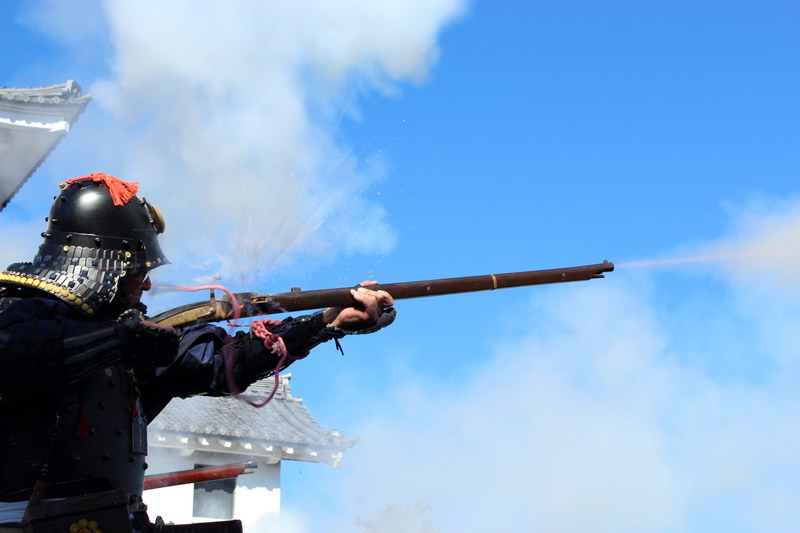
This is one of the Japanese battles cited as a vital moment in warring history. It was because the Battle of Nagashino was the first instance of firing guns in volleys. The battle took place near Nagashino castle in the Mikawa province.
Here, Takeda Katsuyori assaulted the castle when Okudaira Sadamasa reunited with Tokugawa. His other reason for the attack was when his plot of taking Okazaki Castle was soon discovered.
On the 22nd of June, the attack turned into a blockade, with cables and palisades spread across the river. Here, the defenders sent Torii Sunemon for help, and upon reaching Okazaki, he met Oda and Tokugawa who promised help.
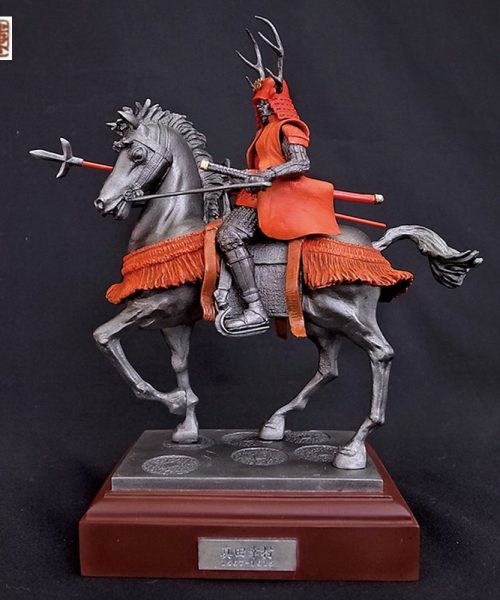
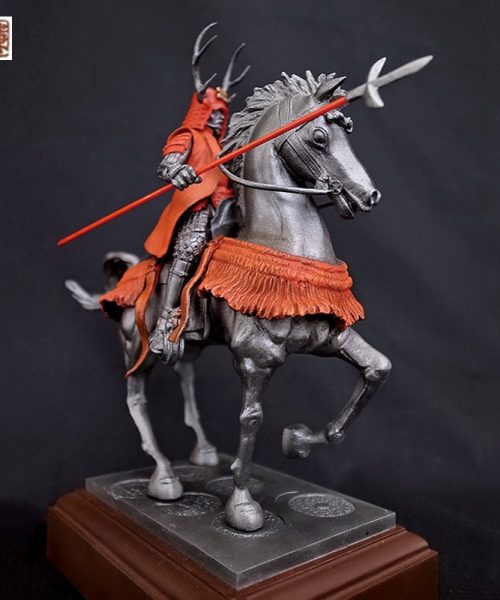
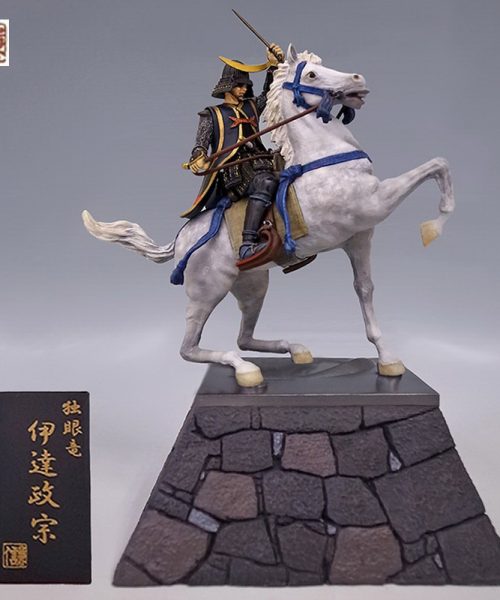
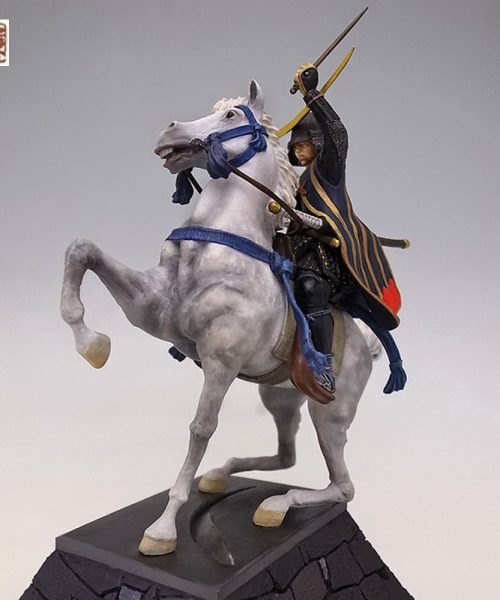
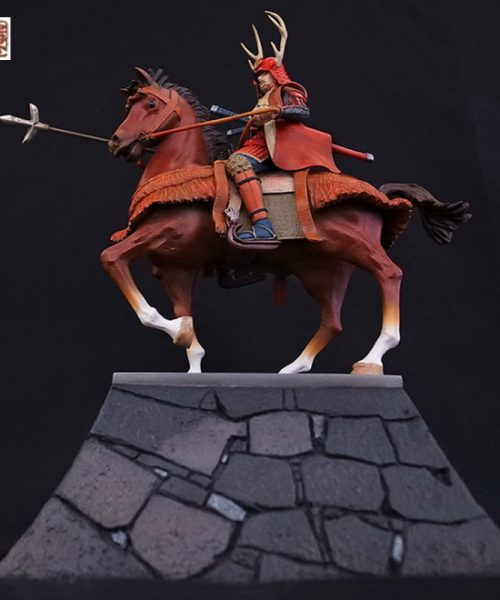
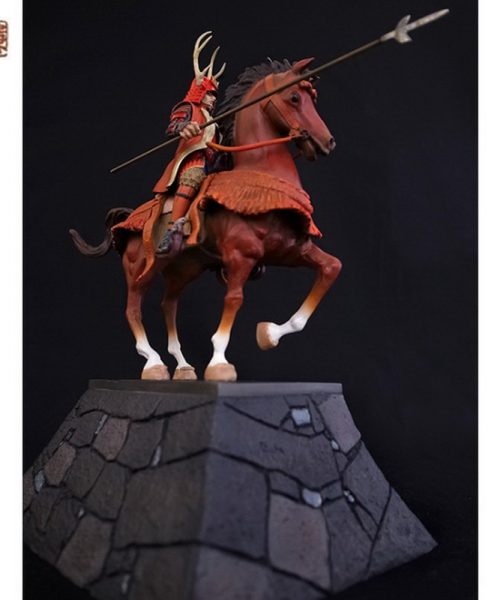
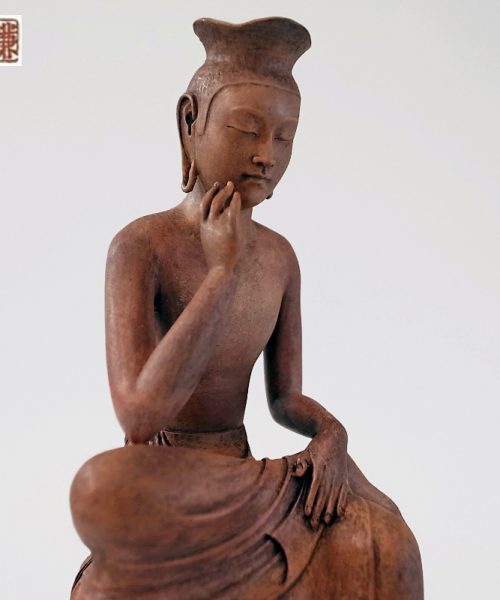
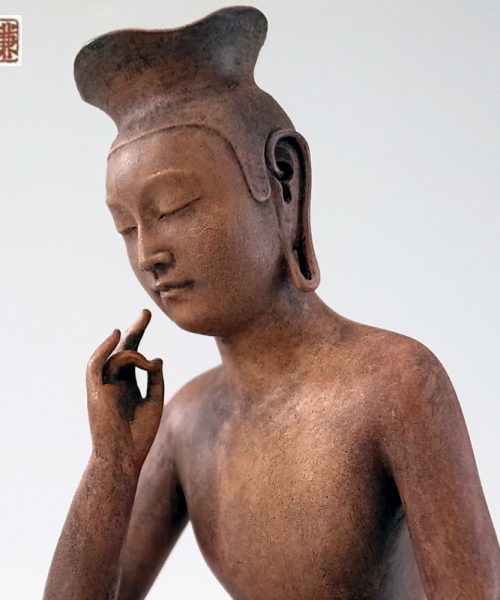
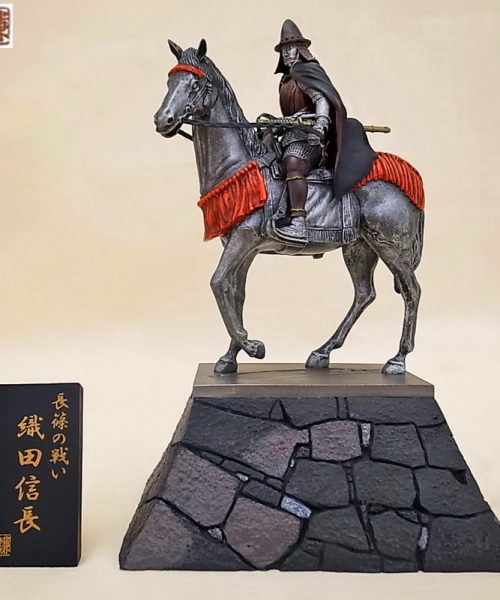
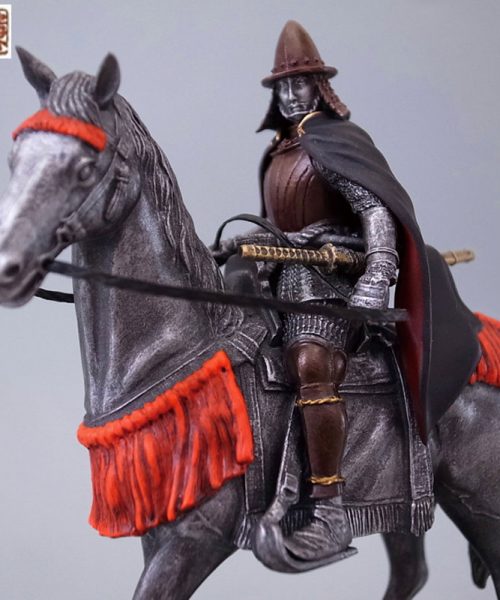
Historical Samurai Statues
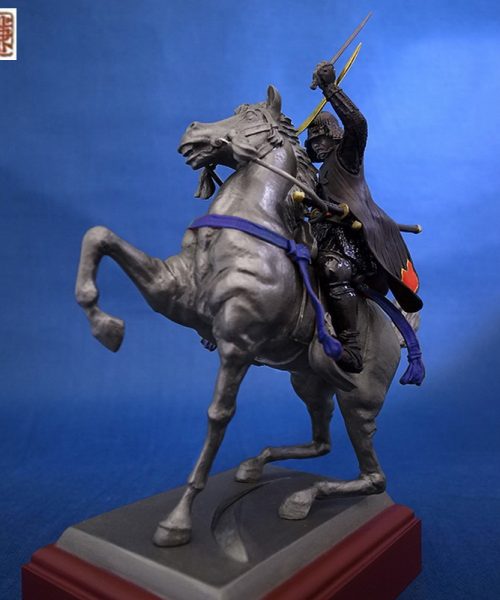
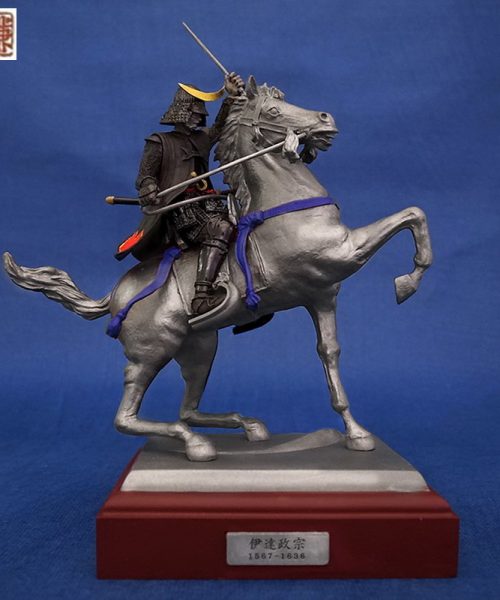
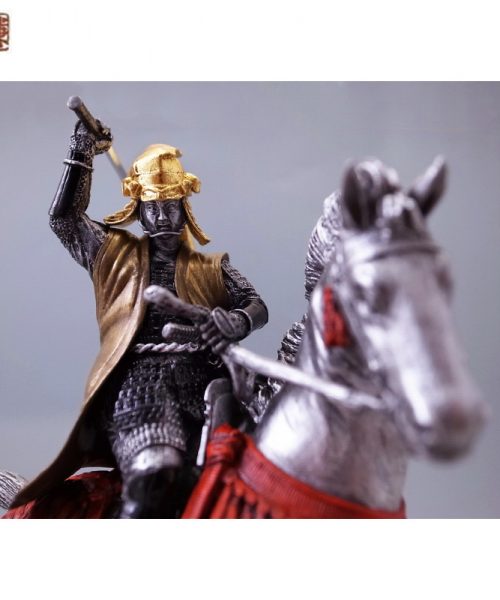
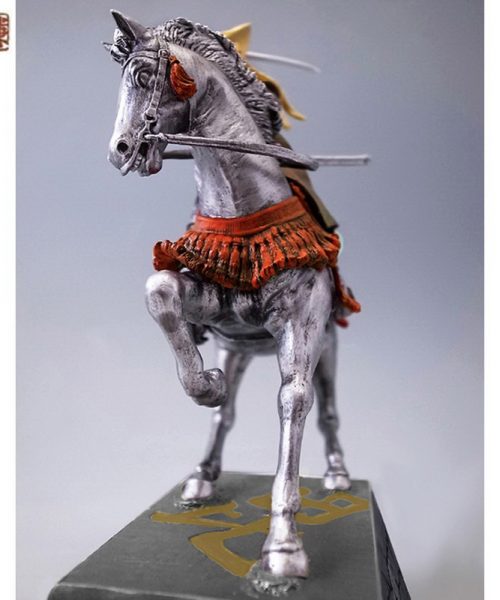
Date Masamune Riding a Horse Statue (450 Years Birth anniversary Edition)
$450
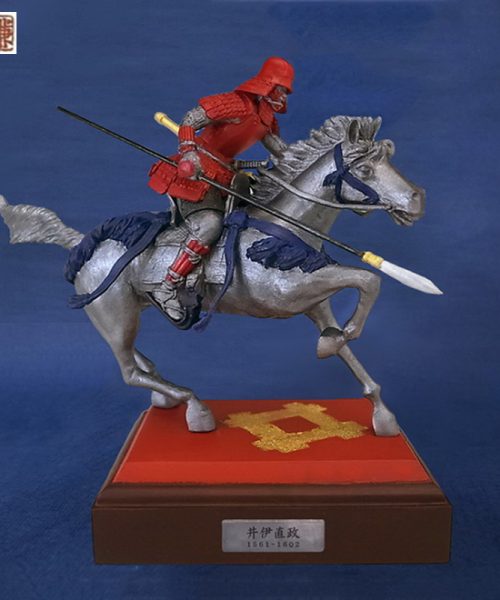
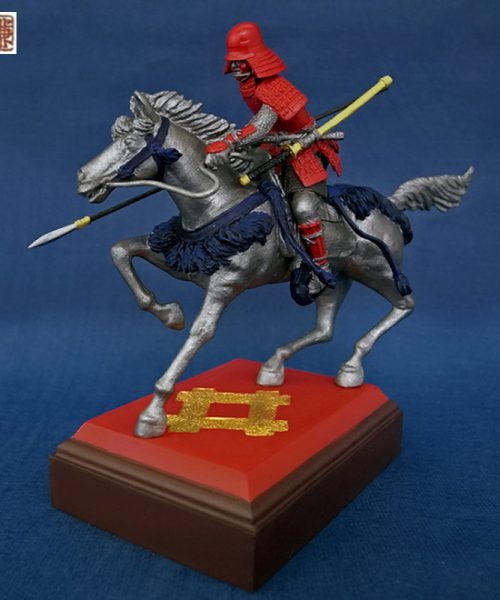
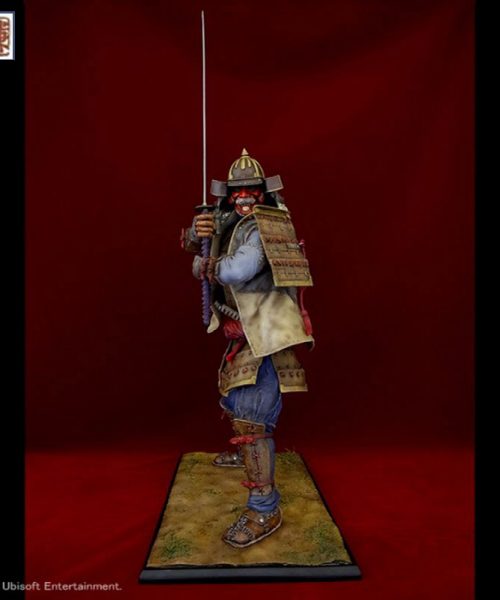
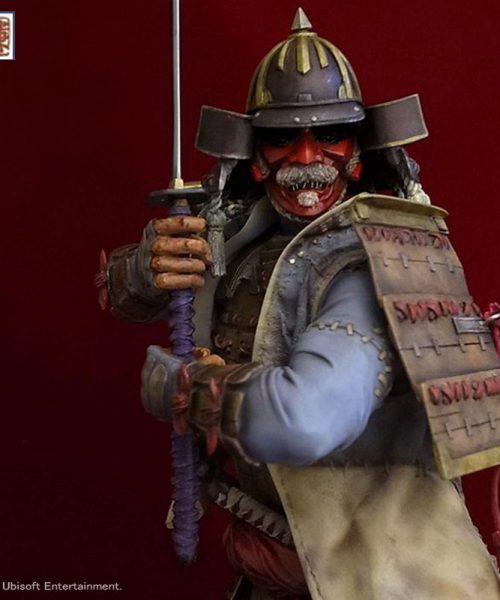
When he sent the message back to the castle, Torii was, unfortunately, captured then hung on a cross. Despite this, he was still able to shout that relief would come before facing his death.
As promised, both Oda and Tokugawa sent relief troops to aid Sadamasa to break the siege. With their combined forces, they were able to defeat Katsuyori. Due to Oda’s skilled use of firearms, the battle was often called the turning point of warfare. A lot have cited this as the first modern battle in Japan.
In general, this cavalry charge has only introduced a generation earlier. Takeda Shingen, Katsuyori’s father, first popularized it. Also, firearms had been in use for other battles. One of Oda’s innovations was the use of rotating volleys on fire and wooden stockades.
This led to Nagashino’s decisive victory.
Battle of Sekigahara – The Deadliest Among Samurai Battles
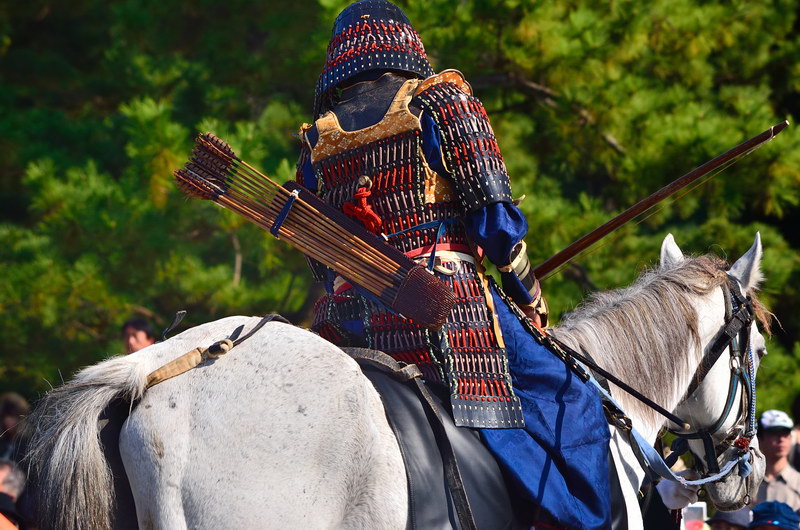
The most significant and deadliest Japanese war in history is the Battle of Sekigahara in 1600. Before the rule of Oda Nobunaga, Japan had been at civil war. However, a traitorous general caused Oda Nobunaga’s death and ended his rule. Toyotomi Hideyoshi then completed the country’s unification and brought peace.
Upon Hideyoshi’s death, a power struggle arose between his followers and Tokugawa. Here, he made moves that angered his coequals which led to the division of Japan into two armies. These two great armies were the Western and Eastern armies.
The loyalist group, led by Ishida Mitsunari, gathered a total of 130,000 Samurai warriors. Compared to him, Tokugawa only had around 80,000 men.
Both parties hurried to take strategic castles and highways. The attacks and sieges led to the Battle of Sekigahara. The battle took only seven hours but caused the deaths of more than 30,000 Samurai. Aside from that, several noble families reached their destruction.
The loyalist forces ended up with a defeat despite their well-planned battle formations. The aftermath was the establishment of the Tokugawa Shogunate. This rule of relative peace after several Samurai battles lasted for 250 years.
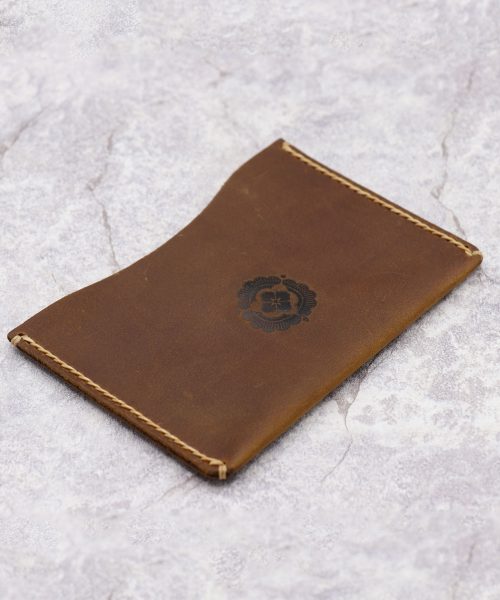
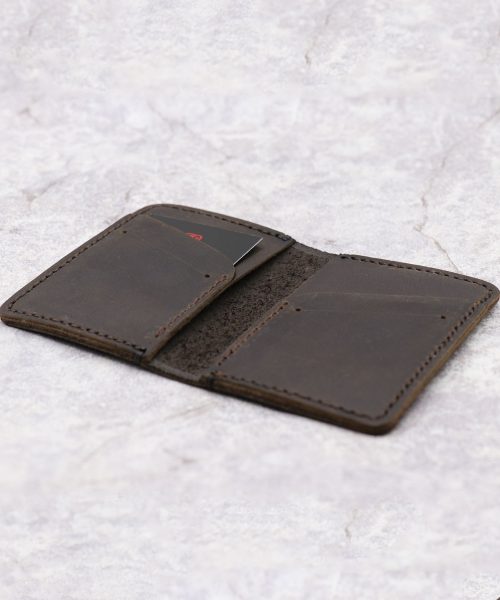
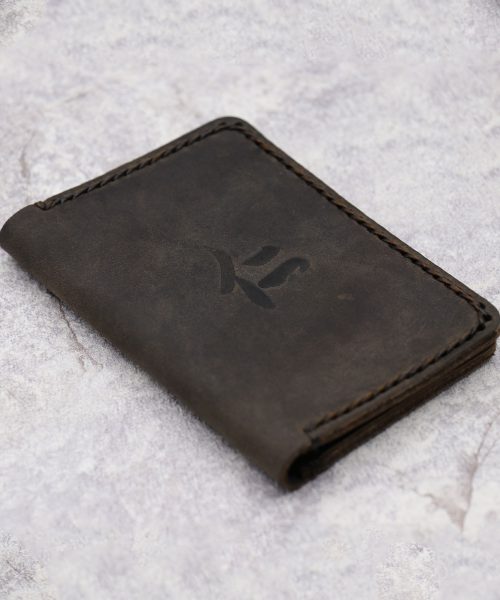
Leather Samurai Wallets for Men
Sale!


Accessories
Original price was: $79.$69Current price is: $69.
Sale!

Accessories
Original price was: $75.$59Current price is: $59.
This product has multiple variants. The options may be chosen on the product page 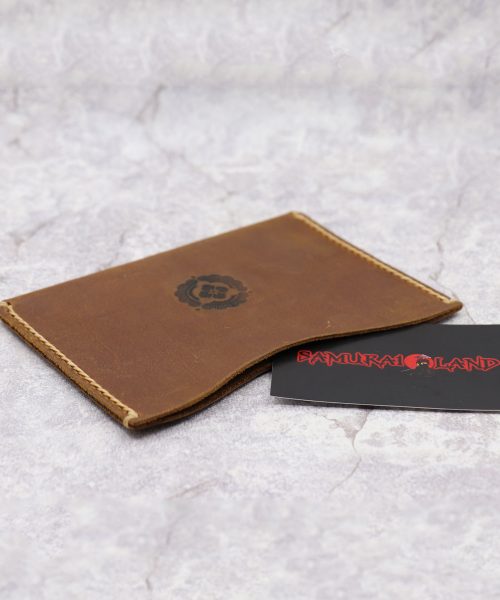
Sale!
Sale!


Original price was: $89.$69Current price is: $69.
Sale!


Accessories
Original price was: $75.$59Current price is: $59.
This product has multiple variants. The options may be chosen on the product page Sale!
Accessories
Original price was: $69.$59Current price is: $59.
Sale!