
No products in the cart.

Bushido, Japan History
The Becoming of a Real Samurai
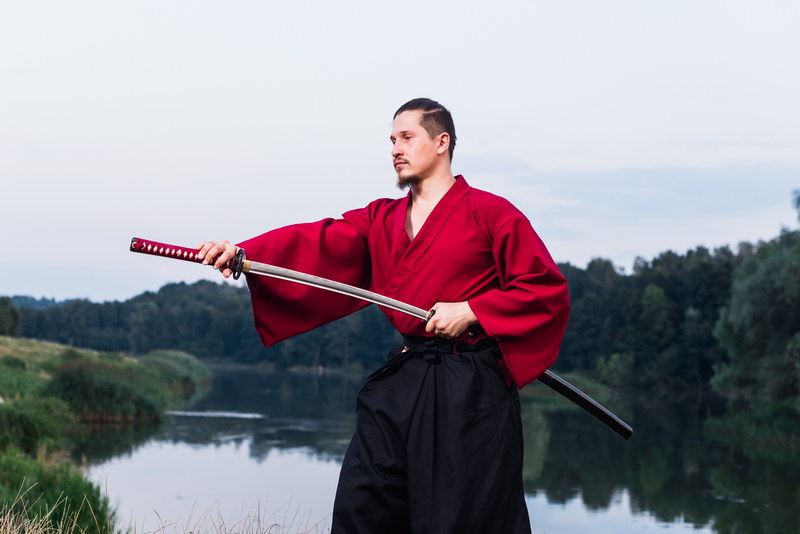
13
Jan
Jan
A Real Samurai
The talk about these warriors has surrounded the planet for over decades. But have you thought about what it took one to become a real Samurai?
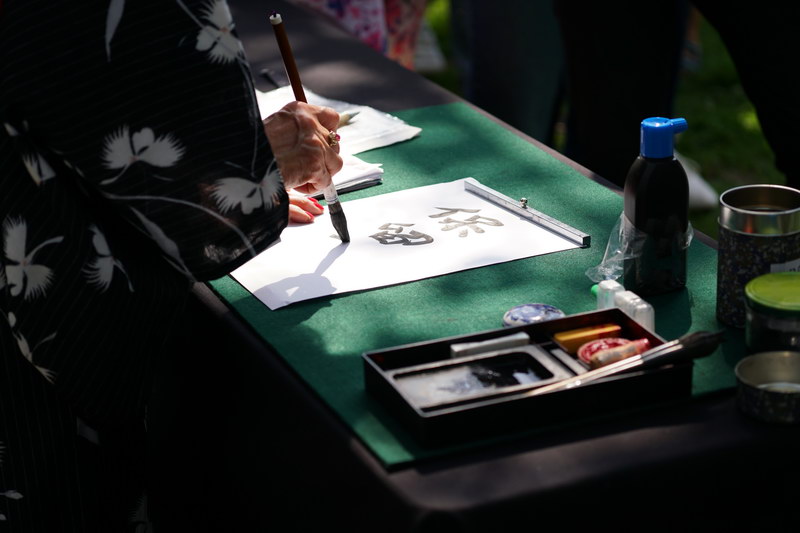
Samurai is a well-known figure in Japan. One familiar word, and you’ll picture out Japan during its feudal days. Just think about their famous Daisho and scary looking armor: that’s how powerful their influence is.
This warrior class is an essential part of Japanese culture, tradition, and history. The stories of their heroic battles and bravery caught the attention of every fan out there. Their unique historic relevance influenced a lot today. There are different portrayals in movies, music, and Japanese manga; not to mention the museums and theme parks designated for them.
Let me give you a brief history of these warriors. The word Samurai means “one who serves.” These individuals are noble members of an elite Japanese military force. Their job is to guard the Imperial Court.
Moreover, these warriors are well-educated people. They fight and follow a strict moral code and apply it to their lives.
The Righteousness of a Real Samurai
Get Your Awesome Samurai T-Shirt
Sale!
Original price was: $39.$28Current price is: $28.
Sale!
Basic T-Shirts
Original price was: $39.$28Current price is: $28.
Sale!
Basic T-Shirts
Original price was: $39.$28Current price is: $28.
Sale!
Basic T-Shirts
Original price was: $39.$28Current price is: $28.
Sale!

Basic T-Shirts
Original price was: $39.$28Current price is: $28.
Sale!
Basic T-Shirts
Original price was: $39.$28Current price is: $28.
Sale!
Basic T-Shirts
Original price was: $39.$28Current price is: $28.
Sale!
Basic T-Shirts
Original price was: $39.$28Current price is: $28.
Sale!
Basic T-Shirts
Original price was: $39.$28Current price is: $28.
Sale!
Basic T-Shirts
Original price was: $39.$28Current price is: $28.
Sale!
Basic T-Shirts
Original price was: $39.$28Current price is: $28.
Sale!
Basic T-Shirts
Original price was: $39.$28Current price is: $28.
Sale!
Basic T-Shirts
Original price was: $39.$28Current price is: $28.
Sale!
Basic T-Shirts
Original price was: $39.$28Current price is: $28.
Sale!
Basic T-Shirts
Original price was: $39.$28Current price is: $28.
Sale!
Basic T-Shirts
Original price was: $39.$28Current price is: $28.
Sale!
Basic T-Shirts
Original price was: $39.$28Current price is: $28.
Sale!

Basic T-Shirts
Original price was: $39.$28Current price is: $28.
Sale!
Basic T-Shirts
Original price was: $39.$28Current price is: $28.
Sale!
Basic T-Shirts
Original price was: $39.$28Current price is: $28.
Sale!
Basic T-Shirts
Original price was: $39.$28Current price is: $28.
Sale!
Basic T-Shirts
Original price was: $39.$28Current price is: $28.
Sale!

Basic T-Shirts
Original price was: $39.$28Current price is: $28.
Sale!
Original price was: $39.$28Current price is: $28.
When you think of these warriors, the very idea that you may ponder first is their bravery. It was a turbulent time in Japan. War and violence became normal and already a part of everyone’s life. These warriors bravely dealt with the situation in Japan during that time.
Samurai warriors are a unique kind of soldiers as compared to others. The reason? They strictly follow the concept of righteousness in their principles and everyday lives.
Righteousness is “The quality of being morally correct and justifiable.” It is when a person acts according to the moral law. It is the first and most crucial principle of Bushido (Code of Ethics).
Righteousness, when applied to the Bushido code, is about morality. It’s true, but it’s still more than that. It is the deep sense of doing the right thing based upon reason and judgment.
For instance, violence is highly avoided by these warriors. But, if there was no other option but to fight, they will strike their opponent as quickly as possible, because every action of these warriors must always be in the manner as if the Higher Being has commanded it.
A Warrior’s Soul
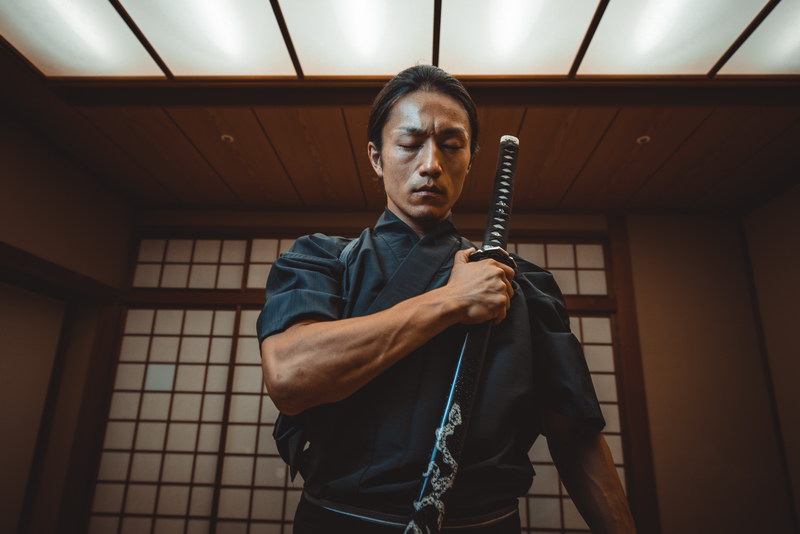
Samurai were elite warriors of premodern Japan. These warriors use different weapons as a necessity. Indeed, one of the essential weapons they use is the sword.
Swords play the most crucial part of the life of these warriors. From the birth of a Samurai, until his final days, his sword will always remain by his side.
According to Bushido, Katana is the (extension of the) soul of Samurai. This only means that a sword is not just a weapon, but also an essential symbol of the life of a Samurai.
Samurai families treasured sword so much that it served as their family crest. They pass it down from one generation to another. A Daisho set composed of a Katana (a long sword), and Wakizashi or “sidearm” is a collection of swords.
A Samurai usually wears his sword on his left hip with the edge of the sword facing down. A real Samurai treated his Katana with great importance. It also served their standard form of self-defense. It’s never carried it without its companion, the Wakizashi (a shorter but broader blade).
A Katana is not just a weapon; it also serves as a symbol. It is an extension of the Soul of a Samurai and proof of power by the Imperial family and shrines. A Katana is also an art-craft of ancient Japan for its artistic body of the blade.
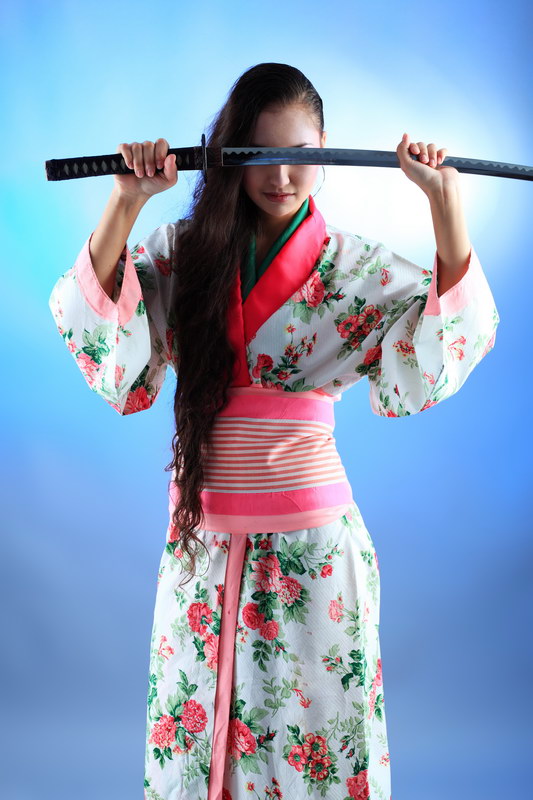
Women and Katana
Perhaps of the most interesting fact about Samurai is the involvement of women. A lady Samurai does exist! And it surpassed the big gender gap and stereotype about women in feudal Japan.
Throughout history, women are only expected to be at home. A loving mother and wife, and that’s it. Apparently, society expects women to be the caretaker of the family. However, it is exciting to know that there are women in feudal Japan who fights and join battles as a Samurai.
The premodern era of Japan was the time when wars and chaos have succumbed society. With that said, women had to learn how to fight for them to survive and defend their family and children.
These female warriors, called Onna- Bugeisha, belong to a noble class. They are outstanding in combat, martial arts, horseback riding, and archery.
Code of the Righteous Ones
Bushido comes from the Japanese words “Bushi” meaning warrior, and “Do” meaning “path” or “way”. The term literally translates as “way of the warrior.”
Bushido is the code of conduct of Samurai that they strictly follow. Its principles emphasize eight essential virtues a noble Samurai must have. These are justice, politeness, honesty, honor, loyalty, courage, mercy, and lastly, character and self- control.
These virtues are the unwritten Samurai code of conduct. It has influenced their way of life, principle and their very existence. These virtues also teach them to appreciate and respect other non-martial art qualities, as well as true manliness.
A book entitled “Bushido: The Soul of Japan,” published and authored by Nitobe Inazo eventually became a bestseller. Reprinted for over a hundred times, Inazo’s book was highly celebrated by a lot of people.
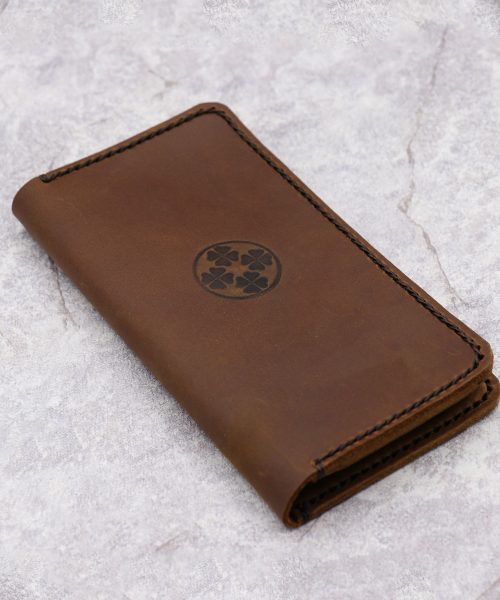
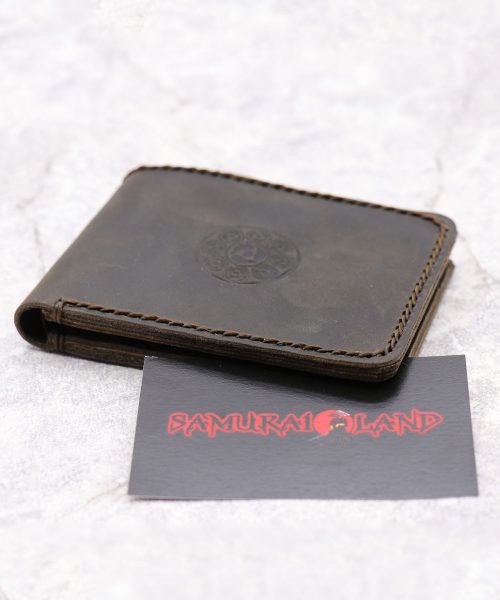
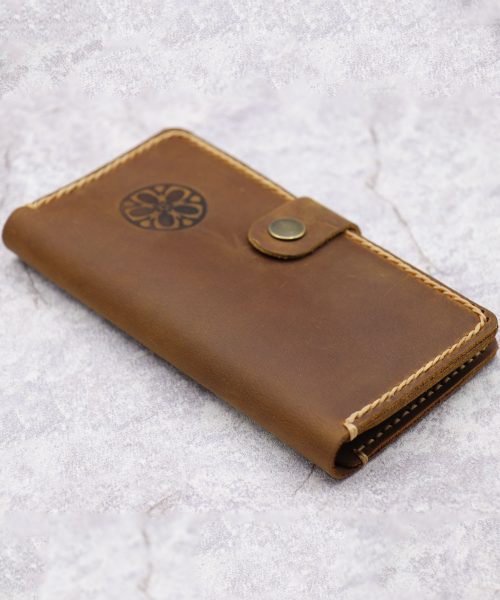
Leather Samurai Wallets for Men
Sale!

Accessories
Original price was: $75.$59Current price is: $59.
Sale!

Accessories
Original price was: $79.$69Current price is: $69.
Sale!


Accessories
Original price was: $75.$59Current price is: $59.
Sale!

Accessories
Original price was: $75.$59Current price is: $59.
Sale!
Accessories
Original price was: $69.$59Current price is: $59.
Sale!
Accessories
Original price was: $69.$59Current price is: $59.
Sale!
Original price was: $89.$69Current price is: $69.
Sale!
Accessories
Original price was: $69.$59Current price is: $59.
The former US President Theodore Roosevelt bought 60 copies of it. He bought it as a gift to his family and relatives.
Nitobe Inazo’s book played an important role in Japan’s history. It opened and showed the world a different and completely new glimpse of Japan.
Before publishing the book, the world saw Japan in a different light. After the smash hit of this book, the world had a deeper understanding of Japan. The world finally saw its struggles. The world finally appreciated Japan’s vibrant and dynamic culture, tradition. Now, Japan is highly appreciated by everyone in this society.
Some criticized the book because it romanticizes non-existent chivalry of Samurai warriors. But for others, Inazo’s work has dramatically made an impact and revelation to the world. He portrayed Japan as a masculine land with a unique, dominant warrior culture.