
No products in the cart.

Japan History, Things to do in Japan
Kabuki: Wonders of Japanese Theater
17
Feb
Feb
Kabuki Theater
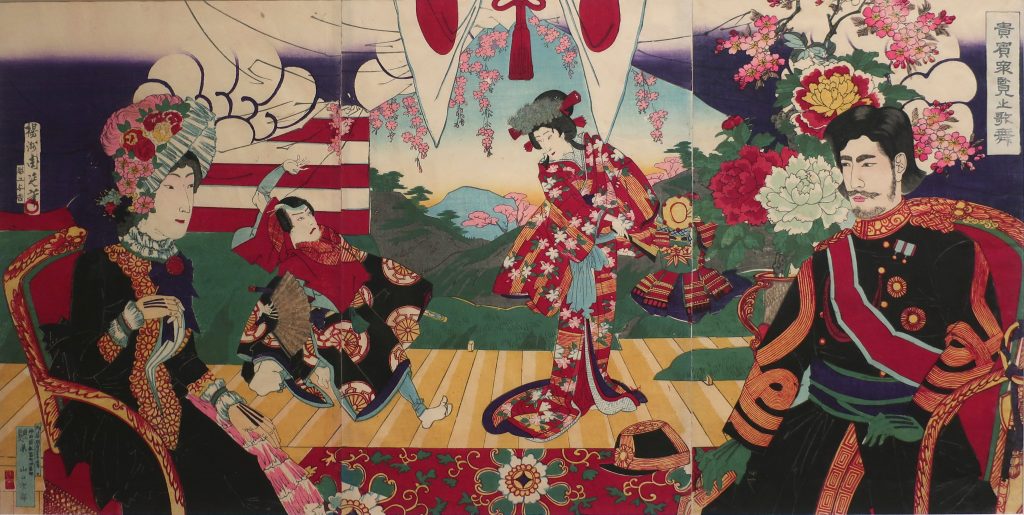
Kabuki is a traditional form of classical theater in Japan rich in showmanship. Kabuki is a combination of the words “song”(ka), “dance”(bu) and “skill”(ki). As a whole word, it translates to “the way of singing and dancing”. Many also believed that the word “Kabuki” came from the word “Kabuku”, which means to slant or to become an odd one.
Have you ever been to a show where there were colorful and exaggerated performances? Or to a live performance where they cast men only? We don’t mean like Medieval sword fighting techniques or ninja acts. We mean live performances on a stage.
Do you ever plan to have a trip to Japan and wish to have an exciting experience? If that’s the case, then you should have a chance to witness Kabuki.
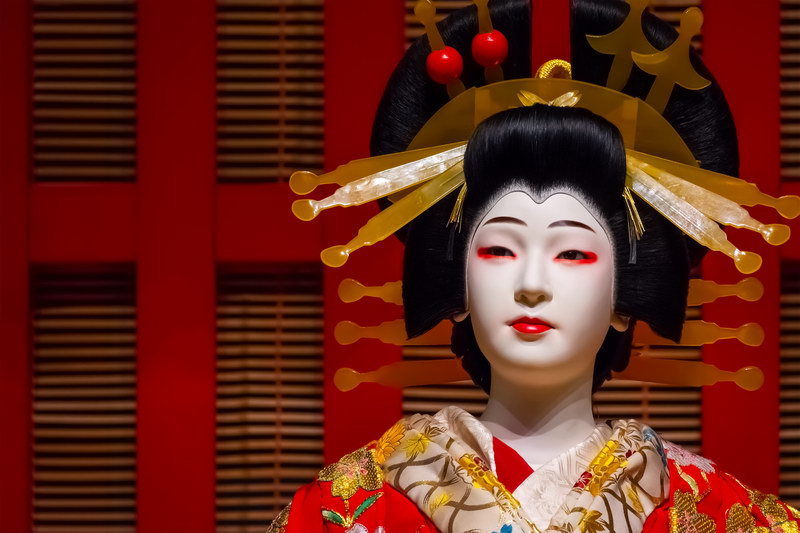
Kabuki is also famous in the field of arts, not only in Japan but in the whole world. Colorful costumes, make-ups, wigs, and great acting are all parts of Kabuki theatre. The emphasized movements help connect more with the audience. This is because the actors use outdated Japanese language.
What is the History of Kabuki?
“If Kabuki itself can be defined as colorful, the same, indeed, also applies to its history!”. This line came from Dr. Jukka O. Miettinen from the Theater Academy Helsinki. This type of art started back during Japan’s earliest years. It first started with only women being the cast of the performance.
Izumo no Okuni, a Shinto priestess, led the first official Kabuki show and became the founder. She and her fellow female members performed so they could raise money for a certain shrine.
Even back then, their plots were more on romantic tales to entertain. Their movements came from Buddhist dance prayers to show a touch of religion. Kabuki was a trend among everyone, including regular civilians. They called early Kabuki, “Kabuki Odori”, or “Avant-Garde Dance.”
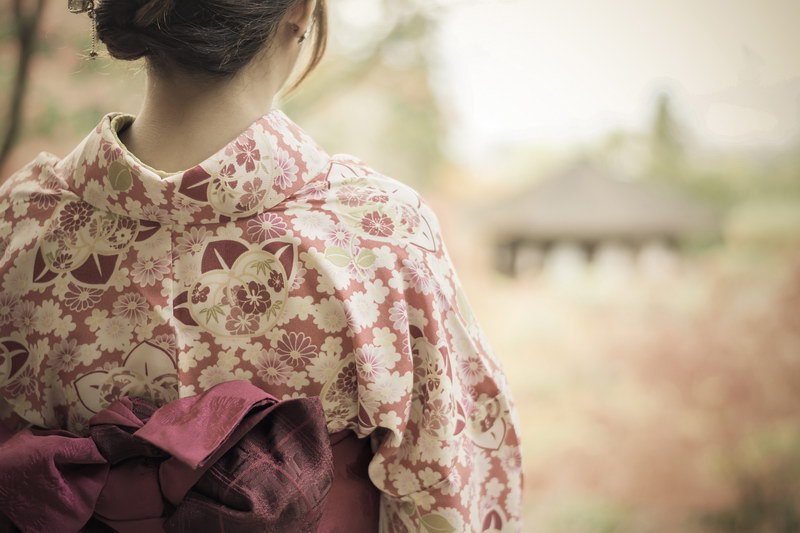
The schemes of the gangs of Samurai inspired Kabuki. These gangs were the Kabukimono. The society called the Kabukimono “The Crazy Ones” or “The Deviants”. These groups had members that were either Samurai or Ronin. They also had members that were apprentices that worked for a Samurai.
These people became street gangs during times of peace. They acted like they were the boss around town and attacked anyone who was in their way. It’s not like they perform the art of parrying but they really just flaunt their swords.
One notable thing about them is the way they dressed. They made sure they were colorful and sometimes wore clothes for women. They accessorized or beautify their swords, too. It is believed that Izumo no Okuni started acting by trying to dress like a Kabukimono as her first acts.
Accessories Accessories Accessories Accessories Accessories Accessories Accessories AccessoriesLeather Samurai Wallets for Men
Sale!  Original price was: $75.$59Current price is: $59.Sale!
  Original price was: $69.$59Current price is: $59.
  $49Sale!
  Original price was: $69.$59Current price is: $59.Sale!
  Original price was: $79.$69Current price is: $69.Sale!
  Original price was: $79.$69Current price is: $69.Sale!
  Original price was: $75.$59Current price is: $59.Sale!
  Original price was: $69.$59Current price is: $59.





Replacing the Cast
Okuni’s group continued to perform Kabuki Odori. But their performances had smutty and erotic gestures featured. Their immodest costumes was another counting factor for their eroticism. These costumes had a touch of Portuguese missionaries’ costumes.
Even though females helped popularized the show, concern was visible among many people. Even the producers themselves were aware of the situation. Men broke into fights so they could catch the attention of the cast. The lead actress was usually the apple of the eye as well as the victim.
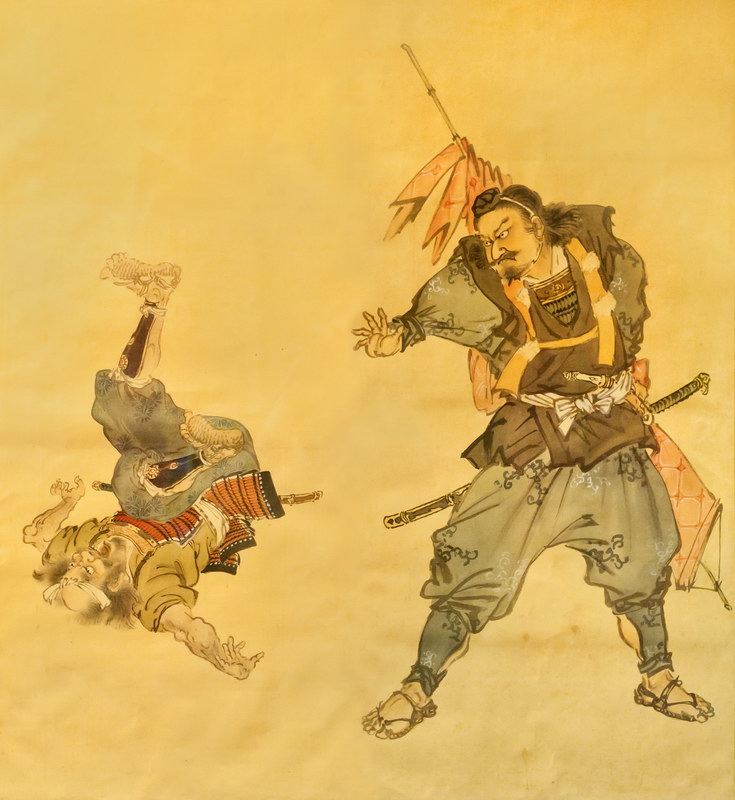
Then, the Tokugawa Shogunate decided to restrict females to be a part of the theatre. This resulted in replacing the cast into boy actors. They grew in popularity, especially when they take female roles.
But instead of solving the former problem, this resulted in the opposite. Because of this, this period didn’t last long. These boys started gaining passionate admirers which consisted of older men.
Because of the new concern for the Kabuki cast, officials banned young men from performing in 1652. Only men can perform Kabuki up until now. So when you see a female character on stage, you now know that “woman” is actually a man. These men who take the role of a female are the Onnagata.
The Stage
The stage sets the production to become lively. They do this by placing rotating platforms and trapdoors. This type of stage is the Nogakudo, which acts like a magic box filled with surprises. This allows the transitions of scenes to be quicker and smoother.
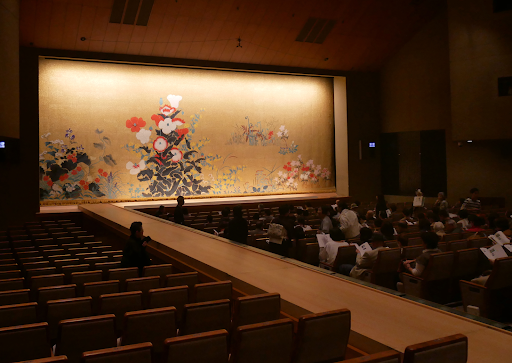
A footbridge or walkway called the Hanamichi is another feature of the Nogakudo. It leads across the audience seating area to connect with the front stage with the back of the theater. This stage enables striking entrances and exits by the actors. This also helps form a connection with between the audience and the cast.
Other features of Kabuki theaters are the Mawaro Butal and Suppon. The former is the revolving stage we talked about earlier. This part of the stage is at the interior part of the front stage. The latter which is the Suppon is the platform that rises from below the stage. If you ever went to a concert by a pop star, they also use this technique at times to give excitement.
Props and Music
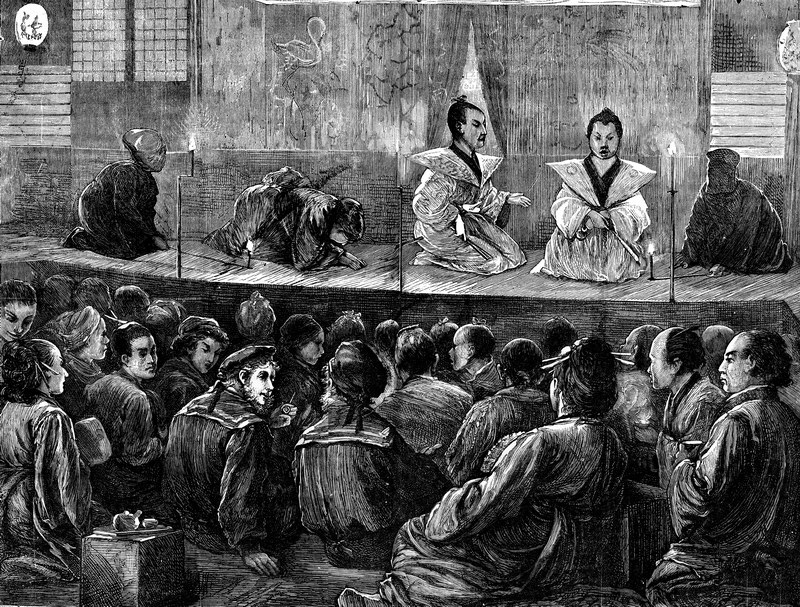
Props featured in Kabuki shows are often compelling. Flying roles of cloth often represent flowing water. Animals like rabbits and birds hung from sticks. Some props also symbolize other kinds of stuff. For example, fans can symbolize the wind or movement of all types of swords. Most props that needed to move are the Kurogo’s job.
The Kurogo are the men you noticed on stage wearing black clothing. Their roles during a Kabuki performance are to assist the actors. They are to be “invisible” to the audience. They are responsible for handling props and assisting the actors for their next call. With this, the performance can flow well.
During the showcase of entertainment, playing traditional instruments gives live music. The music produced brings the mood into the atmosphere. It also helps create a charming performance for the entire show.
What are the instruments used in Kabuki?
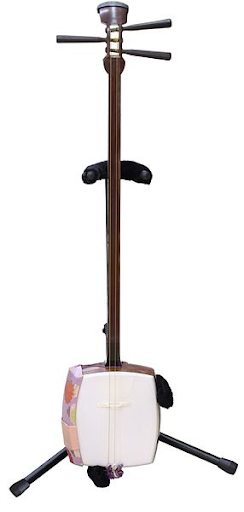
There a lot of Japanese traditional instruments that are in Kabuki shows. One example is the Wadaiko or Taiko, a percussion instrument. The drum’s material is out of leather skin stretching over a body made out of wood. The Wadaiko creates a loud and powerful sound when struck.
Another traditional instrument that is for Kabuki is the Kotsuzumi. The Kotsuzumi is a drum as well and creates a nice and pleasing tapping sound. To play the drum, one must place it on the drummer’s right shoulder. The drummer uses his right hand to drum the Kotsuzumi while his left hands clutch on its ropes. They call these ropes Shirabeo.
Finally, last on our list for introduction is the Shamisen. The Shamisen is a three-stringed instrument. This instrument originated from China’s instrument: Sangen. It was one of Japan’s instruments that shows what early modern Japan’s music was like.
To play the Shamisen, one must kneel down and place the instrument on the right knee. The right arm helps keep the instrument steady and balanced. With his right hand, he plucks the strings to produce sound. The pick they use for playing the Shamisen is a Bachi.
Get Your Awesome Samurai T-Shirt
Sale!
Basic T-Shirts
Original price was: $39.$28Current price is: $28.
Sale!
Basic T-Shirts
Original price was: $39.$28Current price is: $28.
Sale!
Basic T-Shirts
Original price was: $39.$28Current price is: $28.
Sale!
Basic T-Shirts
Original price was: $39.$28Current price is: $28.
Sale!

Basic T-Shirts
Original price was: $39.$28Current price is: $28.
Sale!

Basic T-Shirts
Original price was: $39.$28Current price is: $28.
Sale!
Basic T-Shirts
Original price was: $39.$28Current price is: $28.
Sale!
Basic T-Shirts
Original price was: $39.$28Current price is: $28.
Sale!
Basic T-Shirts
Original price was: $39.$28Current price is: $28.
Sale!

Basic T-Shirts
Original price was: $39.$28Current price is: $28.
Sale!
Basic T-Shirts
Original price was: $39.$28Current price is: $28.
Sale!
Basic T-Shirts
Original price was: $39.$28Current price is: $28.
Sale!
Basic T-Shirts
Original price was: $39.$28Current price is: $28.
Sale!
Basic T-Shirts
Original price was: $39.$28Current price is: $28.
Sale!
Basic T-Shirts
Original price was: $39.$28Current price is: $28.
Sale!
Basic T-Shirts
Original price was: $39.$28Current price is: $28.
Sale!

Basic T-Shirts
Original price was: $39.$28Current price is: $28.
Sale!
Basic T-Shirts
Original price was: $39.$28Current price is: $28.
Sale!
Original price was: $39.$28Current price is: $28.
Sale!
Basic T-Shirts
Original price was: $39.$28Current price is: $28.
Sale!

Basic T-Shirts
Original price was: $39.$28Current price is: $28.
Sale!
Basic T-Shirts
Original price was: $39.$28Current price is: $28.
Sale!

Basic T-Shirts
Original price was: $39.$28Current price is: $28.
Sale!
Basic T-Shirts
Original price was: $39.$28Current price is: $28.
Themes and Storyline
Dramas and love stories are common themes for a storyline. Kabuki also uses historical events, tragedy, and conspiracy as subject matters. Honor, justice, and order also become the main idea for a performance.
A common attribute in Kabuki performances is that they only show the best part out of an entire story. In easier terms, for example, the production would only take Chapter 6 of a book into action. They would then exclude the rest of the chapters.
10 of the Best Samurai Games for Gaming, Samurai, and Japan Enthusiasts
Various Ways to Instill the Samurai Culture in Everyday Life
The Art of Shodo: The Way They Write
Nakano Takeko of the Boshin War
People come to watch not to learn the storyline since the majority already knew the story and its ending. This is why the ones in charge of the Kabuki performance only take one part of an entire story. The mass continues to watch the performance to witness the wonderful show.
Everyone loves to see music, dancing, and acting. They love it, especially if the performance is outstanding. Both natives and foreigners also love to see something that came from centuries ago. It is also great to see that this is going on strong and adored by many.
To see a musical in Broadway is cool, sure. But if you want to learn more about the cultural aspect of things in Japan, then watch a Kabuki show. It is a hundred percent worth your time.