
No products in the cart.

Things to do in Japan
10 Best Ninja and Samurai Tourist Spots in Japan
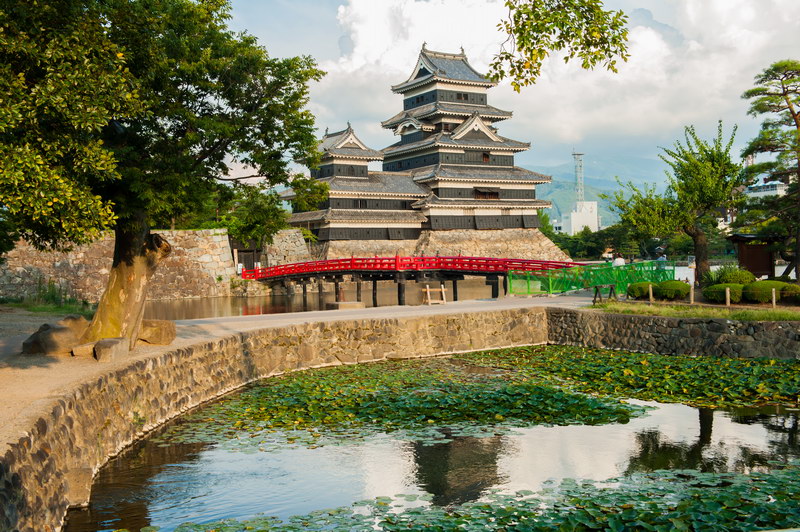
23
Jul
Jul
Ninja and Samurai Tourist Spots
Samurai fan or not, we’re sure you’ll have a wonderful time in these Ninja and Samurai tourist spots. Here are ten of the best among hundreds of exciting Ninja and Samurai tourist spots to visit in Japan.
1. Kakunodate Samurai District

This Samurai tourist spot is among the best in Samurai architecture and housing. In fact, it once housed 80 families because of its wide streets and large courtyards. Also, blooming cherry trees fill the streets and courtyards every May. It is during this time Hanami tourists come to visit.
Houses remain intact but among them, only six are open to the public. Visitors can experience how the middle and upper classes have lived. Meanwhile, two of them stand out from the rest in terms of size and quality.
The Aoyagi House has multiple buildings with museums providing highlights of the Samurai traditions and lifestyle. They have English translations for foreign tourists as well. Also, one can find restaurants and souvenir shops in this compound.
The Ishiguro House has a smaller visitors’ area compared to Aoyagi because a family still resides here. Here, visitors can find a set of Samurai clothing and armor as well as structural drawings and studies. The house also has a storeroom preserved over the years.
2. Koka Ninja Village
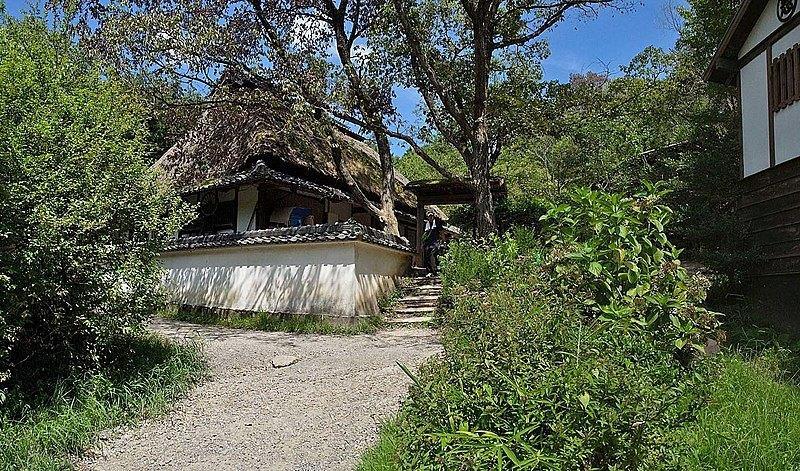
One of the best Ninja tourist attractions, this village seats in a remote and rural area of Koka City. It particularly brings back the times when Ninja was still active.
Having a large area, it houses the Ninja Museum which exhibits a collection of Ninja clothing and weapons. Wakizashi is one of the swords it features.
Moreover, there is this Ninja Star Training Hall which offers Shuriken throwing demonstrations. Also, it illustrates other Ninja skills such as walking on water and on scale walls.
Finally, the Trap House is one of the most exciting stops because it has hidden spaces, trapdoors, and compartments. The challenge is for one to actually escape.
3. Matsumoto Castle
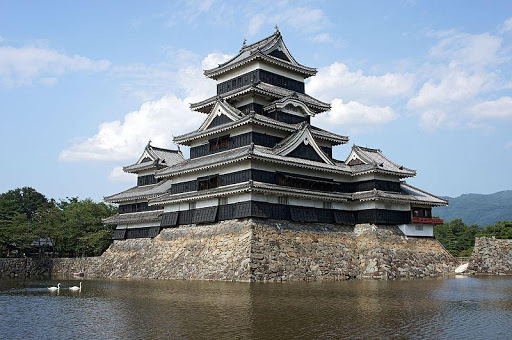
This is one of Japan’s best historic castles, sometimes referred to as the “Crow Castle” due to its black exterior. Formerly the seat of Matsumoto’s domain, it rests in the city up to now which is in Nagano Prefecture. The location provides easy access from Tokyo.
Listed as a national treasure of Japan, it maintains its architecture. Specifically, its interiors are made of wood and its exteriors are of stonework.
This castle is a flatland type because it sits on a plain rather than on a hilltop. Should it be on a hilltop, it would have an extensive defense structure consisting of interconnecting walls, moats, and gatehouses.
Teppo Gura is one of the keep’s main features. It is a gun museum exhibiting a collection of guns, armor, and other weapons.
4. Tokyo Imperial Palace
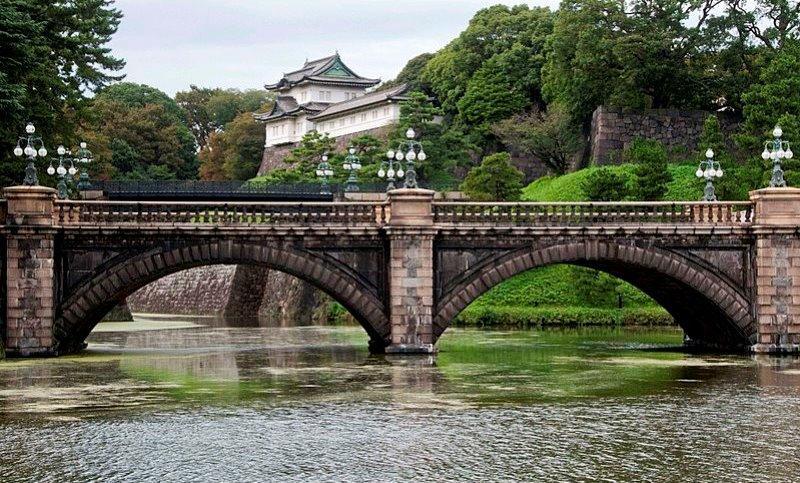
This used to be the Edo Castle, the seat of the Tokugawa Shogunate, ruling from 1603 through 1867. With its defeat in 1868, the imperial residence moved to Tokyo.
The current Imperial Palace completed construction in 1888. World War 2 once destroyed it; fortunately, people rebuilt it in the same style then.
Open for visitors is a view of the Nijubashi consisting of two bridges forming an entrance to the inner palace. The palace itself, however, is not open to the public except on two holidays.
January 2 celebrates a New Year’s greeting while December 23 commemorates the emperor’s birthday. During these dates, visitors can enter the inner grounds to see the members of the Imperial Family. They usually appear on a balcony.
5. Edo Wonderland
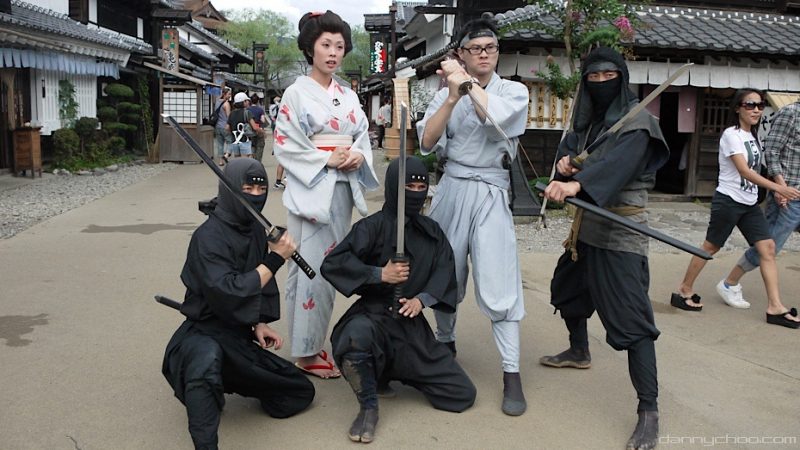
Rather than it is a castle or a village, Edo Wonderland is a park. In a way, it can be likened to Disney Wonderland except for the theme.
Having history as a theme, it tours visitors back to town life during the Edo Period. Architecture comes in Edo style and townspeople put on a period costume. Interestingly, guests can dress up as such too. They can even visit museums and shops, play games, and watch live theater while on the costume.
Furthermore, most shops and restaurants sell souvenirs such as teapots, woodblock prints, and toy weapons. Also, there are those that show how period craftsmen worked as swordsmiths.
Visitors can also find museums in certain corners. Two of these are the Kodenmacho Jail House and the Kira-Kozukenosuke Residence which provide prison life, torture, and battle highlights.
Lastly, amusements are also available. As one of these, the Ninja Trick Maze is a human-sized labyrinth whose challenge is to escape from the puzzle.
Moreover, performances vary from comic shows to live action. Particularly, the Grand Ninja Theater includes sword battles, magic, and martial arts in its daily shows.
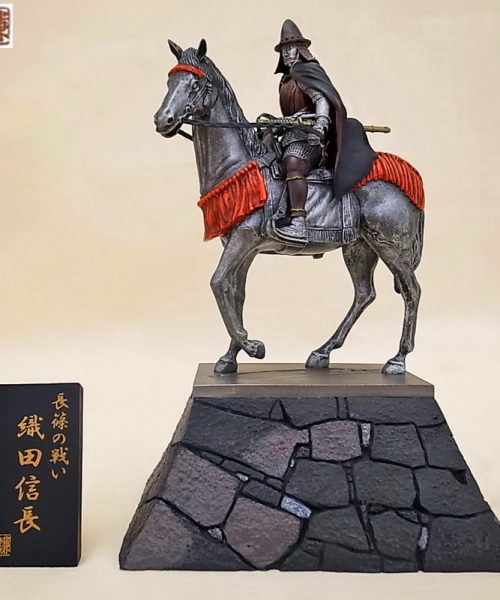
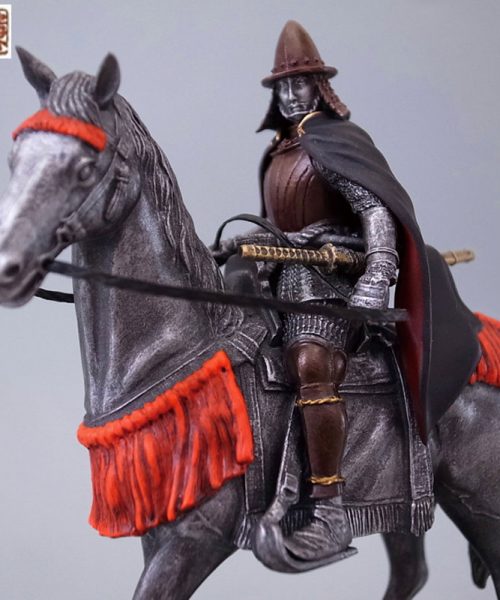
Historical Samurai Statues
$275
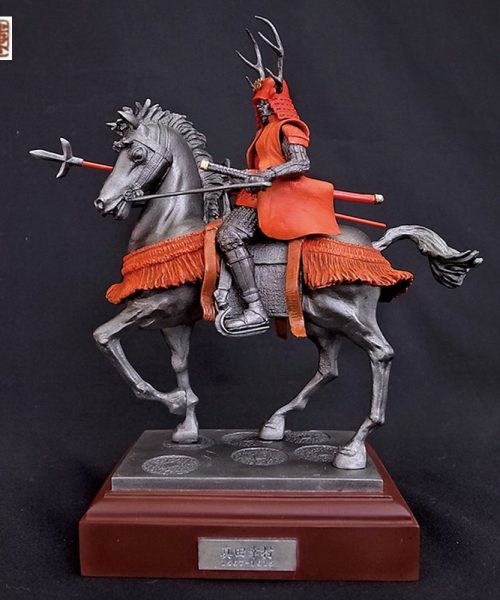
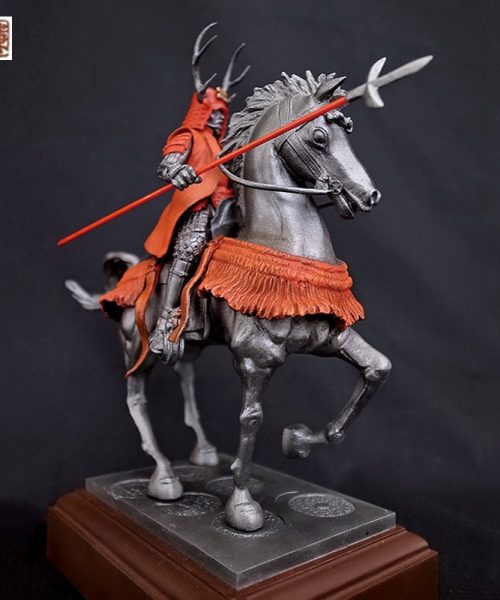
Historical Samurai Statues
$195

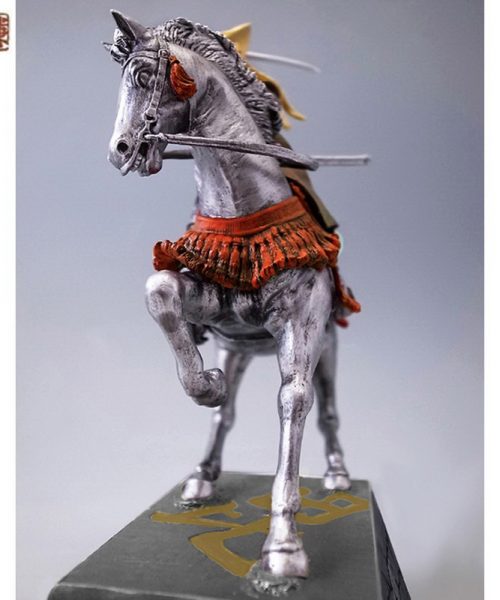
Historical Samurai Statues
Statue of Uesugi Kensin in Kawanakajima Battle – Samurai Statues
$275
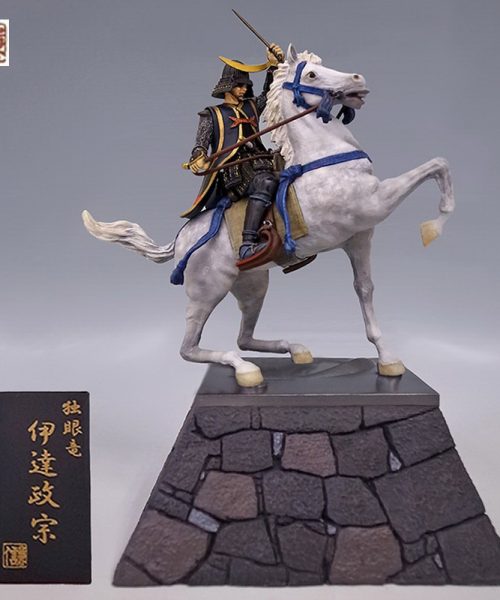
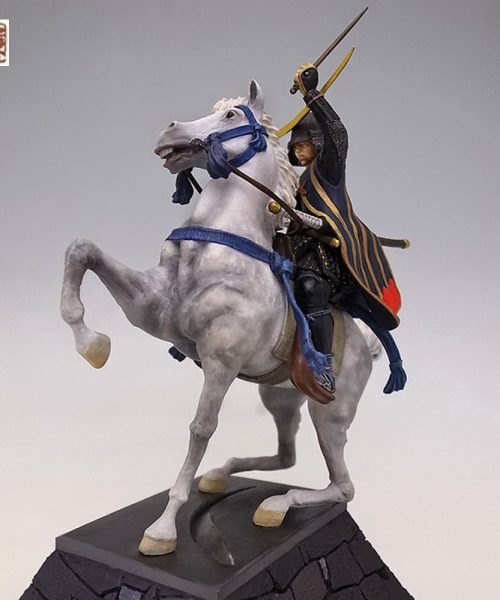
Historical Samurai Statues
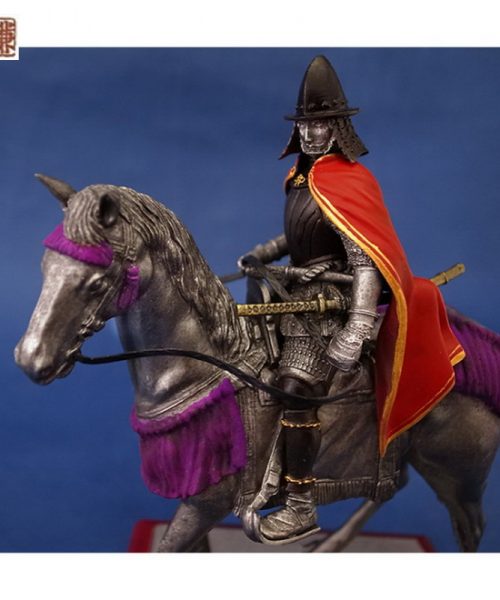
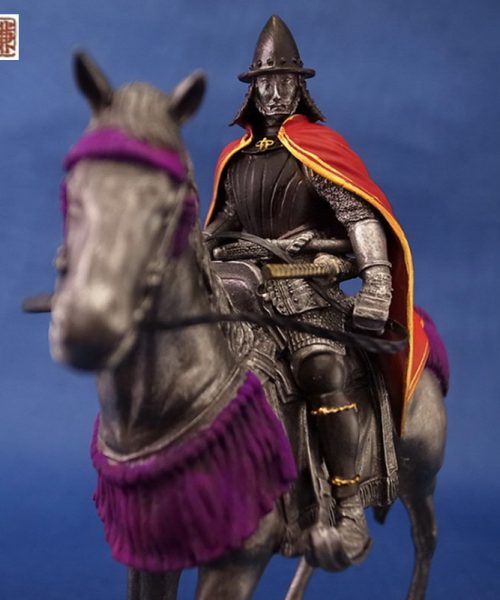
Date Masamune Riding a Horse Statue (450 Years Birth anniversary Edition)
$450
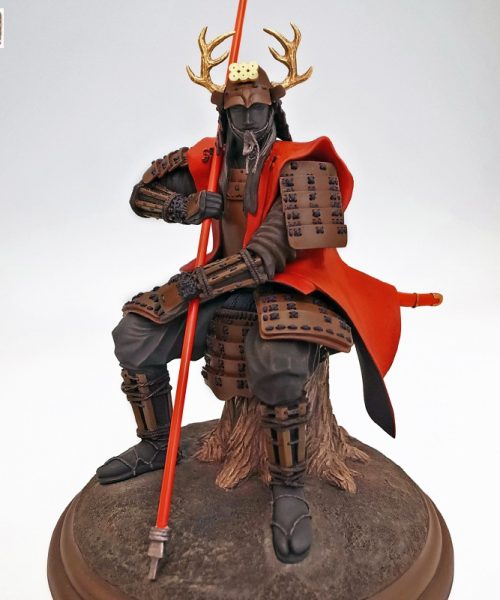
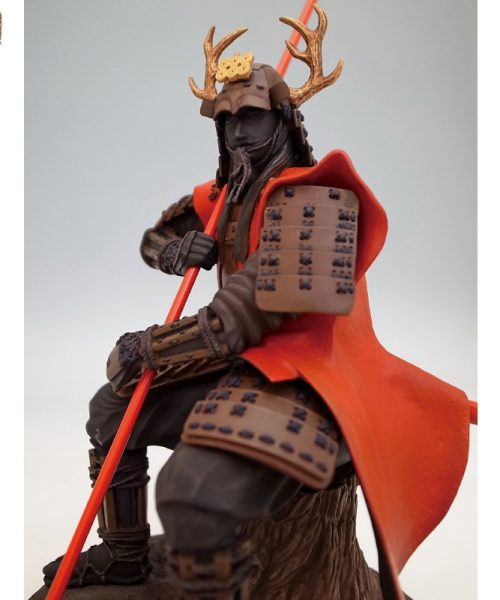
Out of stock
Historical Samurai Statues
$450
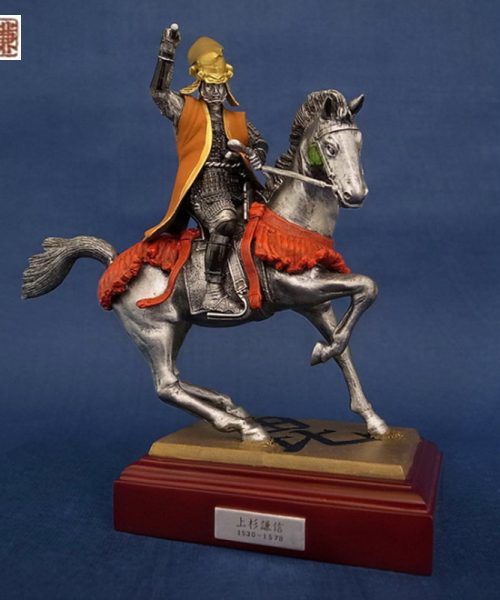
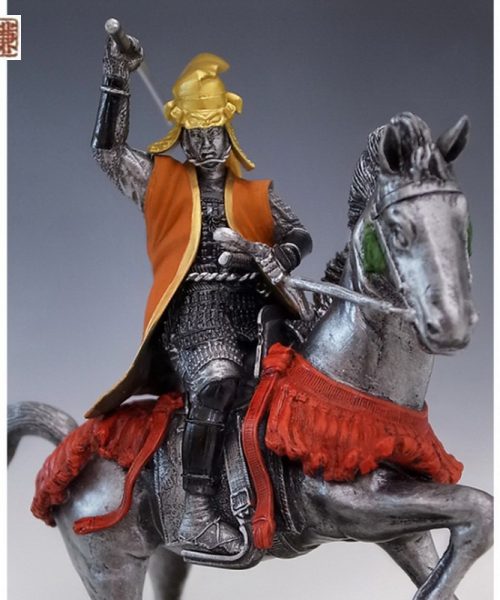
Historical Samurai Statues
$195
Historical Samurai Statues
$195
Out of stock
Historical Samurai Statues
$3,900
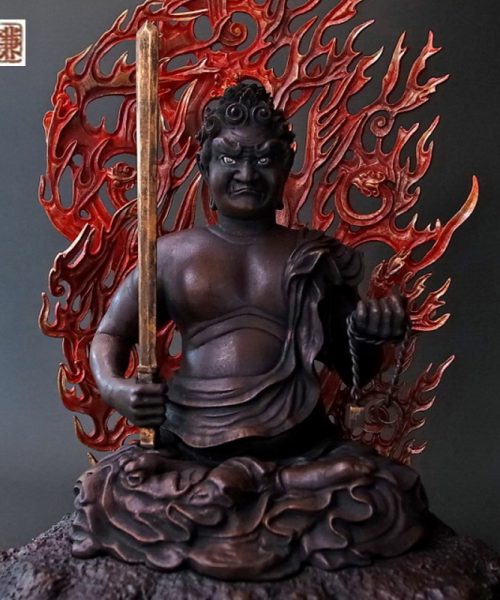
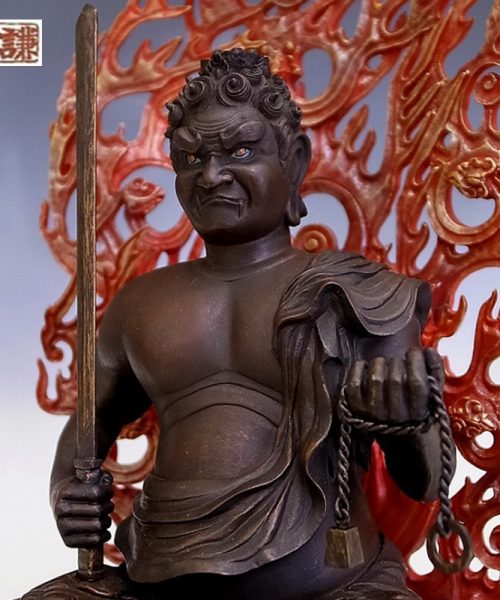
Japanese Buddhism Art
$595
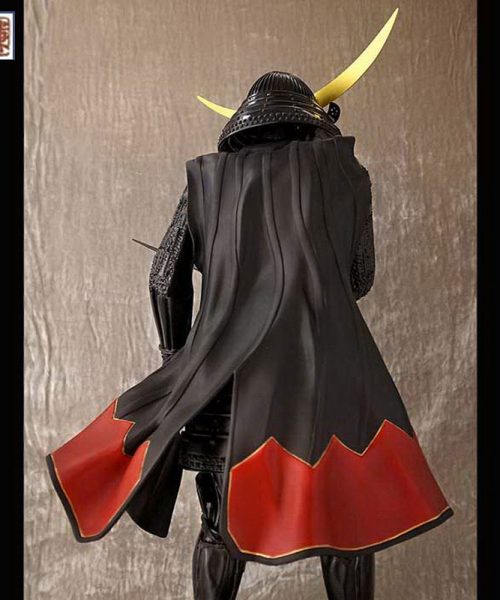
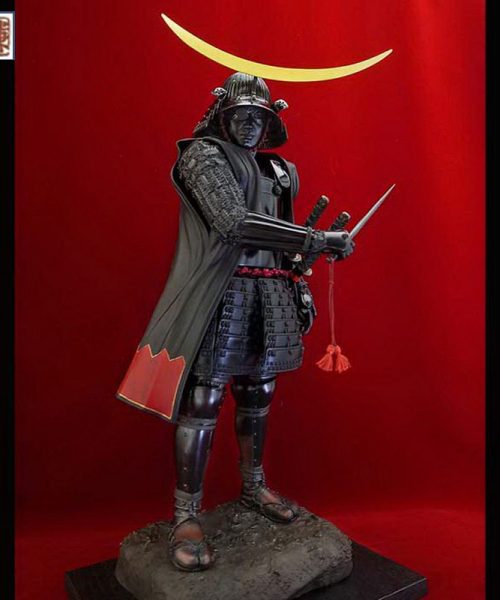
Historical Samurai Statues
$1,980
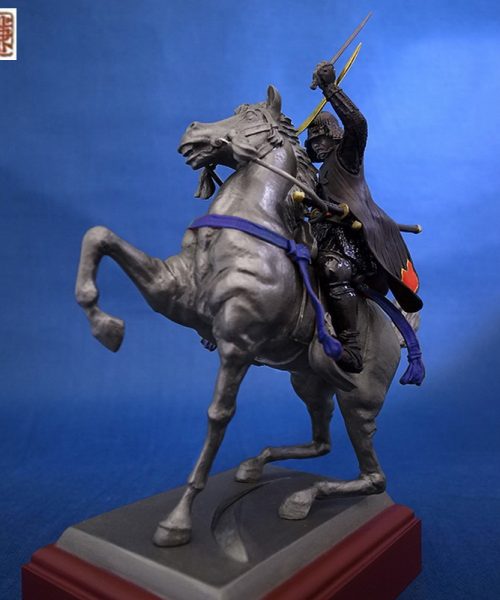
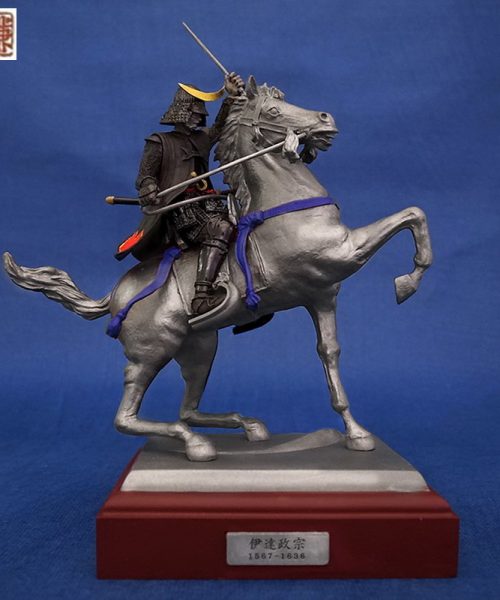
Historical Samurai Statues
$195
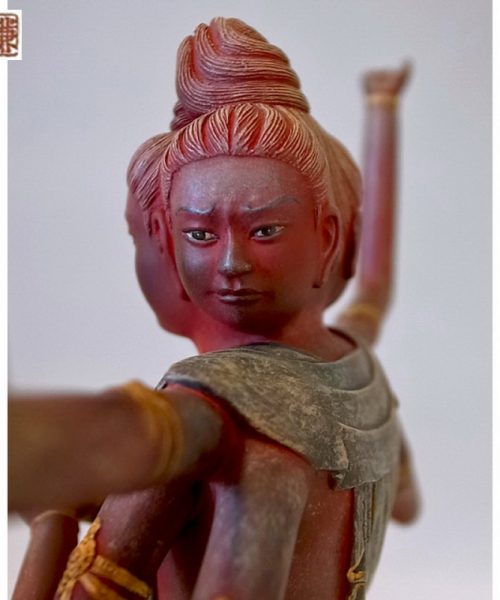
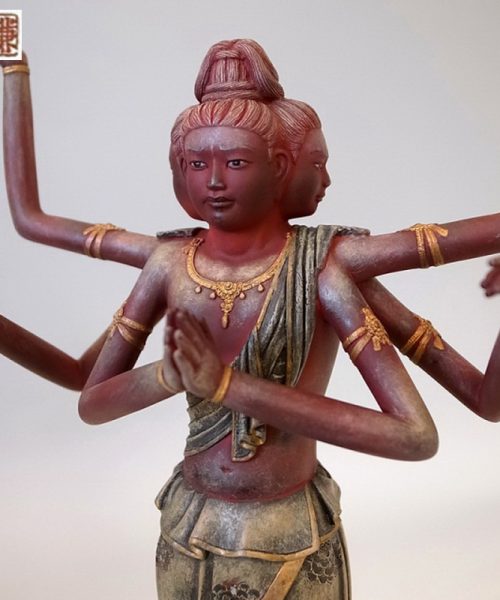
Japanese Buddhism Art
$495
6. Iga Ninja Museum
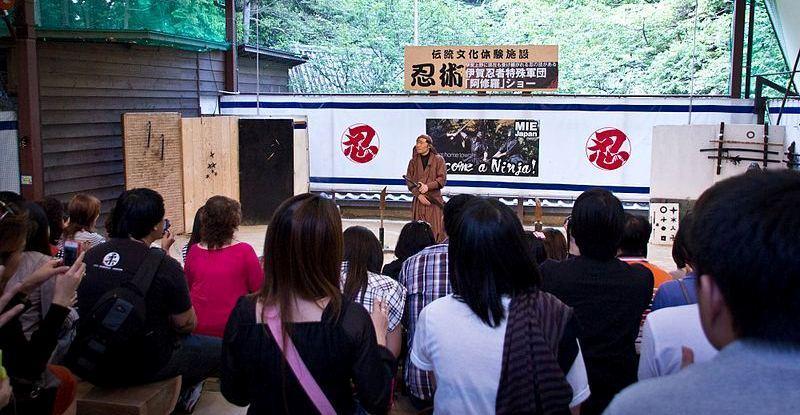
Located in Iga Ueno, this museum is in the Iga School of Ninjutsu. Small as it is, it gives visitors a comprehensive Iga Ninja experience. Specifically, it houses a Ninja residence, exhibition halls, and a stage hosting Ninja shows.
Looking ordinary from the outside, Ninja residence surprises visitors as they enter. Revolving walls, trap doors, and hidden compartments are waiting inside. Fortunately, there are tour guides who provide explanations on everything.
Meanwhile, the exhibition halls display Ninja tools, gadgets, costumes, and weapons. They also explain the Ninja lifestyle and the practical techniques they used. Posts written in Japanese provide English translations.
Finally, the shows demonstrate authentic Ninja skills and weaponry, including Shurikenjutsu. Everything is in Japanese but action speaks for itself in a way that even foreigners can relate to.
7. Odawara Castle
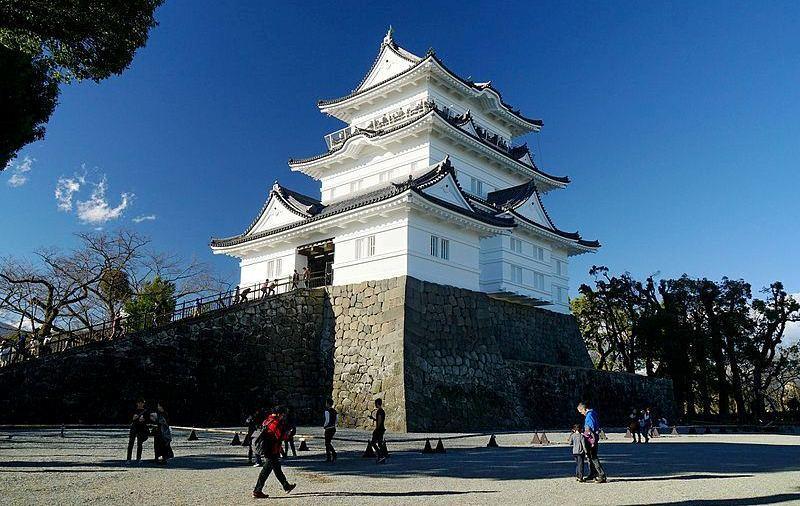
This castle traces its original building in the 15th century. For several times, it has experienced natural destructions and enemy attacks. However, it has survived due to reconstruction efforts.
The keep is 3 storeys on the outside and 4 on the inside. Aside from the history it exhibits, it displays swords, armor, and other weapons. Meanwhile, one can enjoy a nice view of the park and the surrounding city on the top floor.
A historical museum is also present, providing a more comprehensive history than what the keep gives. Japanese interactive displays and films come with English translations.
One thing visitors love about the place aside from the buildings is its nature. Particularly, cherry blossoms and several other flowers fill every street corner. There is also a refreshing view of a river with a bridge to cross.
8. Matsuyama Castle
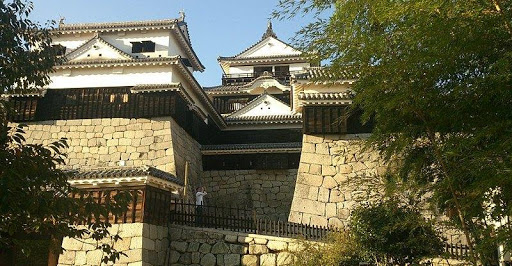
One of Japan’s castles surviving the feudal era, this locates itself on Mount Katsuyama. It gives a bird’s eye view of Matsuyama and the Seto Inland Sea.
Its original construction dates back between 1602 and 1628. However, experiencing several destructions, the current tower had its rebuilding in 1820.
The main circle of defense is an excellent example of a feudal castle. They name this Honmaru, accessible through multiple, well-defended gates.
Beautiful Places in Japan to Feel like a Samurai
Samurai Culture
Owning a Samurai Sword
Meanwhile, the main keep boasts of its multiple wings as it is one of only a few in the country. Moreover, a secondary keep and multiple turrets give the castle its grand appearance.
In addition, the castle exhibits historical information about Matsuyama and the feudal period. It also provides a collection of swords and armor of the Matsudaira Samurai clan.
Though the castle situates itself on a steep hilltop, it is easily accessible. Its ropeway and chairlift make the adventure exciting. The chairlift ride, particularly, is a popular means to climb Mount Katsuyama.
9. Nijo Castle
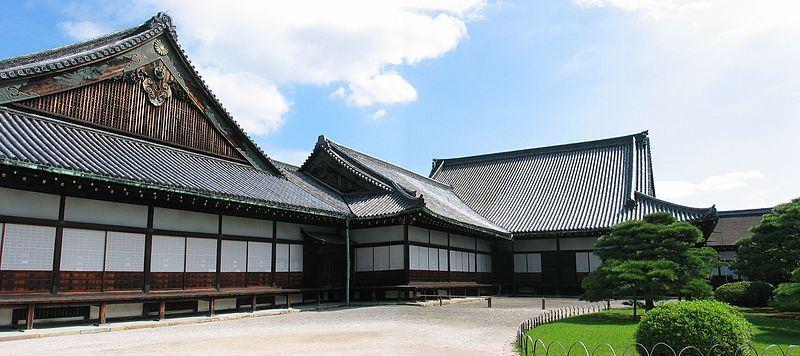
Tracing its beginnings in 1603, this served as the residence of the Tokugawa Ieyasu. After the fall of the Shogunate in 1867, the castle served as an imperial palace.
The palace has proven to be a surviving example of Japan’s feudal castle architecture. Thus, it received recognition from UNESCO as an international heritage site in 1994.
The castle’s circles of defense are Honmaru and Ninomaru. The former is the main and the latter, the secondary. Surrounding them are gardens, stone walls, and moats.
10. Shimabara Castle
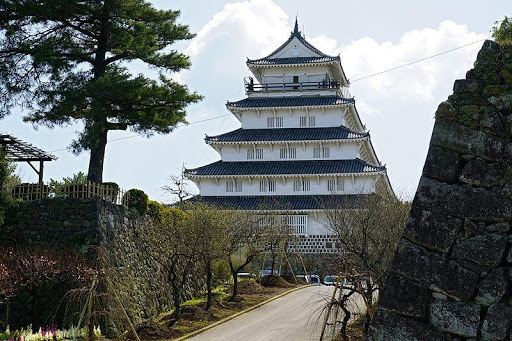
This castle was the seat of a local feudal lord in the early Edo Period. Meiji Period destroyed it around late 1800s, hence, its reconstruction in 1964.
Now, the 5-storey keep houses a tower museum containing a collection of Christian artifacts. Excavated from the castle ruins, these artifacts include weapons and armor.
Another museum exhibits the artwork of sculptor Kitamura Seibo, who built the Nagasaki Peace Park statue. Still, additional museums feature 20th-century items, sightseeing on a volcanic eruption, among others.
The City of Swimming Carp is also an interesting area in the town. It is a silent community having waterways fed with filtered spring water. As the name implies, hundreds of brightly colored carp swim here. This water also passes through Mount Unzen’s volcanic layers.
Samurai Hoodies


Sale!

Original price was: $69.$58Current price is: $58.
Sale!

Original price was: $69.$58Current price is: $58.

Sale!

Original price was: $69.$58Current price is: $58.
Sale!

Original price was: $69.$58Current price is: $58.

Sale!

Original price was: $69.$58Current price is: $58.
Sale!

Original price was: $69.$58Current price is: $58.

Sale!

Original price was: $69.$58Current price is: $58.