
No products in the cart.

Japan History
The Nine Famous Samurai Clans in Feudal Japan
16
Jul
Jul
Samurai Clans
Samurai lived by Samurai clans during Feudal Japan. By definition, a clan consists of their blood-relatives that have bonded through trust and have formed strong foundations.
Of course, every group has a leader. In a clan, the priest of the group is the highest position. They practice a form of worship to their ancestors known as Shinto.
Samurai are known to have a lord or with a clan, trained with strategizing and military tactics. Of course, it wasn’t a secret that some Samurai clans stronger than others.
Conflicts among Samurai clans were really uncommon. Here are some Samurai clans you just might want to know about.
Number 1: The Hojo Clans

Hojo clans are two separate powerful Samurai clans that rose to dominance in different eras. Even with this, both clans were great and left a very remarkable scar in medieval Japan.
First is the Hojo of Kamakura. It reached its epitome of power during the 13th Century. The head of Hojo became the warlord or Shogun who was able to experience ruling Japan on behalf of the emperor.
Hojo clan ruled Japan for over a hundred years. Unforunately, the Emperor who wanted to gain his control back, overthrew the clan in the 1330s.
The second is Hojo of Odawara. It was once a very powerful force in eastern Japan during the 16th Century wars. They were the last clan who held out against Toyotomi Hideyoshi’s dominance.
Japanese Buddhism Art
$495
Historical Samurai Statues
$1,980
Out of stock
Historical Samurai Statues
$400
Historical Samurai Statues
$450
Japanese Buddhism Art
$250
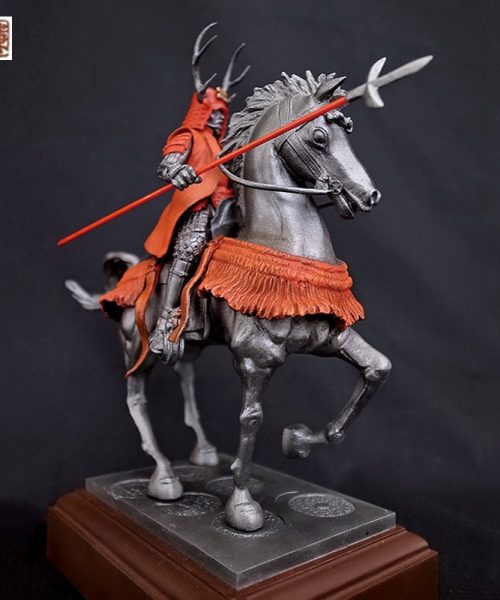
Historical Samurai Statues
$195
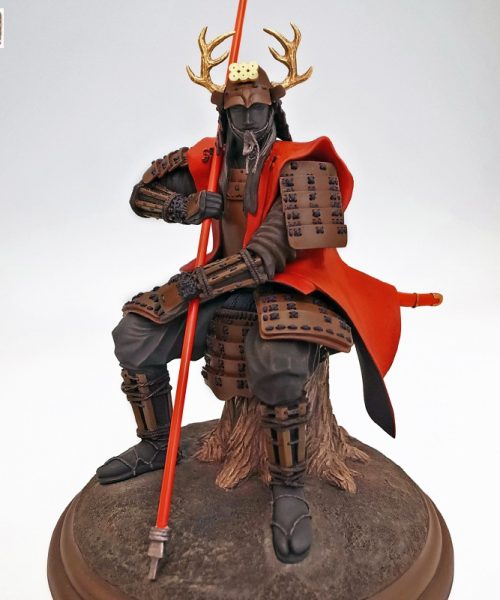
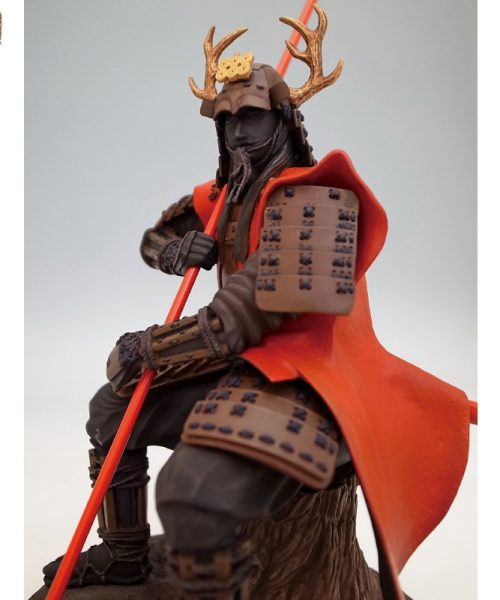
Out of stock
Historical Samurai Statues
$450
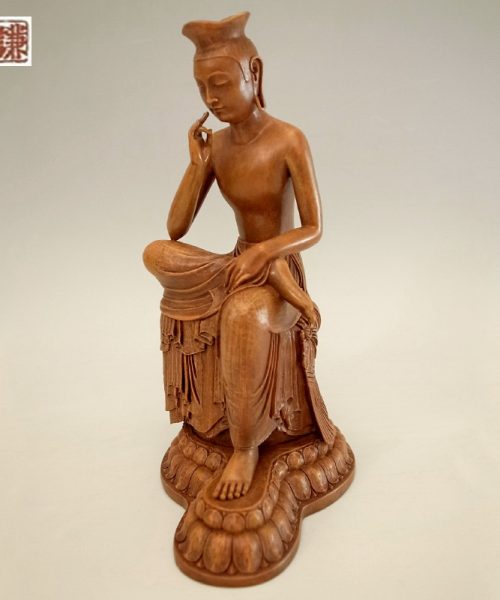
Japanese Buddhism Art
$250
Historical Samurai Statues
$195
Out of stock
Historical Samurai Statues
$3,900
Historical Samurai Statues
$195
Historical Samurai Statues
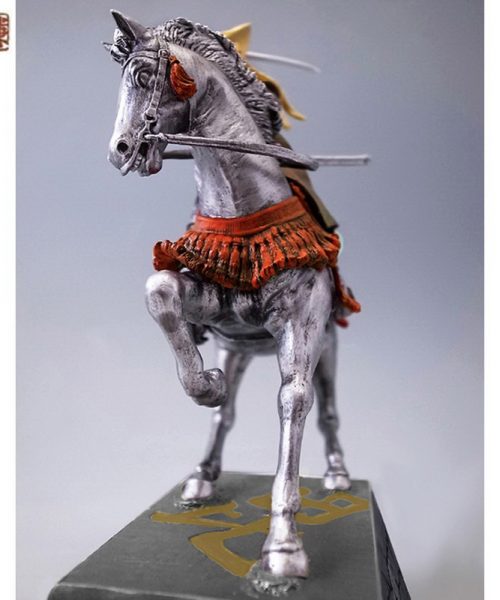
Statue of Uesugi Kensin in Kawanakajima Battle – Samurai Statues
$275
Hojo of Odawara clung to their independence even as they had to withdraw to their great fortress. Eventually, the clan fell after the siege in the 1950s. This also symbolized the end of the warrior clans’ independence.
Both clans were known to be greater builders. These two were actually considered greater than most Samurai clans in their time.
They were famous for damage repairs for castles made cheaper and very affordable. Thus, making through to gain a good reputation among the high class Japanese.
Hojo clan were also able to produce cheaper, yet better, siege weapons. The Hojo clan always had a strategy in occupying lands and conquering. Gradually, the clan rose through ranks of power.
Being the strategists, they made use of the civil war, taking advantage of troubles of others.
Number 2: The Minamoto Clan

Minamoto clan came from eastern Japan. They had a lot of enemies such as the Taira clan. These two have descended from the imperial family; yet, they have hated each other since the beginning.
The Minamoto clan was one of the prestigious Samurai clans during the Heian period. Almost all Shogun claimed to have descent from the clan. It was one of the four dominating Samurai clans during the Heian politics and court society.
Originally, the Emperor gave the surname Minamoto. At first, the clan served as agents for the court, protecting the state borders and capturing rebels.
Minamoto clan is famous for defeating the Taira clan during the Genpei War of 1180-1885 CE. If that isn’t enough, the clan is also where Minamoto no Yoritomo, the first Shogun ruler of Japan, originated from.
This marked the rise of the Samurai class and the start of the 600-year period that Japan would be under the Samurai rule.
Number 3: Taira Clan
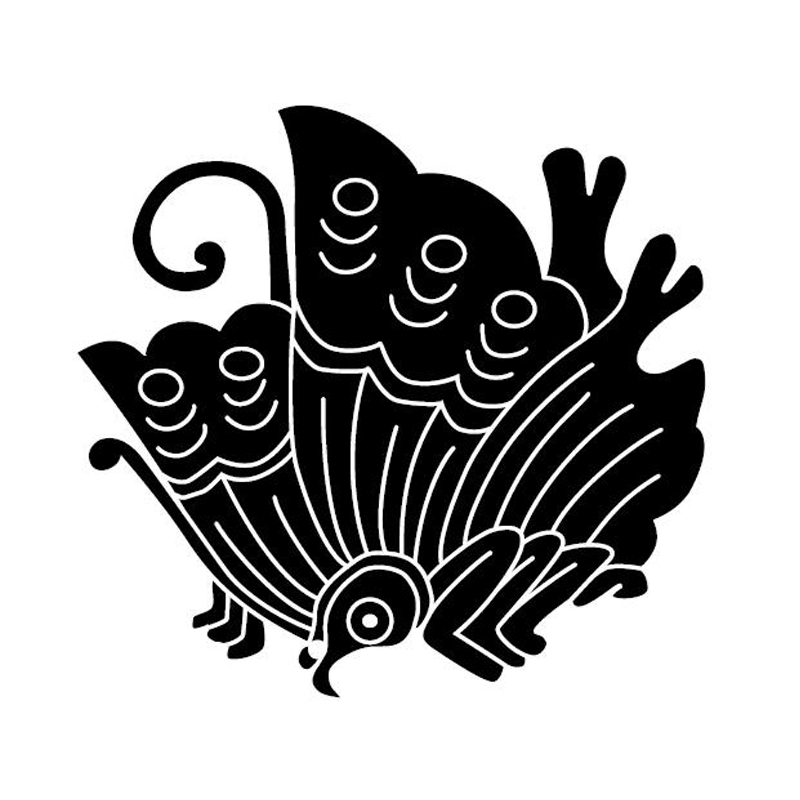
The next on the list is the Heike or Taira family. This Japanese Samurai clan had great influence and power during the 12th Century.
It is said that it was in 825, when the name Taira was given to the the 50th Emperor at the time. Between the years of 1156 to 1185, Taira clan held the high positions in the Imperial court.
Unfortunately, after 1185, the clan’s power ended due to their defeat in the sea battle of Dan-no-Ura. This led their warriors to commit Seppuku.
Their suicide is considered as one of the largest suicides in Samurai history. Due to the epic downfall of their clan, legends began stirring about ghosts in the site where the battle immersed.
10 Samurai Books You Should Read
The 10 Most Famous Samurai
Samurai in the Medieval Period
Top 4: Ashikaga Clan
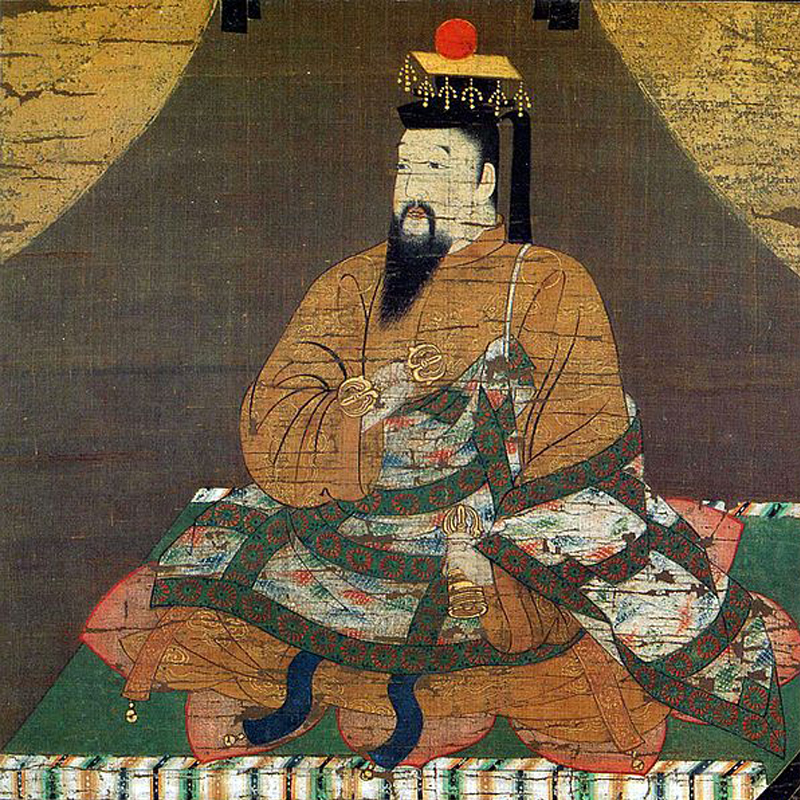
The next clan was one of the several families to have the honor to hold the Shogunate title. Ashikaga Clan emerged to power during the 1330s.
Ashikaga Takauji, leader of the clan, assisted Emperor Go-Daigo to regain control of Japan from the Hojo clan.
After the success of their plan, Takauji felt really disappointed with the rewards that he received for his service. This then led for him to scheme a war to steal power from the Emperor; therefore installing himself as Shogun.
Eventually, his family was brought down and failed to gain control of the country.
Top 5: Ouchi Clan
V Neck Samurai T-Shirts
$32
Sale!
Clothing
Original price was: $38.$28Current price is: $28.
$32
Sale!
Original price was: $38.$28Current price is: $28.
$32
Sale!
Clothing
Original price was: $38.$28Current price is: $28.
$32
Sale!
Clothing
Original price was: $38.$28Current price is: $28.
$32
Sale!

Original price was: $38.$28Current price is: $28.
Sale!
Original price was: $38.$28Current price is: $28.
$32
The next clan is from a Korean descent in the 611. The Ouchi clan has played a major part in Japan’s politics for almost 900 years. In the 1500s, their leader Yoshioki helped restore a deposed Shogun.
During a time when one of his retainers began rebelling against him, other Samurai rallied to his side. This caused Yoshioki and his son Yoshitaka to both commit Seppuku, therefore ending the line of the Ouchi Clan.
Top 6: The Mori Clan

The Mori Clan were famously known as the Vassals of Ouchi. After avenging their masters’ death via a surprise attack against the traitor retainer, they then moved on to become a powerful clan.
During the Edo period, the Mori clan under the Tokugawa Shogunate became Daimyo of the Choshu Domain. After the Meiji restoration and the eradication of the Han system and Daimyo, the Mori clan became a part of the new nobility.
Number 7: The Imagawa Clan
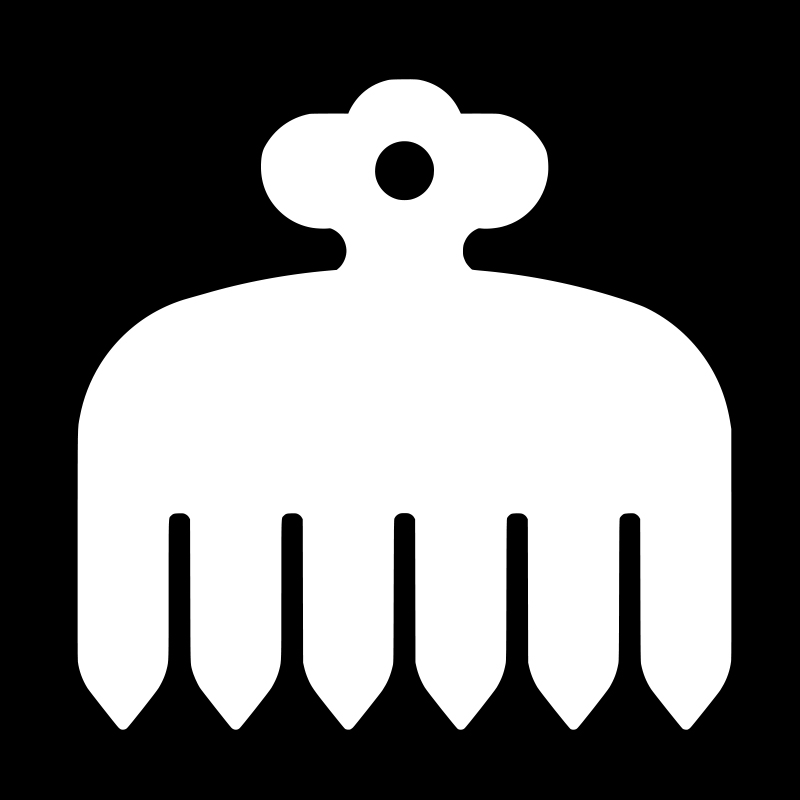
Another notable clan is the Imagawa clan. It is one of the four Samurai clans who vied to control the Eastern part of Japan during the 1500s. They used everything they can for wars: marriage, battles, schemes, just so they can dominate against their opponents.
Unfortunately, they were stripped of their power and authority. Doomed and overwhelmed by the rise of one of Japan’s most famous Samurai, Oda Nobunaga.
Number 8: The Takeda Clan

The next clan on the list was the arch rival of Imagawa clan. The Takeda clan felt unimaginable success under their leader Takeda Shingen.
Takeda Shingen was a very effective leader. He was able to extend his clan’s territory and become a famous conqueror.
Unlike many before him, he was able to maintain the balance of providing enough supplies to his warriors and to the workers in the rice fields to feed those he is responsible for.
Number 9: The Asakura Clan
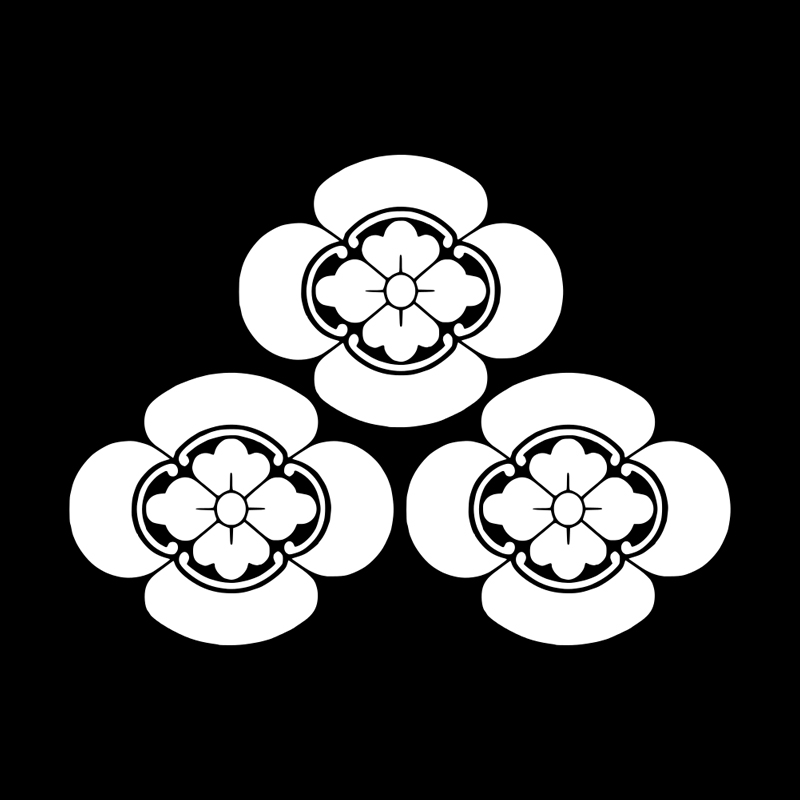
Another clan to have vied for power in the 16th Century was the Asakura clan.
Their leader, Asakura Yoshikage, had achieved victory significant to history in 1562. This was when he was able to beat the religious warrior cult Ikko-Ikki, and prevented their expansion.
In order to gain more power, he then made his daughter marry the leader of the occult making him untouchable. After that, he competed against the rising power Oda Nobunaga.
Unfortunately, Nobunaga defeated Asakura in the Battle of Anegawa in the year 1570. This conflict between the two went on and Asuka made alliance with Nobunaga’s enemies.
In 1573, Asuka was intercepted by Nobunaga while finding allies. This led to Yoshikage committing Seppuku, which marked the end of his clan’s conflict with Oda Nobunaga.
Samurai Clans: Family names really do matter!
This is just an example of how much family names or Samurai clans really matter during Feudal Japan. They fight for it, and they use it as their flag to be known throughout provinces. This proves that their name have power and that it goes to show just how much respect it can earn.