
No products in the cart.

Japan History
Ten of the Greatest and Most Famous Samurai
23
Jul
Jul
Greatest and Most Famous Samurai
Most of us have grown following the Samurai. Their history and legacy have always fascinated us. How exciting it is to know ten of the greatest of them! Here are ten of the greatest and most famous Samurai:
1.Oda Nobunaga
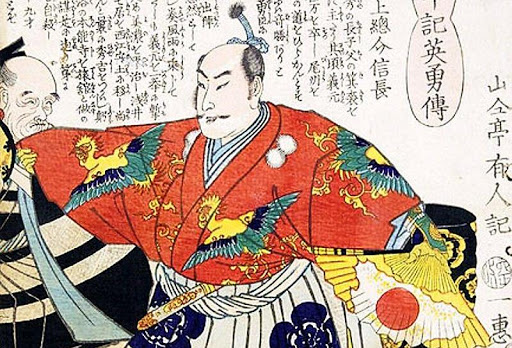
Oda Nobunaga was one of the greatest Samurai warriors one could easily recognize in Japanese history. Living from 1534 to 1582, this powerful Daimyo attempted to unify Japan during the Warring States Period.
In fact, he was one of the three unifiers along with Toyotomi Hideyoshi and Tokugawa Ieyasu. As a result, he successfully gained the most control of Honshu.
Oda had this character of being brutal especially to his predetermined opponents. He would right away kill those who refused to heed his principles and demands. Nevertheless, he had accomplished much during his reign. He innovated the military tactics, fostered free trade, and paved way for the Momoyama Historical Art Period.
Unfortunately, Akechi Mitsuhide killed him at Honnō-ji as a form of rebellion against him.
2. Toyotomi Hideyoshi
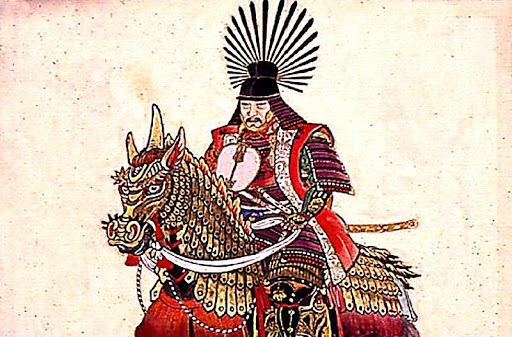
Hideyoshi was a Daimyo, warrior, general, Samurai, and politician of the Warring States Period. Being Oda Nobunaga’s successor, Japan regarded him as the second greatest unifier.
He was born in a peasant family. As such, his battlefield skills enabled him to gradually rise in power.
His rule was known as the Momoyama Period which marked the end of the Warring States Period. During this term, only the Samurai could bear arms. The financing of the construction and rebuilding of many temples in Kyoto was his initiative as well. Moreover, he constructed the Osaka Castle and led battles against China and Korea.
Unexpectedly, he died in 1598. Following this was the displacement of his son Hideyori by Tokugawa Ieyasu.
3. Miyamoto Musashi
Japanese Buddhism Art
$250
Out of stock
Historical Samurai Statues
$400
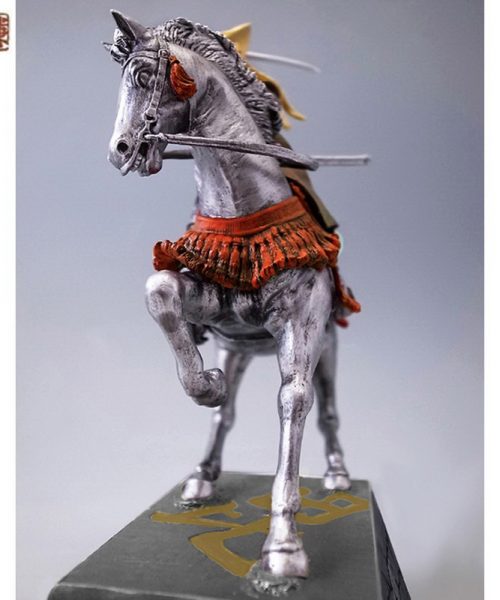
Historical Samurai Statues
Statue of Uesugi Kensin in Kawanakajima Battle – Samurai Statues
$275
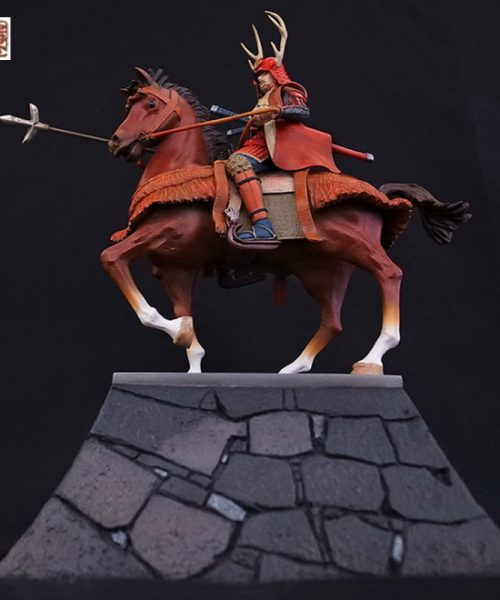
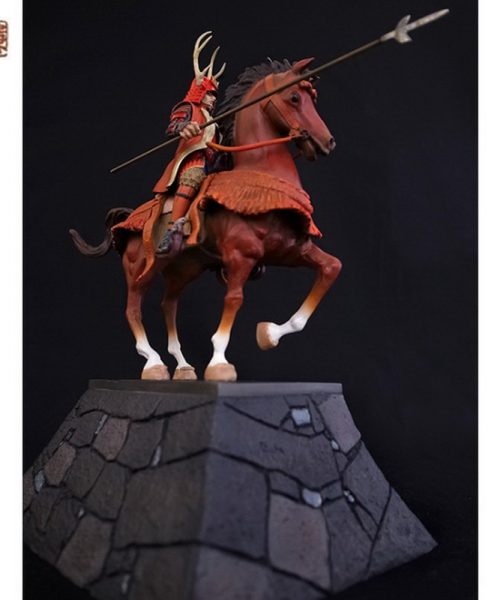
Historical Samurai Statues
$450
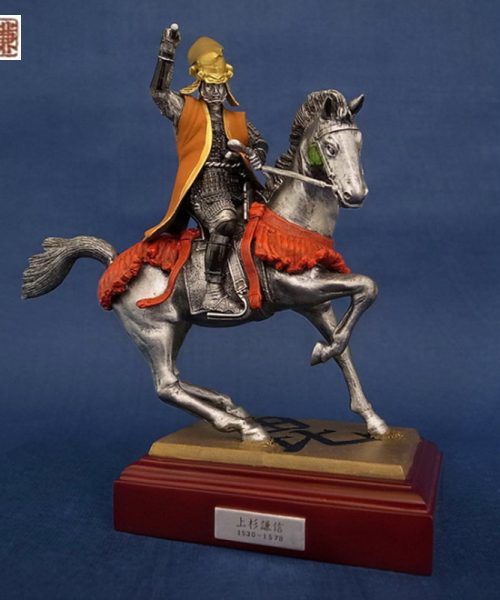
Historical Samurai Statues
$195
Japanese Buddhism Art
$1,850
Historical Samurai Statues
$195
Historical Samurai Statues
$195
Historical Samurai Statues
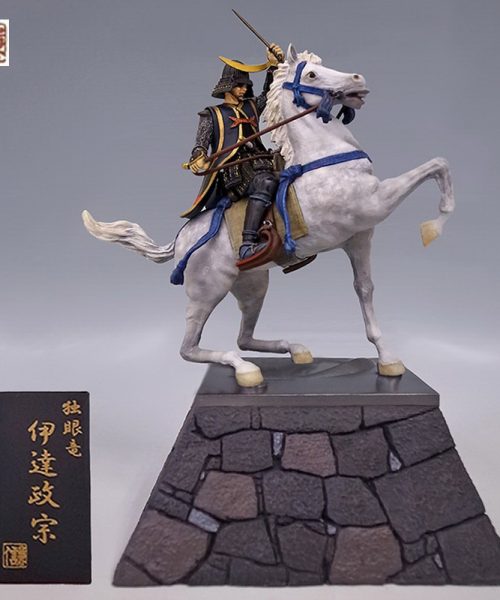
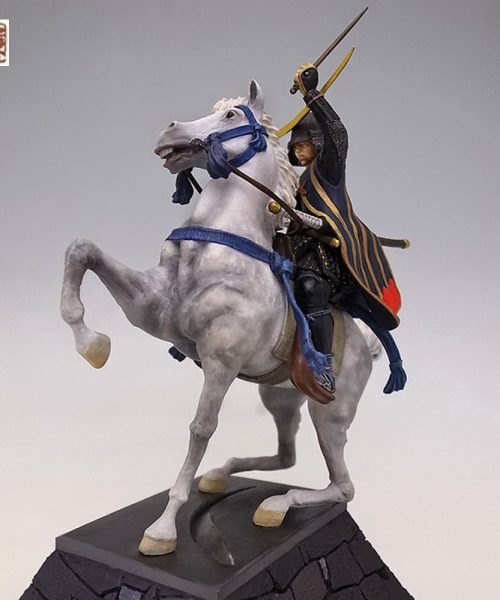
Date Masamune Riding a Horse Statue (450 Years Birth anniversary Edition)
$450
Historical Samurai Statues
$1,195
Historical Samurai Statues
$1,980
Japanese Buddhism Art
$495
Also named Miyamoto Bennosuke, Musashi was a swordsman, philosopher, writer, and Samurai. He became well-known for his unique double-bladed swordsmanship. With this, he topped 61 duels with an undefeated record. Hence, he obtained the title Kensei or sword-saint of Japan.
Eventually, he founded his own school teaching a swordsmanship style known as Nito-Ichi-ryū. For this, he wrote the books Dokkōdō and the famous The Book of Five Rings. The latter described the character of the swordsmanship method while the former elaborated the philosophy behind such instruction.
Having made his first duel at 13, he won several of such against powerful opponents later on. The most remarkable one was against the famed swordsman Sasaki Kojiro who he eventually killed in 1612.
4. Honda Tadakatsu
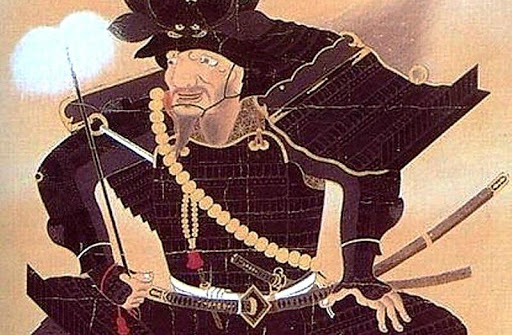
Honda Tadakatsu was a Samurai and general who then became a Daimyo of the Sengoku and Edo periods.
One of Japan’s greatest warriors, he joined about a hundred battles without defeat at all. He used the Dragonfly Cutter as his major weapon. This spear would always put his enemies in trembling fear.
For this, people dubbed him as “the warrior who surpassed death itself”. Consequently, he earned his position among the Four Heavenly Kings of Tokugawa.
Top 4 Samurai Inspired Anime
Japanese Warrior Swordsmanship
How to Live Like a Modern Samurai
Honda’s reputation gained compliments from some of the most influential icons. Specifically, Oda Nobunaga called him a “Samurai among Samurai”.
Moreover, Toyotomi Hideyoshi considered him and Tachibana Muneshige the best Samurai in the east and west, respectively. Finally, Takeda Shingen noted him as “a luxury of Tokugawa Ieyasu”.
5. Takeda Shingen
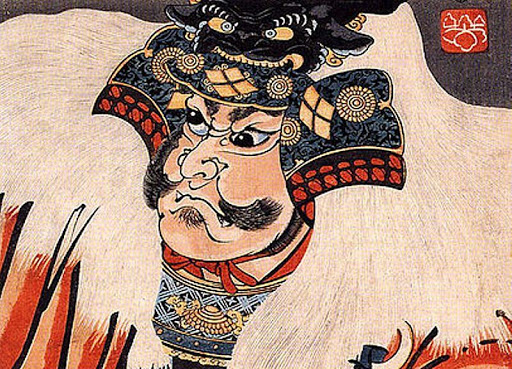
Hailing from Kai Province, Takeda Shingen was a preeminent Daimyo with remarkable military reputation. He lived both in the Medieval Era and the Sengoku Period.
People called him the Tiger of Kai as he was a fearsome warrior who fought in numerous battles.
One of these was the fourth battle of Kawanakajima. During this fight, he had a single combat with his rival Uesugi Kenshin. He defended himself using an iron war fan or Tessen while the opponent used a sword. Both lost many of their men.
In some other time, he also had a fight with the great Oda Nobunaga and fortunately defeated him.
Unfortunately, though there was no clarification yet regarding this mystery, he died in 1573.
6. Hattori Hanzo
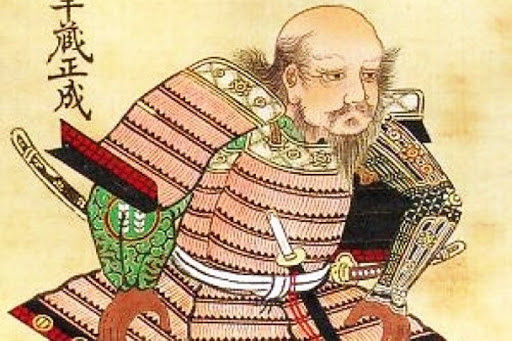

Hattori Hanzo, or Hattori Masashige, was a Bushi Samurai of the Sengoku Period.
A Samurai but also Shinobi, he was the leader of the Iga Ninja clan. In all fairness, he served both equally. With respect to Tokugawa Ieyasu, he completed his duties for the clan.
With spear as his primary weapon, people regarded him for his fighting skills. With this, he once saved the life of Tokugawa Ieyasu and even helped him become the ruler of united Japan. He got a credit for this.
Hanzo became the inspiration for a lot of fictitious warriors that emerged in the literature. Also, he was a popular subject of various portrayals in modern pop culture.
7. Tokugawa Ieyasu
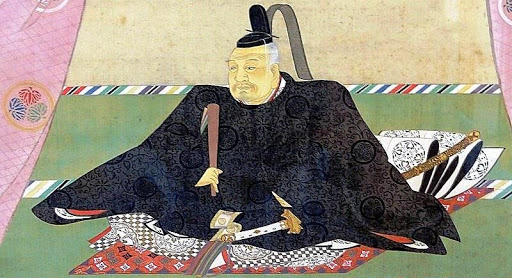
Ieyasu was the founder of the Tokugawa Shogunate and thus was its first Shogun. Particularly, he defeated the Toyotomi clan and took over the rule in 1600. However, it was in 1603 when he served as the Shogun. Abdicated in 1603, he remained in power until 1616.
Allying with his former lord Oda Nobunaga and his successor Toyotomi Hideyoshi, he became one of Japan’s three unifiers.
One thing that set him apart from other warriors was his intellect. In fact, he was more flexible with his brain than his sword. With this, he won the Battle of Sekigahara against the Toyotomi clan in 1600 as mentioned earlier. Also, during this time, he brought the country into a new era of peace.
Sadly, he faced his death in 1616.
8. Uesugi Kenshin
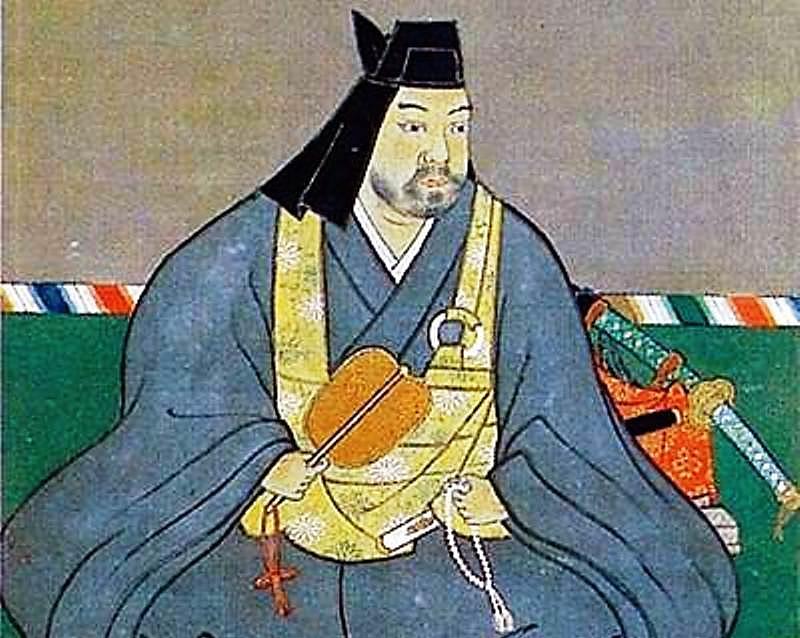
Uesugi Kenshin was a Daimyo with the birth name Nagao Kagetora. He ruled the Echigo Province in the Sengoku Period after his adoption into the Uesugi clan. A fierce warrior and leader of the Nagao clan, he became known as the Dragon of Echigo.
A powerful Daimyo of the Sengoku Period, his battlefield prowess became so remarkable. For instance, his competition with Takeda Shingen was famous. For several years, they have always engaged in single combats.
In addition, people regarded him as an extremely skillful administrator for fostering the growth of local industries and trade. Hence, his leadership made a rise in Echigo’s standard of living.
9. Date Masamune
V Neck Samurai T-Shirts
$32
$32

$32
Clothing
$32
Sale!
Clothing
Original price was: $38.$28Current price is: $28.
Sale!
Original price was: $38.$28Current price is: $28.
$32
Sale!
Original price was: $38.$28Current price is: $28.
$32
Sale!
Clothing
Original price was: $38.$28Current price is: $28.
$32
Sale!
Clothing
Original price was: $38.$28Current price is: $28.
Date Masamune was a regional ruler of Azuchi from the Momoyama Period through the early years of the Edo Period. He was an heir to a long line of Daimyos in the Tōhoku region. This motivated him to found the modern-day city of Sendai.
Meanwhile, he had a missing eye. Hence, people often referred to him as the One-eyed Dragon of Ōshu. This gave him a sense of inferiority. Nevertheless, he proved to be an outstanding tactician. With this disability, he had to exert extra effort to fight in the most efficient way possible. For this reason, most of his opponents feared him.
10. Shimazu Yoshihisa
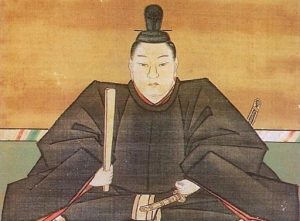
Hailing from Satsuma Province, Yoshihisa was Takahisa’s eldest son. Once he became a Daimyo of the province.
Among his accomplishments was the unification of Kyushu made possible by a campaign he led. For many years, his clan ruled a major part of the island. However, he fell into the hands of Toyotomi Hideyoshi later on. As a result, he retired and spent his remaining years as a Buddhist monk until he died.