
No products in the cart.

Bushido, Japan History
The Ups and Downs of Being a Medieval Samurai Warrior
23
Jul
Jul
Challenges of a Medieval Samurai
What were the challenges the medieval Samurai faced in life and work during the Medieval Period?
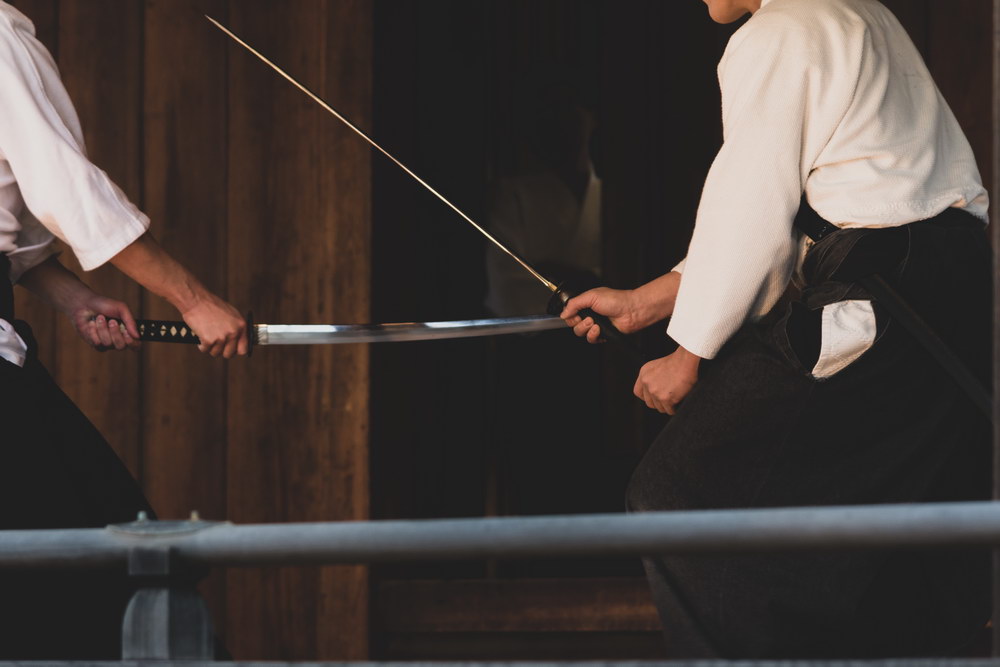
We have known Samurai to be fierce and fearless warriors. They were expert fighters equipped with sword fighting and combat skills. Also, we have known them to be consistently faithful to their Bushido.
Nevertheless, little do we know about their difficult times. Little do we realize they were humans too and they had struggles themselves.
Samurai emerged to be Japan’s richest and most famous warrior class during the Medieval Period. They served various empires to protect the Shogun.
Some of them were fortunate enough to become Daimyo or feudal lords. Some even ruled the court as emperors and empresses.
In addition, the government paid them well with rice stipend and farming assistance. In terms of social status, they belonged to the upper classes. Hence, one could always attest to how blessed one was to be born a Samurai.
Leather Samurai Wallets for Men
Sale!


Accessories
Original price was: $75.$59Current price is: $59.
Sale!

Accessories
Original price was: $79.$69Current price is: $69.
Sale!


Accessories
Original price was: $69.$59Current price is: $59.
Sale!
Accessories
Original price was: $69.$59Current price is: $59.
Accessories
$49
Sale!

Accessories
Original price was: $75.$59Current price is: $59.
Sale!
Accessories
Original price was: $69.$59Current price is: $59.
Sale!


Original price was: $89.$69Current price is: $69.
However, Samurai had to live up to their moral code, the Bushido. This unspoken code bound everything including how they lived, worked, and moved. It demanded them to uphold the 8 virtues or values for an ideal Samurai lifestyle.
And of course, among the greatest challenges of the Samurai was becoming warriors. At very young ages, they would undergo training in swordsmanship and battleship.
However, they had to equip themselves not only in the military aspect but also in education and spirituality. This had become their life for several years until they matured and were ready for war.
Still, they had families. They had to be responsible for their children, wives, servants, properties, and household duties. Whenever they would leave for war, they had to ensure the security of their homes.
Medieval Samurai: Challenges at Work
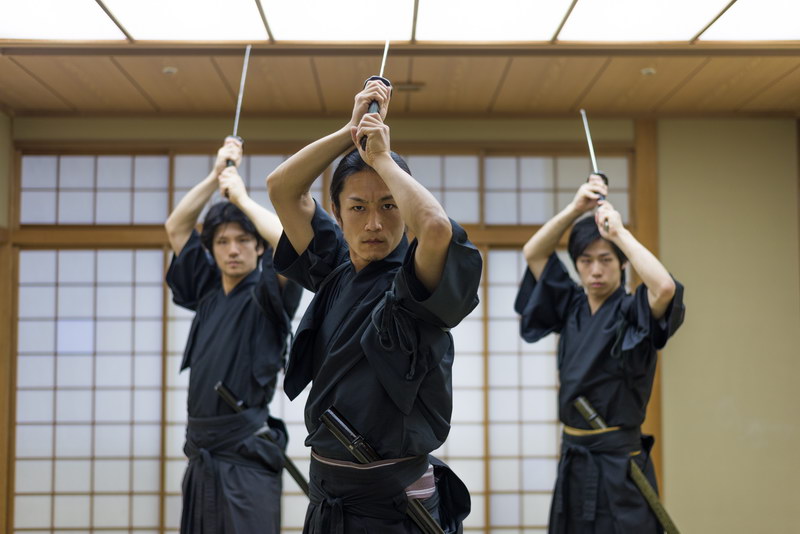
Preparation for Training
Military service was the ultimate calling of the Samurai, hence, the label “those who serve”. Living up to their mission required passion, endurance, and dedication. For this, their training was no joke.
They did not have the usual childhood like that of other children. Specifically, they could have played with their peers in the street every day. However, their parents wanted them to invest their time for military training and education.
As early as 7, they had to learn how to handle swords. They also studied literature, painting, calligraphy, and others. The tea ceremony was an important practice as well.
To be eligible for training, they had to be right-handed and male in gender. Moreover, at 12, they confined themselves to the shrines for spiritual training involving Zen Buddhist meditation.
Over the succeeding years, they had no choice but to change their names, hairstyles, and clothing. Lastly, at 18, they had to leave their families to go on their first war. With these, depression and separation anxiety might have haunted them from time to time.
Indeed, this kind of life was so difficult for them who should have enjoyed their youth.
Training
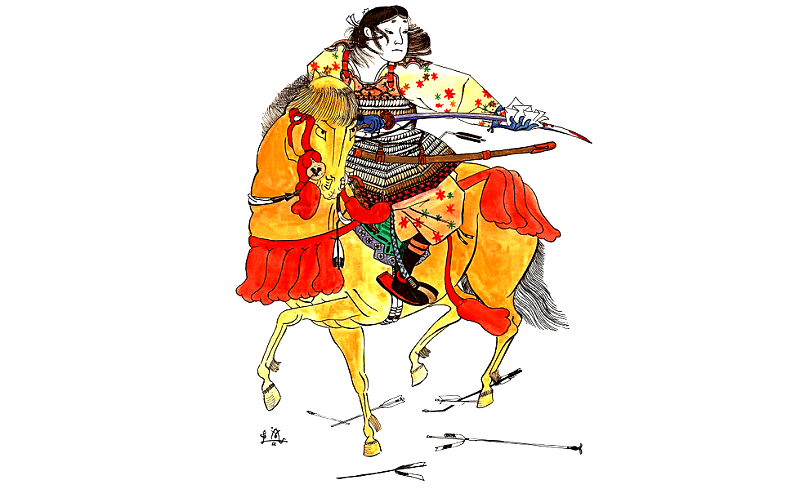
Aside from swordsmanship, their military training proved to be very tough as it required them to shoot accurately. They even had to do it while riding the horse at times.
Also, even after breaking a sword during a fight, they had to continue by arriving at a solution very quickly. In exact, they should pick up an object as an alternative sword.
Moreover, they had to master the skill of self-control to overcome tendencies of emotional breakdown, especially during battle. To test their endurance against pain and suffering, they would go on days without eating or march on bare feet.
In addition, to overcome the fear of death, they would imagine themselves as already dead. Part of the self-control exercise also was to avoid relaxing, thus keeping themselves alert, attentive, observant, and sensitive.
War
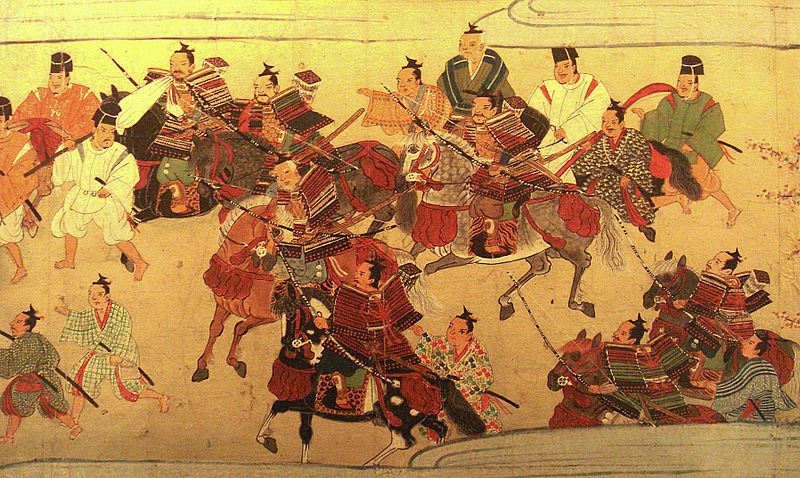
War was the primary function and business of the Samurai, especially during the Warring States Period. It consisted of many years of social upheaval and military conflict from the 15th century to the 17th.
While they had Bushido as their moral code, they also had their code of honor. Also called Kyuba No Michi, it translated to “the way of the bow and horse”.
This entailed adhering to certain formalities during the war. Specifically, the two battling camps would engage in an archery duel. Then, selected small bands of combatants would fight. A pitched battle followed with hundreds of warriors representing both armies.
In line with this, they had always desired to have a formal fight. However, the war would not allow it because it was a bloody conflict which often yielded high death rates.
Also, they lacked the time looking for worthy opponents, hence, they would appoint the nearest member of the opposition.
Reasons to Collect Samurai Weapons
Top 5 Samurai Battlefield Locations
7 Lethal Weapons of Samurai
Should one win the battle still breathing, he had to remove the head of the opponent as a ritual. Then, the women of the court would fix the hair and face to make it look presentable.
Finally, they would present it to the warlord who would reward the warrior who took the first head. In turn, his entire clan, including himself, would gain the honor. He would also obtain a sense of immortality through the success stories people passed on to future generations.
Nevertheless, the war itself was the greatest test of a Samurai. He had to remain committed to his constant. It denoted some willingness to even die for his warlord, especially if it would be a glorious death.
Medieval Samurai: Challenges in Life
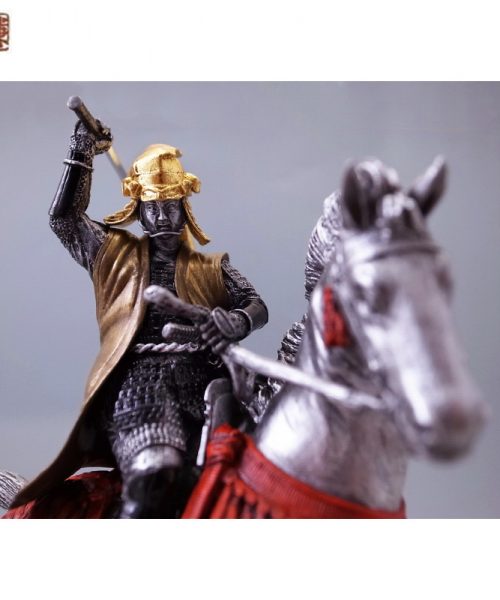
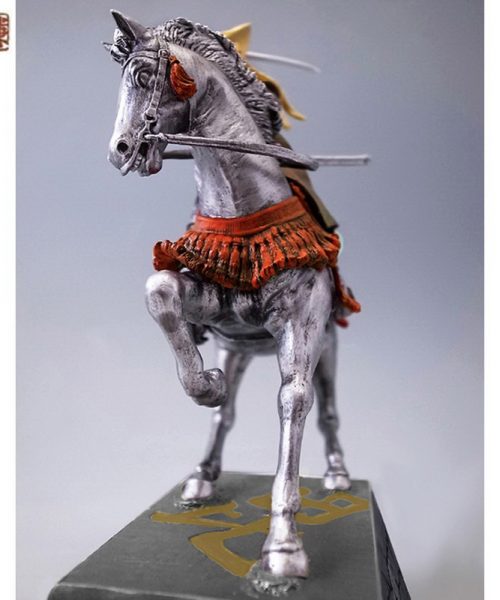
Historical Samurai Statues
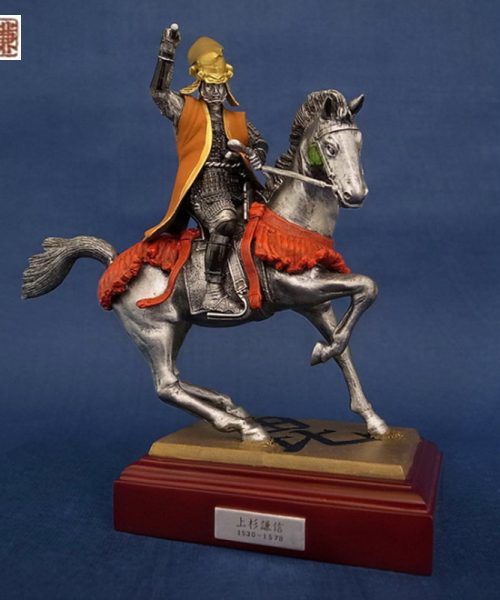
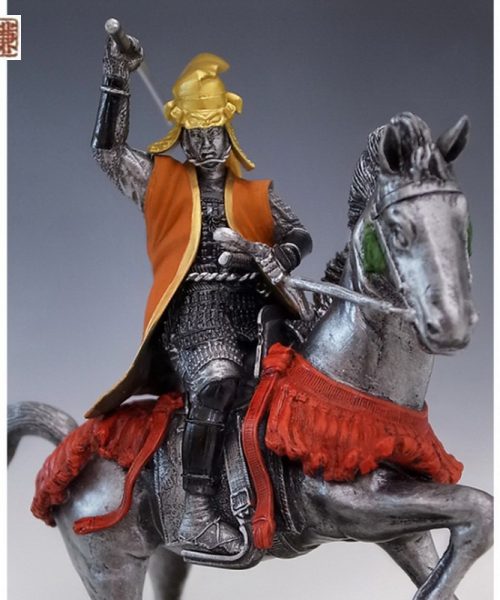
Statue of Uesugi Kensin in Kawanakajima Battle – Samurai Statues
$275
Japanese Buddhism Art
$1,850
Historical Samurai Statues
$195
Japanese Buddhism Art
$495
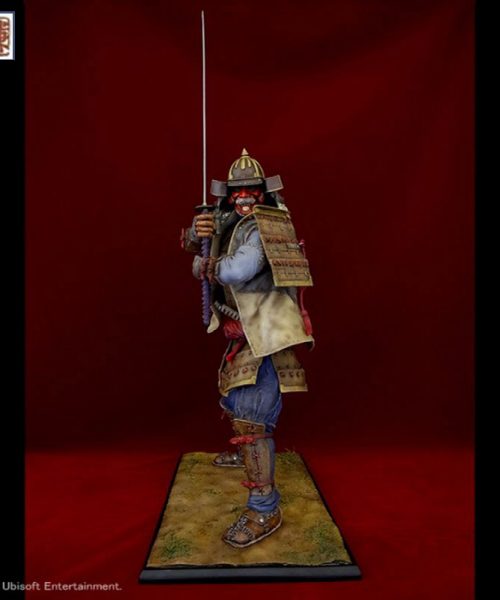
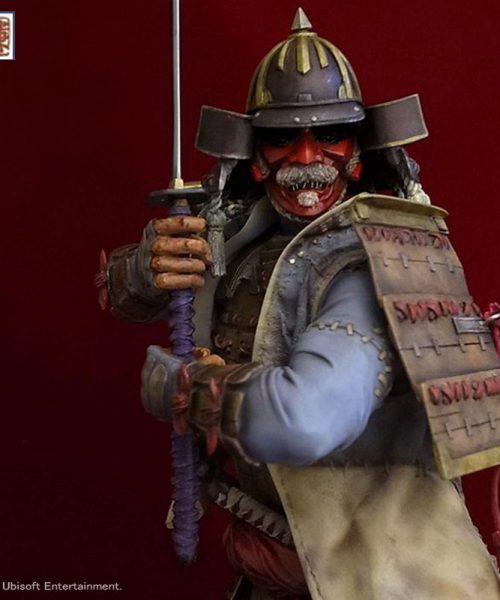
Historical Samurai Statues
$1,195
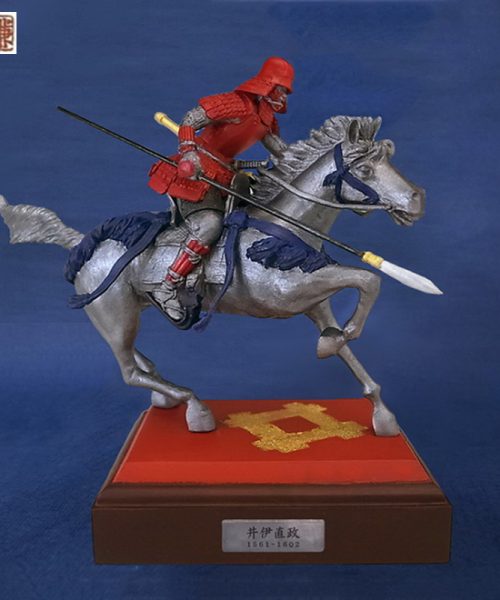
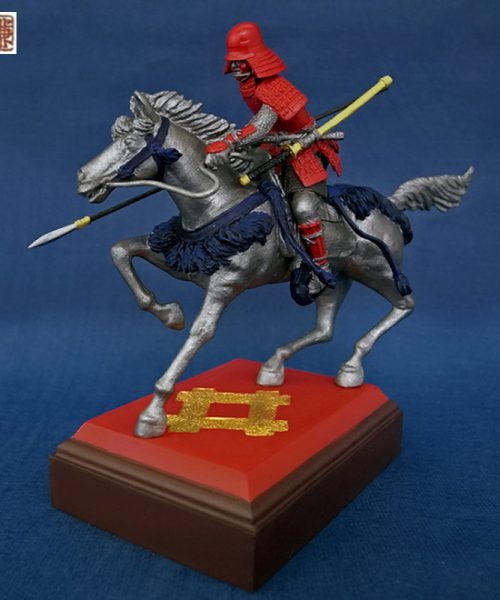
Historical Samurai Statues
$195
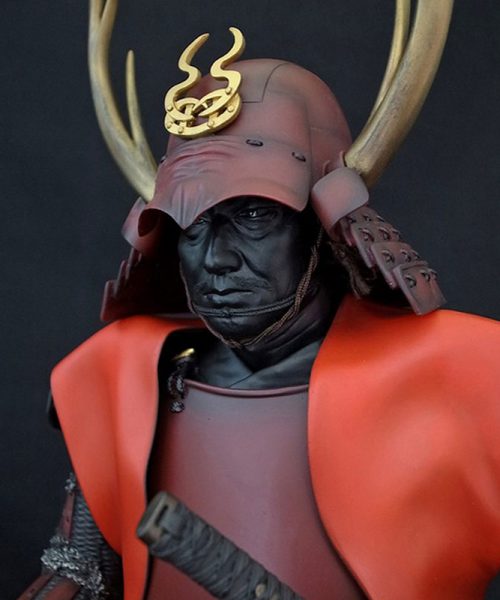
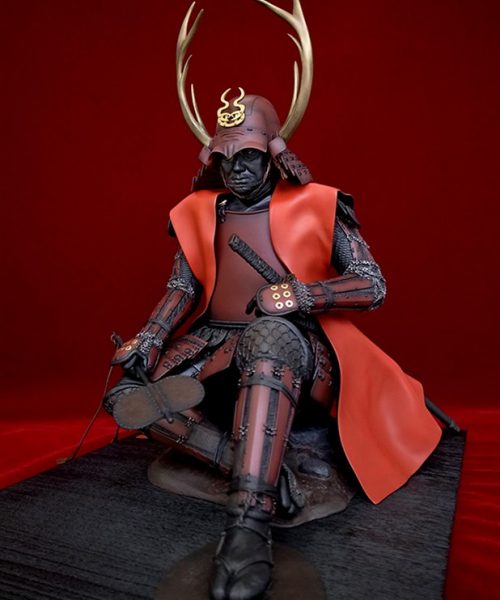
Out of stock
Historical Samurai Statues
$3,900
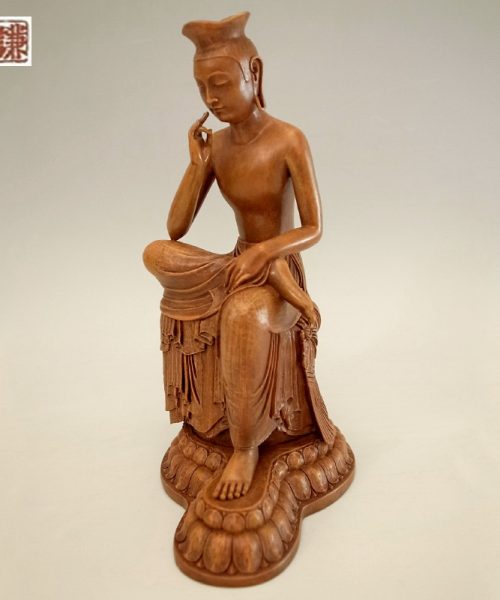
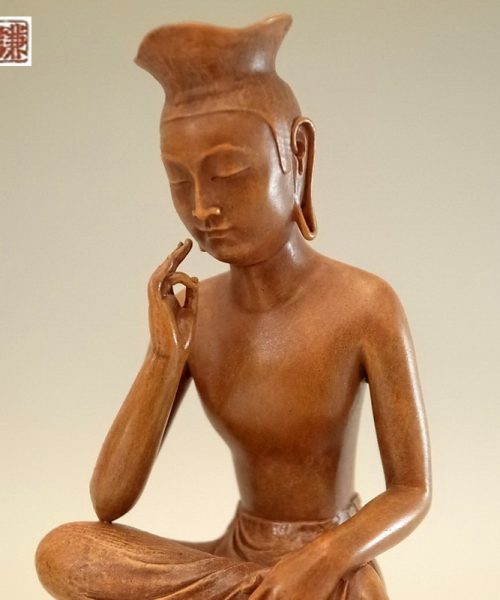
Japanese Buddhism Art
$250
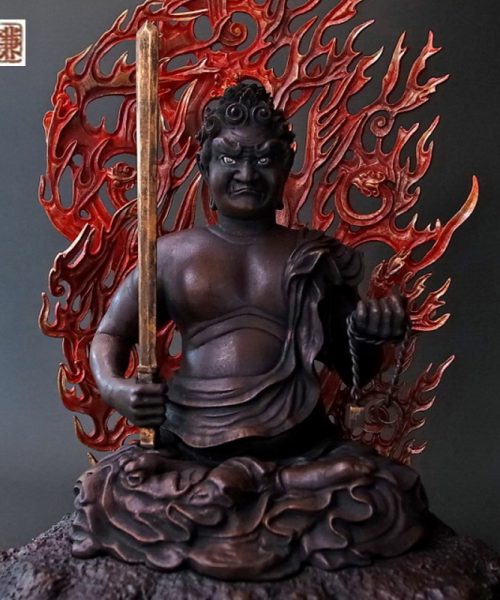
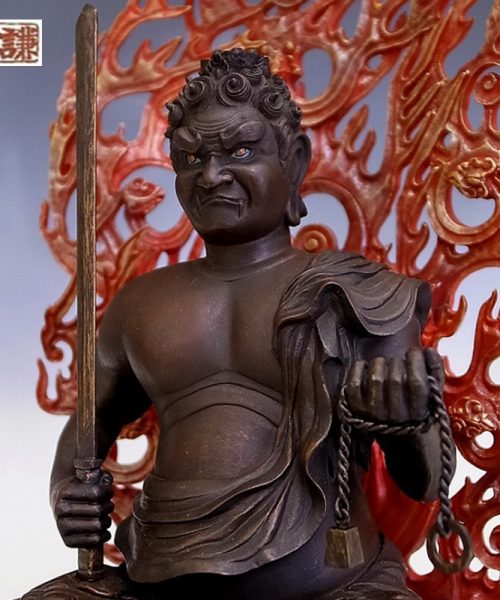
Japanese Buddhism Art
$595
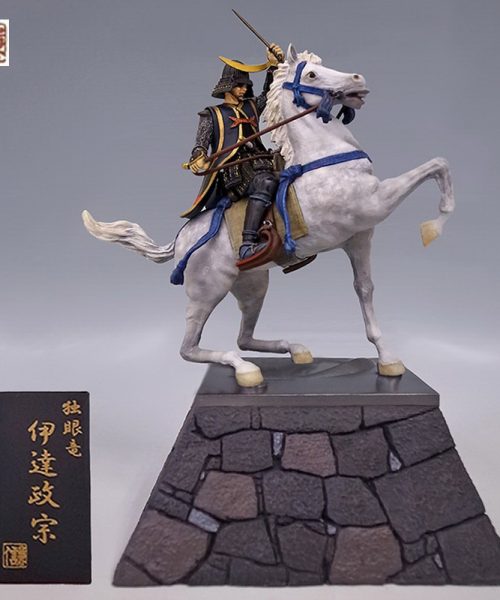
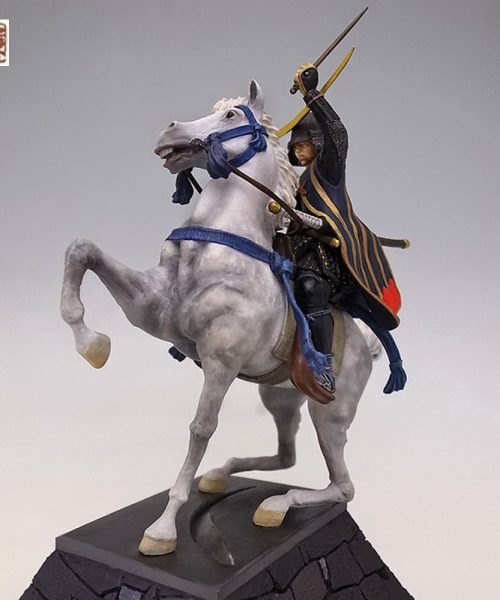
Historical Samurai Statues
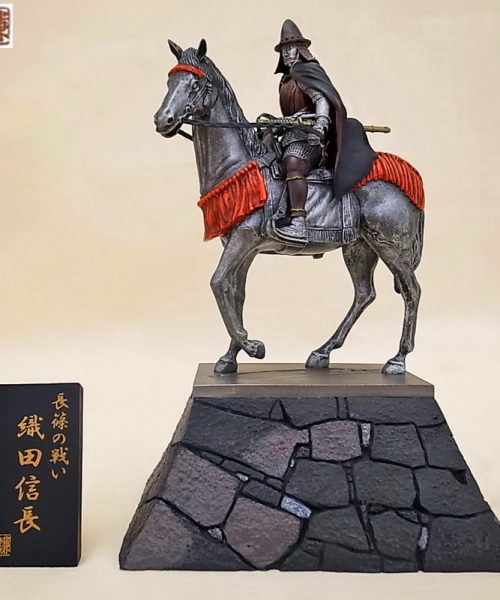
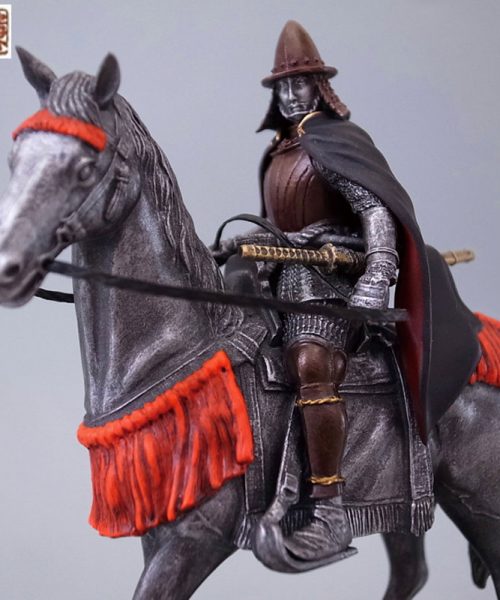
Date Masamune Riding a Horse Statue (450 Years Birth anniversary Edition)
$450
Historical Samurai Statues
$275

Out of stock
Historical Samurai Statues
$400
Bushido
Bushido served as the Bible of the Samurai. Translating as the “way of the warrior”, it is a code they had to uphold all their life. Justice, courage, compassion, respect, integrity, honor, loyalty, and self-control were its pillars of values for a noble lifestyle.
As simple as these sounded like, these were not that easy to live up to.
For instance, a Samurai had to be willing to give up his life if the battle would call for. Also, in spite of being in command and authority, a ruler had to maintain compassion for his people.
Furthermore, it was also a challenge for Samurai to resent money and wealth. It was easy for them to entertain and live in luxury. However, Bushido considered love for money a form of vain and a threat to manhood.
Hence, true Samurai would live in simplicity.
Daily Life
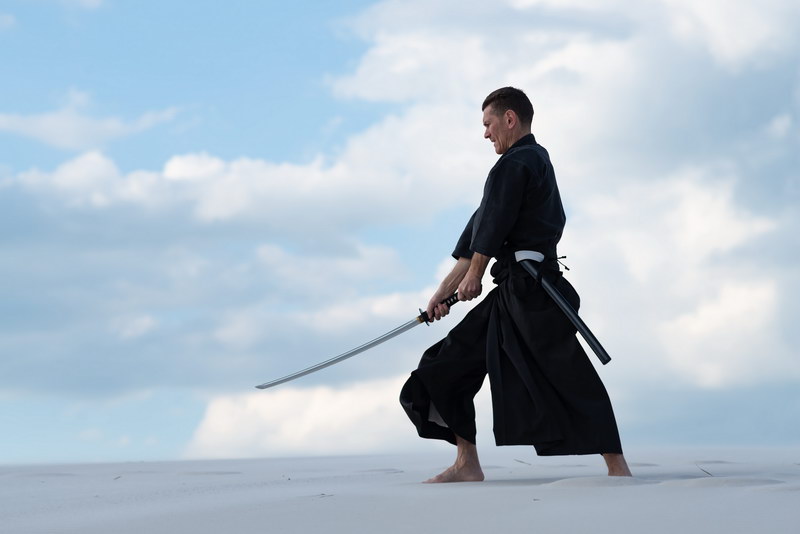
No matter how fulfilling, living each day as a Samurai could be challenging as it required discipline and commitment. For instance, in a life of a Samurai, waking up early, he would tie his hair, dress up, and fix his bed.
Breakfast followed. His diet consisted of rice and pickled vegetables. Then he made his way to the castle, patrolling with other Samurai to guard the castle walls.
In the afternoon, he would do fitness and swordsmanship training. After taking a hot spring bath, he would visit the Buddhist temple to pray.
Dinner with fellow Samurai came next. Going home, he would spend a little time with his wife and children. Yet, before sleeping, he needed to meditate.
In times of war or travel, he had no choice but to leave his family for a while. As such, his wife should also train herself in self-defense. One of her most commonly used swords was the Naginata.