
No products in the cart.

Bushido
The Dark Side of the Bushido
23
Jul
Jul
Bushido
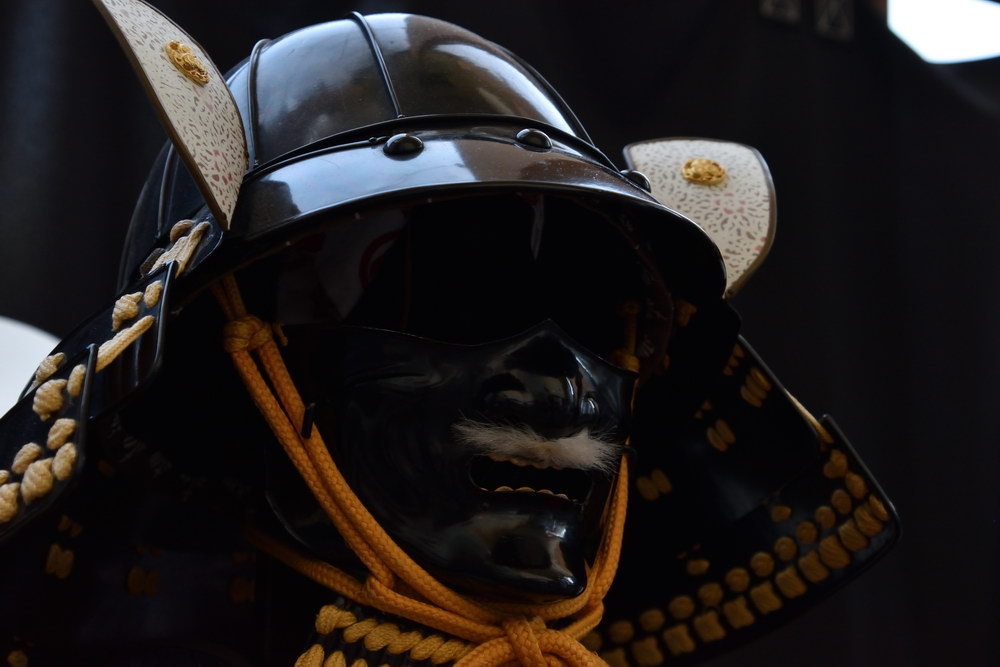
Aside from their Katana sword, Samurai warriors in Japan strictly followed the Bushido, loosely translated as “the way of warriors.” Bushido depicted a life of justice, courage, sincerity, honor and many more.
However, there was no such thing as “Bushido” in the ancient warring era of Japan. The Japanese people had no idea until the peace began.
Nowadays, what we may know of Samurai strictly following the Bushido may not be accurate. On those days, there was no evidence that proves that Samurai followed the Bushido.
Of course, saying that the ancient Samurai who lived during the Sengoku era lacked the code of honor would not be accurate either. In reality, just as all human beings, the Samurai morals varied by individual.
Unfortunately, it is true that the Samurai and Bushido were somehow romanticized.
What Is the Unwritten Code or Bushido All About?
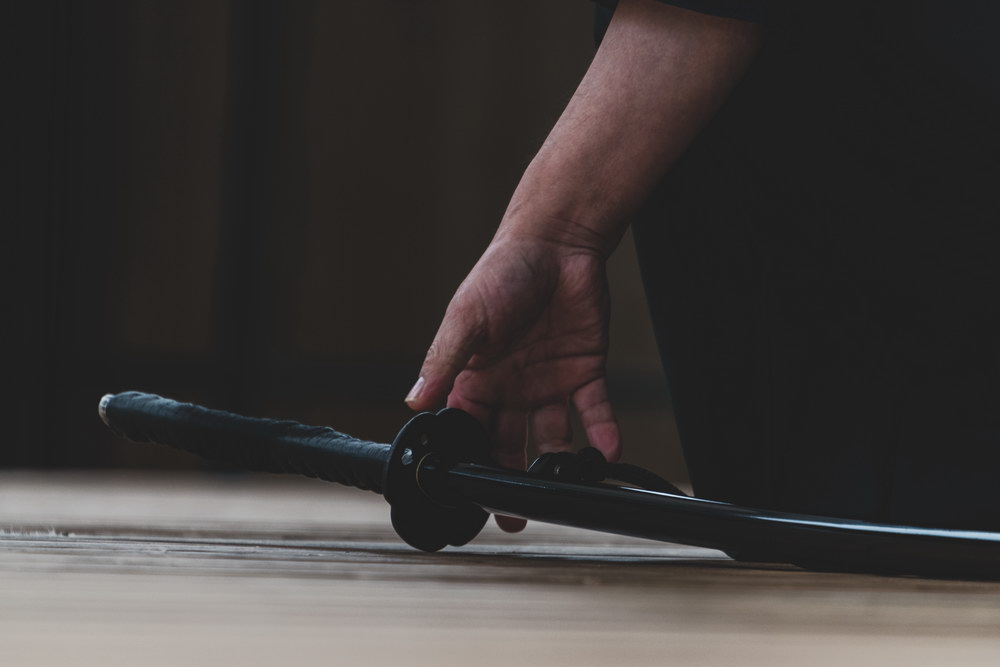
During the 19th century, the term “Bushido”, which is the collection of several unwritten codes of honor became popular in Japan.
It was from 1600 to 1868 during the peaceful years in Japan and during the time of theoretical development for the Samurai class. It was when the development of Bushido was about finalized.
But, it is true to say that the Samurai did follow the unwritten honorable trait of a warrior. Which is bravery and loyalty among other things, sometimes to the point of what will some consider as madness.
This code and the practice of Seppuku (also called Harakiri) became widely known. Seppuku is ritual disembowelment that preserves one’s dignity and restoring one’s honor.
Though the concept was there, the ancient Samurai did not write or discuss “Bushido.”
Nevertheless, as early as the 8th century, the military men of Japan have started writing about the ideal warrior.
The perfect Samurai was brave, well-educated, and loyal. This ideology was popular among Japanese literature. It appeared many times but was not accurately since only a few Samurai used it in their lives. After all, warriors realistically focused on victory and survival.
What Are the Negative Aspects of Bushido?
Out of stock
Historical Samurai Statues
$450
Historical Samurai Statues
$450
Historical Samurai Statues
$1,195
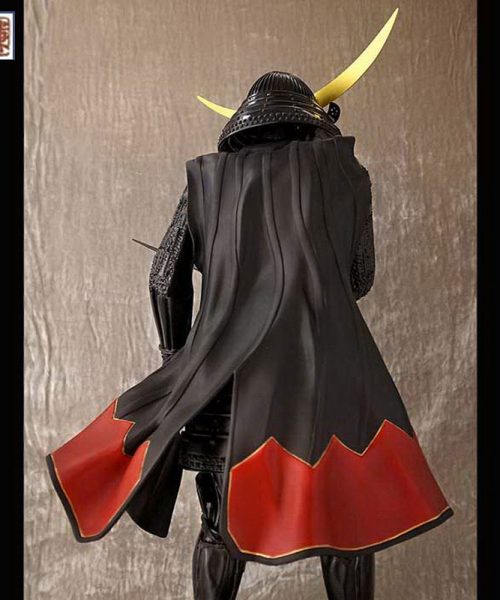
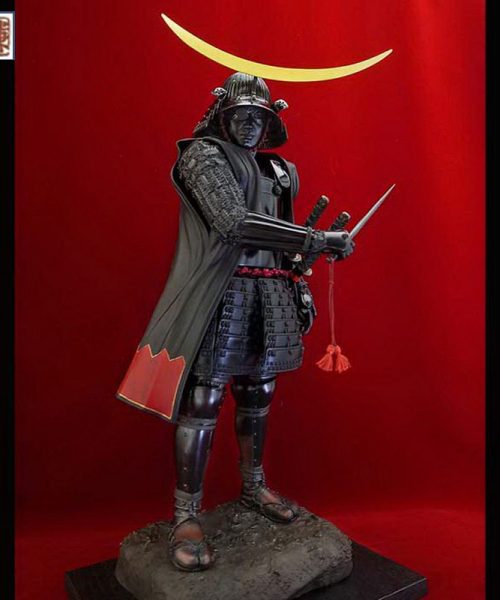
Historical Samurai Statues
$1,980
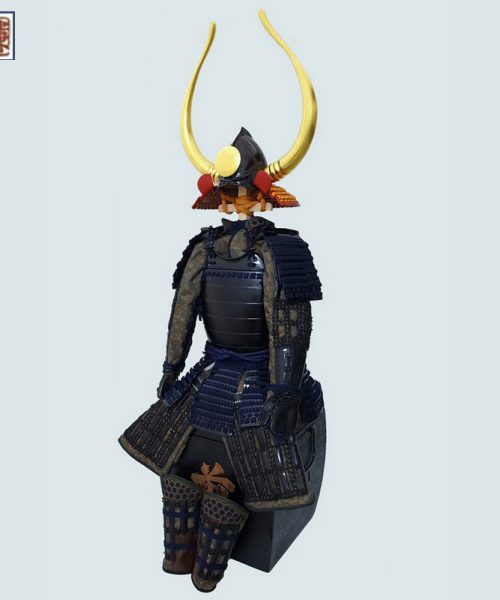
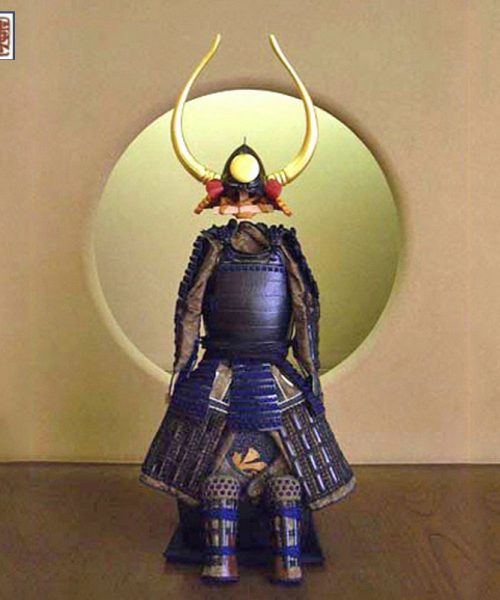
Historical Samurai Statues
$6,800
Historical Samurai Statues
$195
Historical Samurai Statues
$275
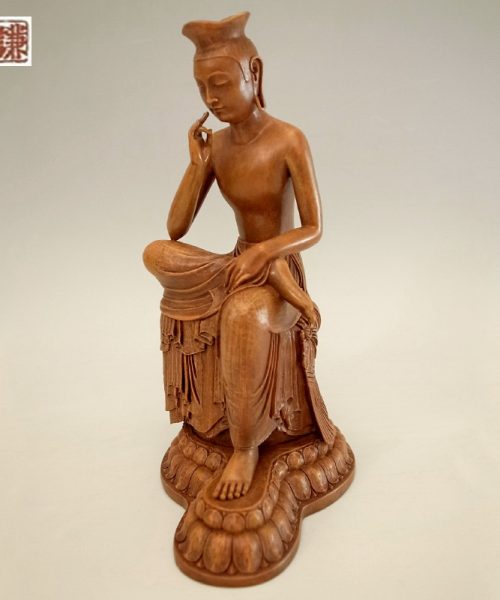
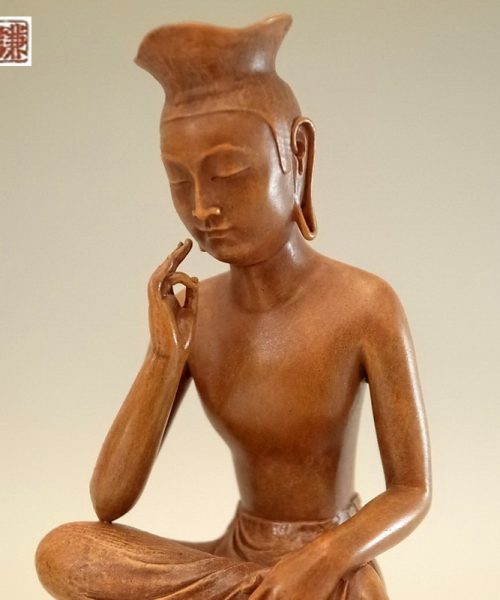
Japanese Buddhism Art
$250
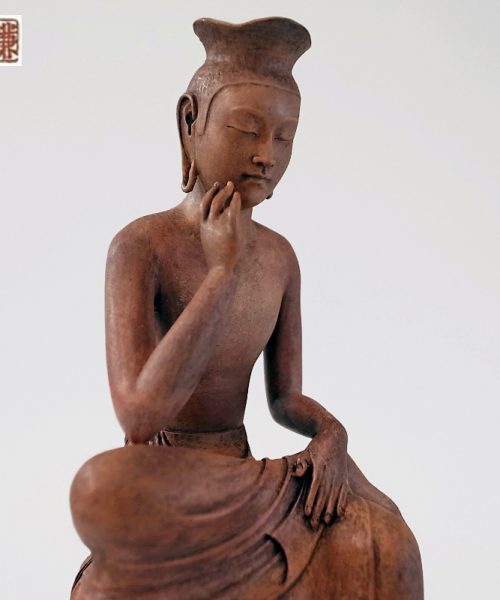
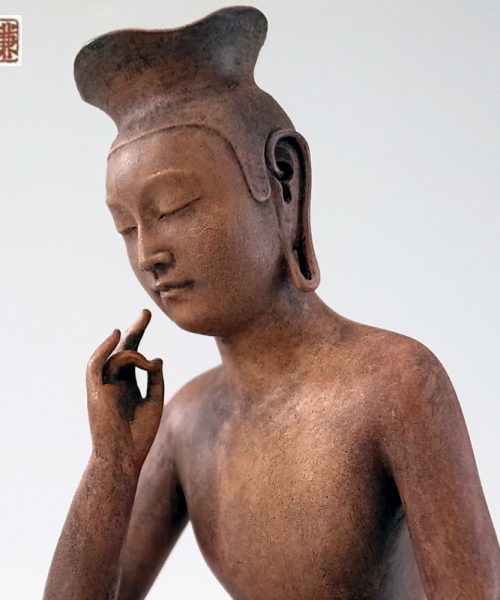
Japanese Buddhism Art
$250
Historical Samurai Statues
$195
Out of stock
Historical Samurai Statues
$3,900
Japanese Buddhism Art
$595
While the idea of Bushido seems notable, there were a lot of cases of reckless courage and blind loyalty.
According to Hagakure, a practical and spiritual guide for a warrior, Bushido means that the philosophy of a warrior is a philosophy of death.
Bushido is a straight path to death. It emphasizes the mindset of the warriors that they must strike first and strike fast. They act firsthand without considering any consequences. It is a straight forward and instinct driven living, to act in absolute spontaneity.
For these warriors to live recklessly by abandoning the fear of death is what made them honorable.
Hagakure critiqued the incident of the 47 Ronin where the armies took years to get their revenge.
Hagakure states that it was not the way of life of a warrior for they should have striked fast despite the risk of dying.
Obedience and absolute loyalty are so fiercely rooted. From the moment of fury until the ending of revenge any possible hurdle would only be an obstacle.
Somehow, the concept of sacrificial death appeals to the Samurai. Even normal citizens are fascinated into thinking that it is the ultimate honor.
Nitobe Inazo: The Start of Romanticism
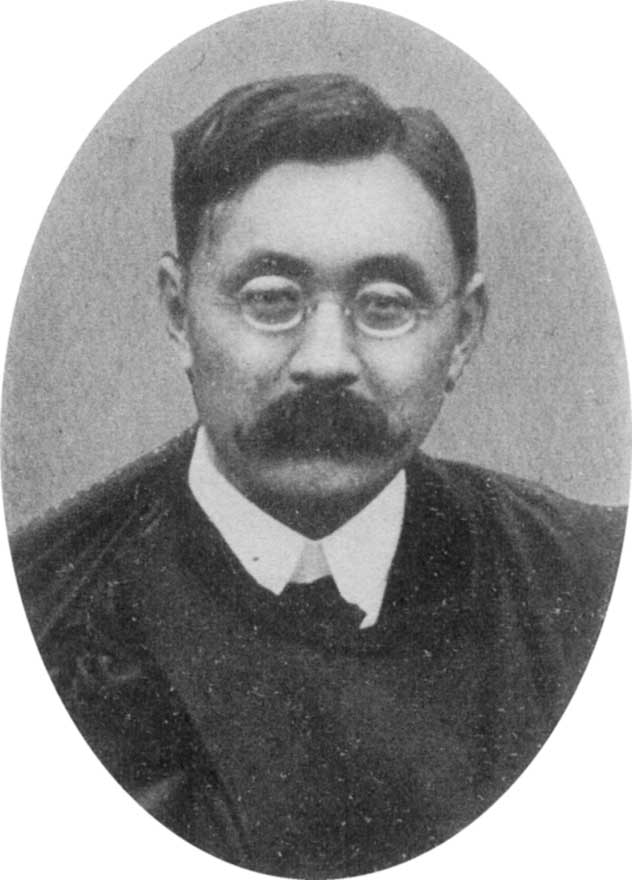
In 1899, a man named Nitobe Inazo wrote the book entitled Bushido: The Soul of Japan. It became one of the firsts to pen the term “Bushido” as the Samurai warrior’s way of life.
He wrote that Bushido is the code of moral principles that a Samurai must observe and follow. It was an organic growth of decades and centuries of a military career.
He mentioned that to become a Samurai, the armies must have knowledge first on what is Bushido all about.
When Nitobe translated his book into Japanese, it received many criticisms. The scholars and government had a different interpretation of the concept.
Many believed that Nitobe resisted the translation of his book in fear of what the readers may think. The people attacked his work due to inaccuracies.
The Japanese Samurai Swordsmanship Skills
10 Best Ninja and Samurai Tourist Spots in Japan
Top 3 Best Samurai Films to Watch
Another reason why a lot of people disapprove Nitobe’s book was the fact that he glorified the Samurai class while commoners condemn them.
Due to the Samurai’s abuse of power, the lower class held no interest in celebrating the former ruling class.
Many people accused that Nitobe was in no position to write about Bushido. They questioned his expertise in Japan history and culture due to his life history.
Who was the famous author of the Bushido: The Soul of Japan?
Nitobe Inazo was born in 1862 and he was a baby when the final remnants of the Samurai came to an end. In his childhood, he studied the English language, which was an unusual subject of study at the time.
In 1877, Nitobe made his way to Hokkaido and enrolled in an agricultural college. Entering the Sapporo Agricultural College made his faith in Christianity stronger.
Japan’s northernmost island, Sapporo, was only just becoming a part of the mainland but was still on the remote island. This led to Nitobe’s estrangement from Japan’s culture and society.
Critics believed that his lack of “common knowledge” led him to write and romanticize the savage way of Japan warriors during the warring era.
Nitobe, later on, admitted that he wrote the book for the Western audience. He never intended for the Japanese readers to read Bushido: The Soul of Japan. It was in California that Nitobe penned the book.
The book aims to reshape the views and opinions of westerners in Japan and paint a noble image about them. On the other hand, the Meiji government began to empower the presence of Japan worldwide.
What were the criticisms of his book?
V Neck Samurai T-Shirts
$32
Sale!

Clothing
Original price was: $38.$28Current price is: $28.
$32
Sale!

Clothing
Original price was: $38.$28Current price is: $28.
Clothing
$32
Sale!
Original price was: $38.$28Current price is: $28.

$32
Sale!
Original price was: $38.$28Current price is: $28.
Sale!

Clothing
Original price was: $38.$28Current price is: $28.

$32

$32
$32
The critics said that the writer expressed empathy for the other culture rather than its own.
They expressed that one is more conscious of what one wants to say. And what one wants to avoid saying, for the work or be more acceptable for the intended readers.
Nitobe used Western practice to tame the Samurai image and justify the act of Seppuku.
He glorified suicide as a holy act. Nitobe wrote that the highest estimate placed upon honor was enough of an excuse with many for taking their own life.
Nitobe’s attempt to raise Japan’s status in the eyes of Westerners bore fruit as the idea of Bushido became attractive to them.
The Mark of Historical Castles in Japan Today
Honda Tadakatsu: The Bravest General of Tokugawa
The Five Most Celebrated and Influential Foreign Samurai in Japan’s history
Without any way to counter check the information, it became a fact and became the model to follow by different groups and boy scouts.
Despite the criticisms, Bushido became the mainstream of the Japanese government. They found another way to use the former ruling class.
Japan found its soldiers lacking in spirit. And the Bushido’s image of an honorable Samurai fighting to the death boosted the military’s confidence.
Nitobe’s book said that the warrior spirit was inside in the Japanese soul and even the lowliest citizen can meet the glory and honor of a Samurai.
Although unintended, Nitobe has even influenced the modern era’s thought on Bushido. It quickly became the moral standard to both military and normal citizens.