
No products in the cart.

Japan History
Three Major Samurai Ranks in the Twelfth Century
15
Jul
Jul
Samurai Ranks
There are different Samurai ranks in Japan in the twelfth century. The Samurai warriors were like the European knights. They served their lords with honor and utmost loyalty, ready to give their lives in service of them.
Yet as Japan developed and the peace has been established, the Samurai and their skills were all left behind. But despite this, the spirit of this warrior still lives on in the Japanese culture and their way of living.
They were fierce and dangerous on the battlefield but were also educated men. These Samurai were proficient in the art of war and artistic skills; plus, they also had a few privileges. The Samurai could wear two swords – a long and short one which was a Daisho pair.
For commoners, it was illegal to carry any weapons. But the Samurai even had the right to behead anyone who offended them. This occurred at one point in history.
The Japanese Samurai warriors had different ranks with varying levels of privileges. They had a standard ranking system that completed a distinguished ranking.
Who were the Samurai of the 12th Century?

The very first army of the Japanese was largely made up of slaves forced to serve at that time. The system that had peasants serve the military was completely abolished in the year 792 AD. Right after, the government tried building military units but failed. But due to civil unrest, the nobles needed to hire efficient soldiers for protection.
Also, the provincial government fell under the control of the highest bidder. These were self-made aristocrats who utilized their private army. They worked to enforce laws and collect taxes from the people there. When unresolved differences were present, private armies met in battles at times.
Rise to the Top
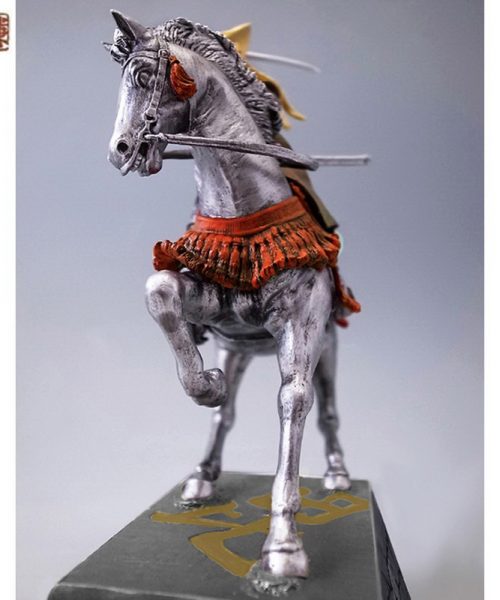
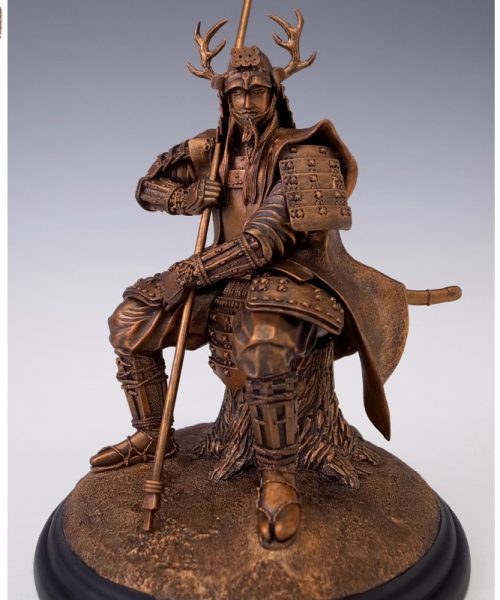
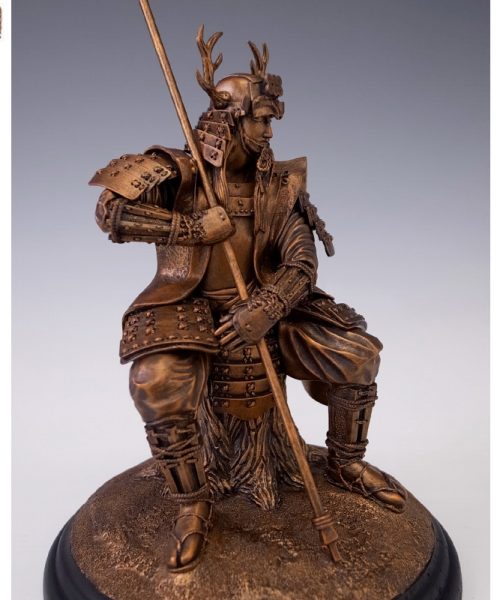
Out of stock
Out of stock
Out of stock
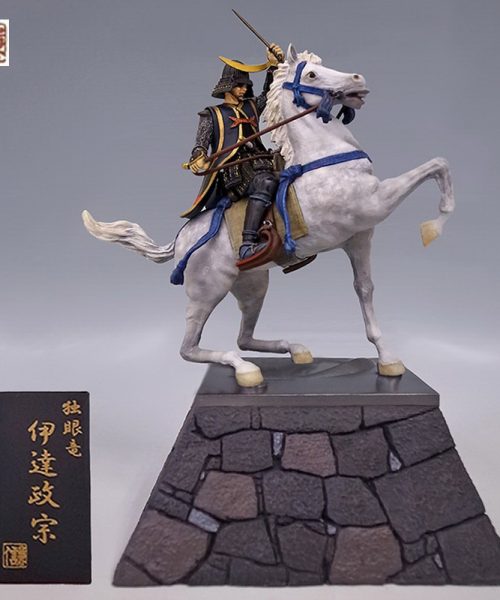
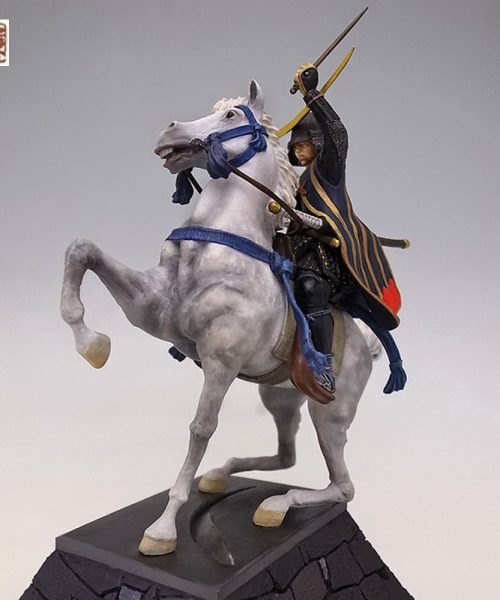
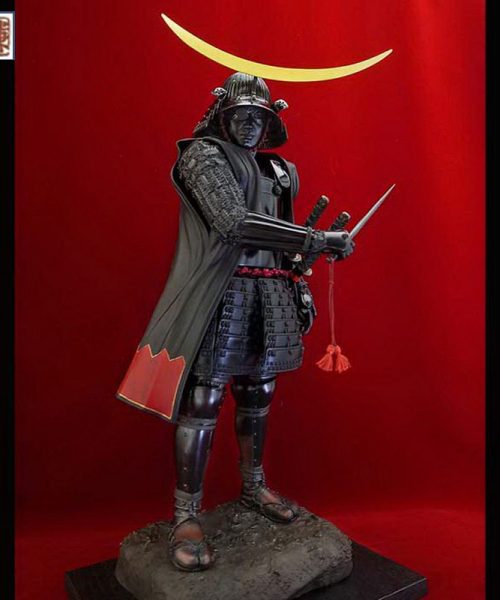
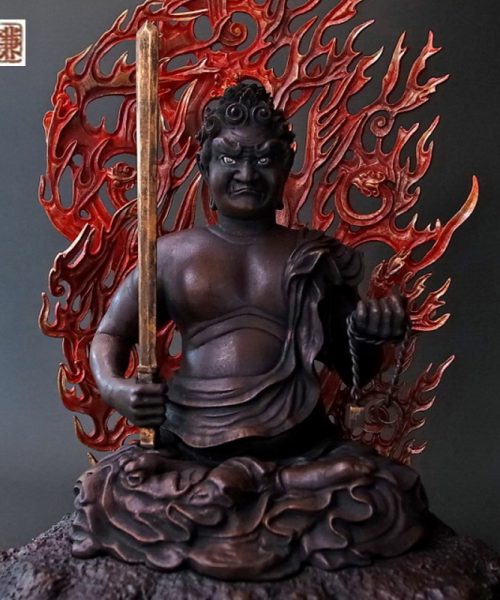
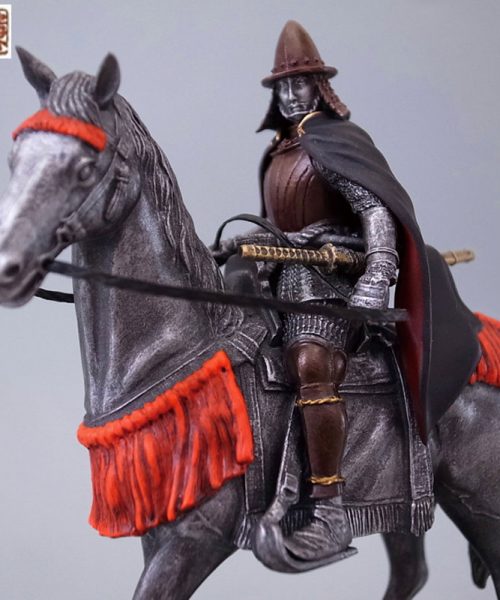
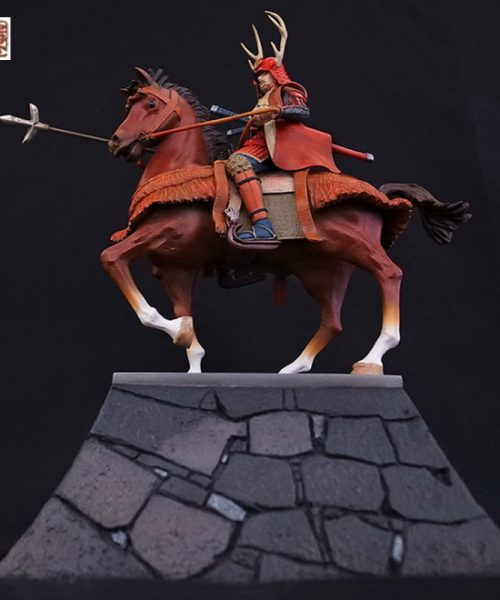
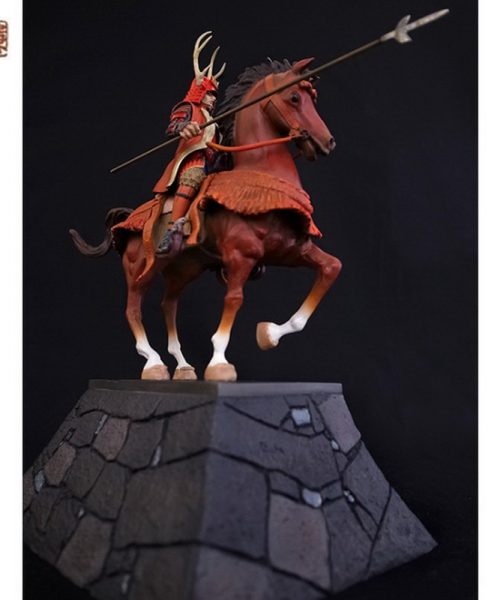
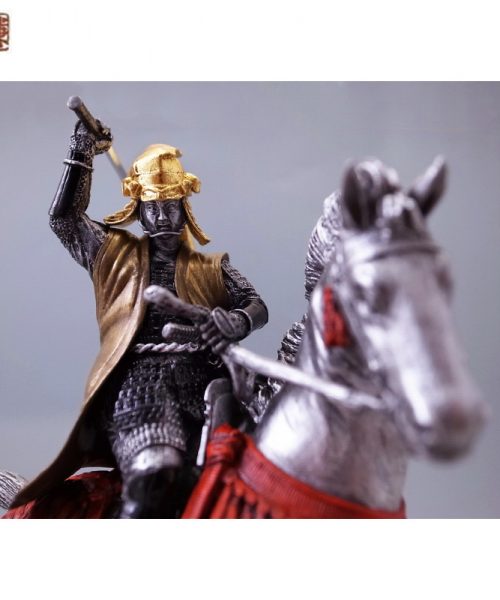
Historical Samurai Statues
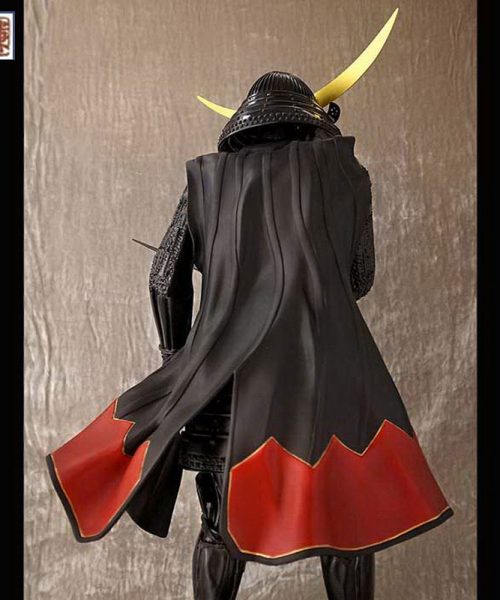
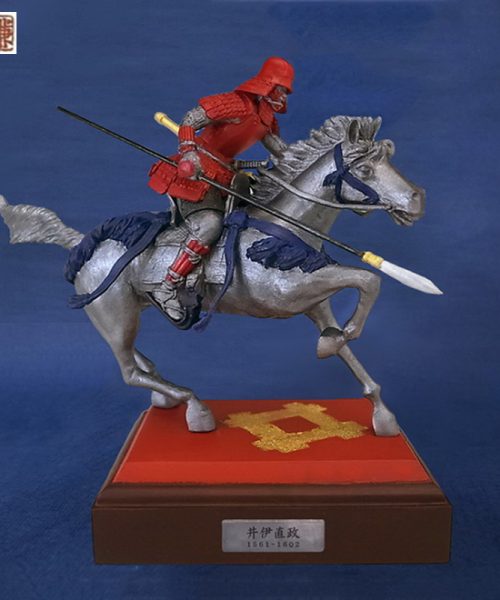
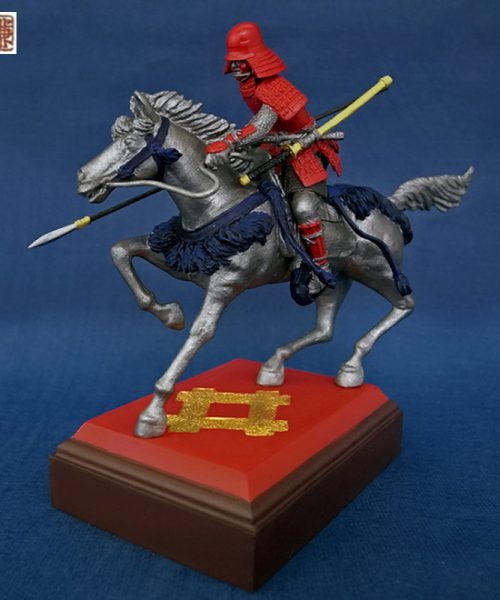
Date Masamune Riding a Horse Statue (450 Years Birth anniversary Edition)
$450
The Samurai warrior’s ascent to the top of society was a slow process. It was due to the boost of provincial power in the Heian period did the Samurai receive political power. It was also the reason that allowed these warriors to change the government system.
In the year 935 AD, an army led by Taira Masakado conquered eight provinces in the Kanto region. Shortly, he declared himself as the emperor, claiming to be Emperor Kammu’s direct descendant. Today, professionals refer to Taira Masakado as the first Samurai and the national hero.
In the 12th century, aristocrats of the government hired skilled Samurai for protection. They didn’t have an interest in administering their landholdings. They often left the day-to-day defense and management of the lands to the Samurai.
Top Historical Castles in Japan
Japan’s Most Famous Shinobi
Legendary Date Masamune
In return, these warriors maintained peace and enforced laws for the land. It only took a while before these warriors turned invaluable. Over time, the aristocratic government crumbled, and as it did, the Samurai rose to the top of society.
With that, these warriors dominated the country’s military and political affairs from 1183 to 1868. Here are the primary Samurai ranks of the 12th’ century Japan.
Who was the Daimyo in Feudal Japan?
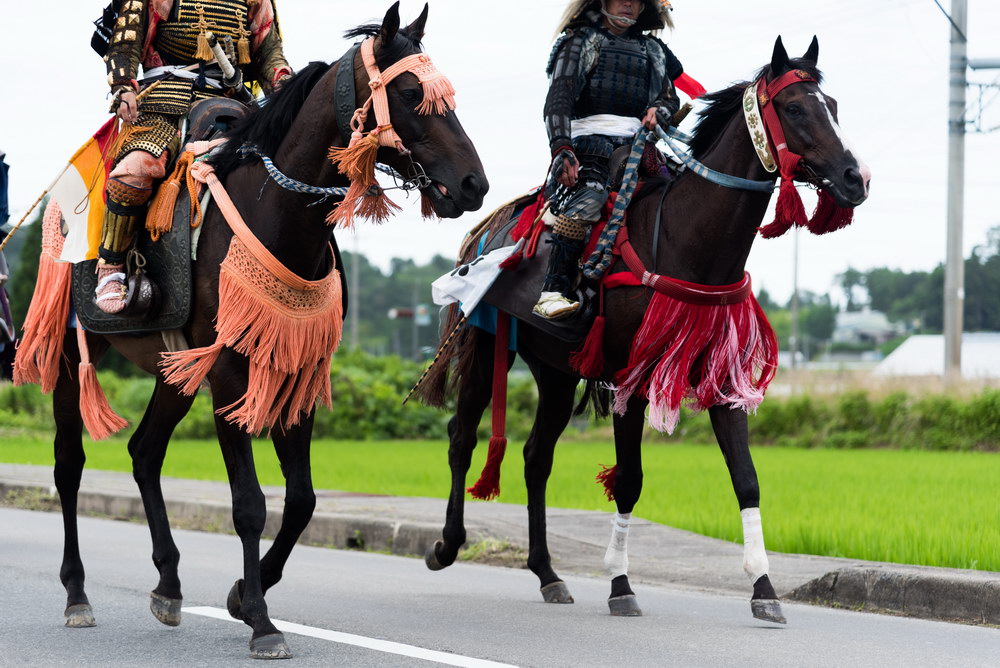
Daimyo were powerful feudal lords who ruled the country via their land holdings. Dai means big while Myo is Myoden which means private land; hence, the name Daimyo. They were subordinates to the Shogun and sometimes the Emperor & Kuge (court nobility).
The Daimyo were powerful leaders who ruled from the 10th century to the mid-19th century in Japan. From the Shugo to the Sengoku period, the Samurai warrior’s ranks had a rich and diverse history.
The backgrounds of these people also varied. Some other Daimyo clans like the Mori and Hosokawa were of the Imperial family. It was also possible that they descended from the Kuge. Other Daimyo experienced promotions from their Samurai ranks, specifically during the Edo.
From the start of the Middle Ages, the link between vassals and lords appeared like an ancestral bond. Both sides were able to inherit the duties and rights of the previous generations. They also spoke and thought of their relationship in terms of kinship. This is why they utilized the term Gokenin (vassal).
The social class evolved and grew during the Kamakura shogunate. It was all based on the contractual, personal, and military link between Shogun and Gokenin.
What were the Gokenin or Hatamoto?
Samurai Hoodies
Sale!
Original price was: $69.$58Current price is: $58.
This product has multiple variants. The options may be chosen on the product page Sale!
Original price was: $69.$58Current price is: $58.
This product has multiple variants. The options may be chosen on the product page Sale!

Original price was: $69.$58Current price is: $58.
This product has multiple variants. The options may be chosen on the product page Sale!

Original price was: $69.$58Current price is: $58.
This product has multiple variants. The options may be chosen on the product page 
Sale!

Original price was: $69.$58Current price is: $58.
This product has multiple variants. The options may be chosen on the product page Sale!

Original price was: $69.$58Current price is: $58.
This product has multiple variants. The options may be chosen on the product page Sale!
Original price was: $69.$58Current price is: $58.
This product has multiple variants. The options may be chosen on the product page 
Clothing
Clothing
Direct Shogun retainers received stipends of 10,000 Koku, then called the Gokenin. It means housemen and they functioned as vassals or administrators of the Shogunate. This occurred during the Muromachi and Kamakura periods.
In exchange for safety and the right to become Jito (manor lord) or Shugo (governor), the Gokenin protected the Imperial Court. They also protected Kamakura during instances of wars under the Shogun’s flag.
This class soon lost its significance in the Muromachi period. Soon, the Daimyo supplanted them. In the Edo period, this term was finally directed to the vassals of the Shogun who was below the Omemie. This meant that they didn’t have the right to have an audience with the Shogun.
After the fall of Kamakura, the Daimyo was Jito or Shugo of the Gokenin. Thing is, most of them were new people who supplanted their higher-ups. Opposing the Ashikaga required smooth succession and central power. So with that, inheritance wasn’t shared further and was instead, passed on to one heir. This heir was usually not related by blood, but a promising adopted individual to become an heir.
Who were the Ashigaru?
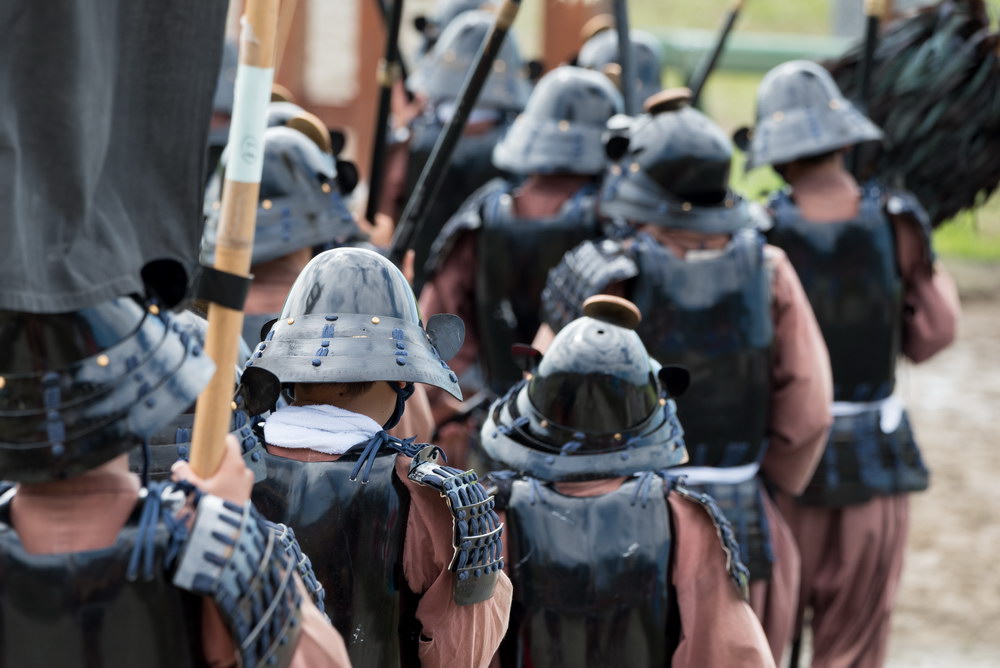
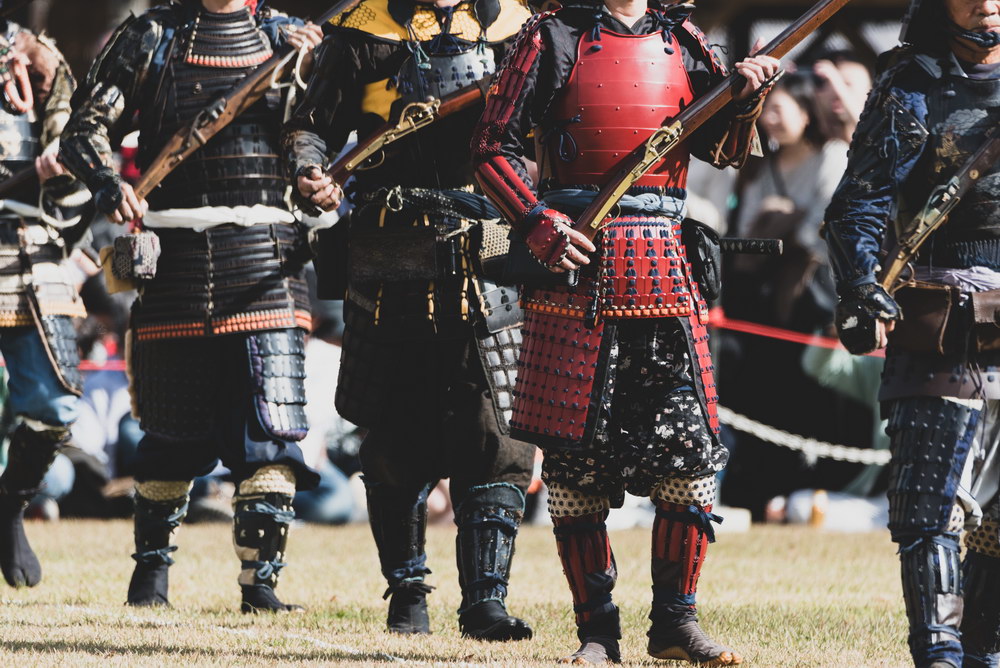
The Ashigaru were the foot soldiers who used to be peasants. The Samurai armies recruited them to increase the number of their troops. This was the time when they only received loot as payment for their service.
During various conflicts like the Mongol Invasions of Japan, the Samurai hired peasant foot soldiers. However, they were not well-trained. Samurai armies did not always depend on them on the battlefield. The constant warfare caused the Samurai to recruit soldiers with no loyalty.
Eventually, the Samurai noticed their skill in using spears and arquebuses. Their skill in using various weapons made the Samurai realize the worth of the peasants. With that, they trained them and made them the Ashigaru. They also became an essential part of every Samurai army.
The common weapons that the Ashigaru used included the Yumi, Yari, and the Naginata. As for their armor, these vary depending on the period. They began with no armor but later, they wore heavy armor.
The heavy armor of the Ashigaru included the Jingasa or conical hats that were made of iron or hardened leather. Other head equipment included the Kabuto or helmet, Tatami Zukin or armored hoods. Their body armor was Do or cuirass, Kote or armored sleeves, Suneate or greaves, and Haidate or cuisses.
So there you have it, the Samurai ranks in the twelfth century!